Best overall dog food
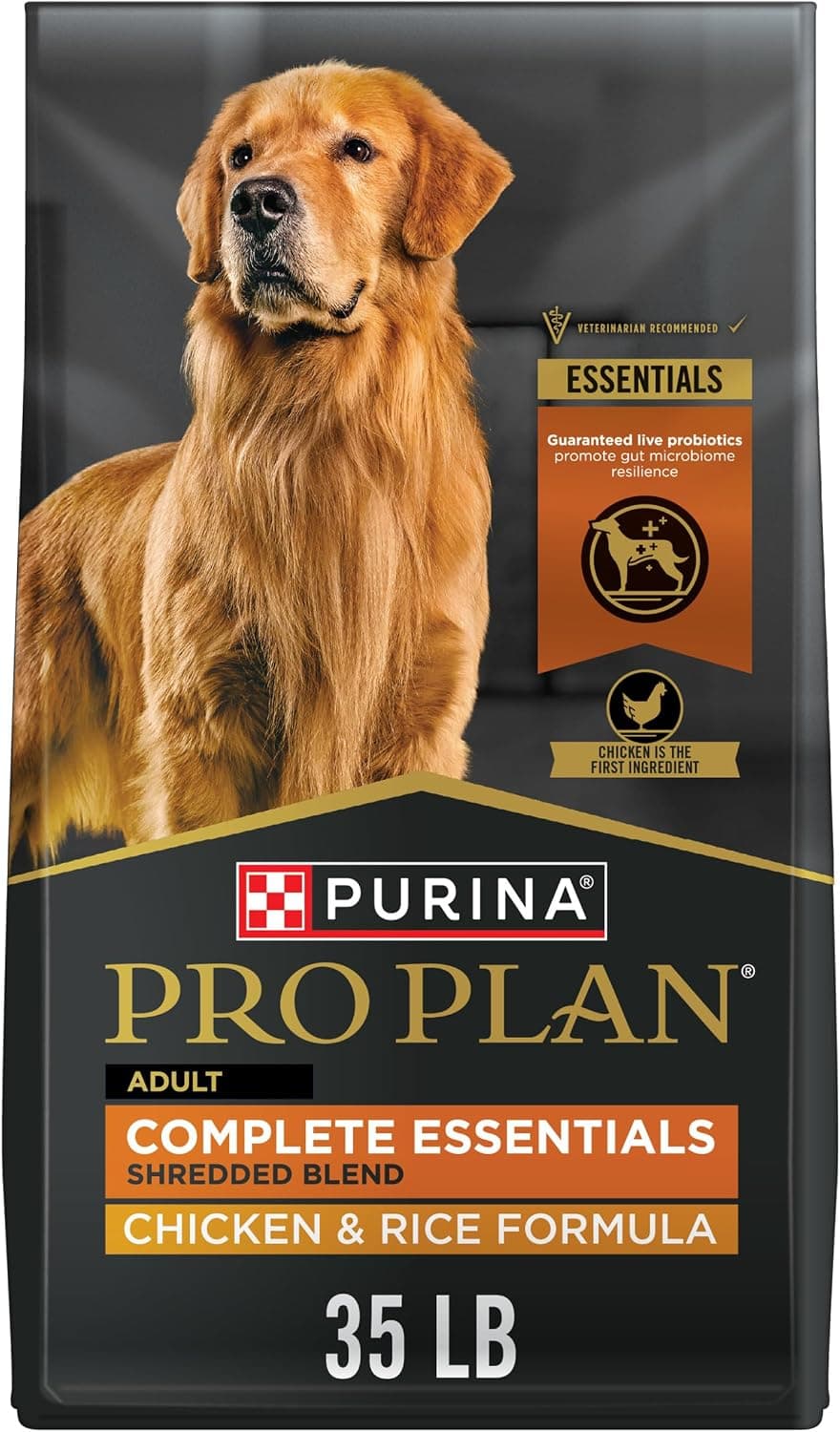
Purina Pro Plan
Purina Pro Plan Adult Chicken & Rice Dry Dog Food
4.8
🏆 Best Overall Dog Food
Tradeoff: By-product meal in the ingredient list — nutritionally sound, but it puts some owners off.
Nothing here replaces a veterinarian. The most useful thing an owner can build is a sense of their own dog's normal — normal appetite, energy, stool, and breathing at rest — because deviations from that baseline are the real signal. Some things are same-day emergencies rather than wait-and-see, and those are listed first.
20 guides on health, grouped by what you're trying to work out.
What cannot wait until morning, what can wait until Monday, and how to tell the difference at 2am.
Vaccines, parasite prevention, weight management, and the checkups that catch things early.
Itching, ear infections, upset stomachs, limping, lumps — what they usually are and when they are not.
Brushing that actually happens, what dental chews do and do not do, and what a professional cleaning involves.
What routine and emergency care costs, how pet insurance works, and whether it makes sense for you.
Researched picks from the categories this section covers.
Best overall dog food
Purina Pro Plan
🏆 Best Overall Dog Food
Tradeoff: By-product meal in the ingredient list — nutritionally sound, but it puts some owners off.
Best for sensitive stomachs
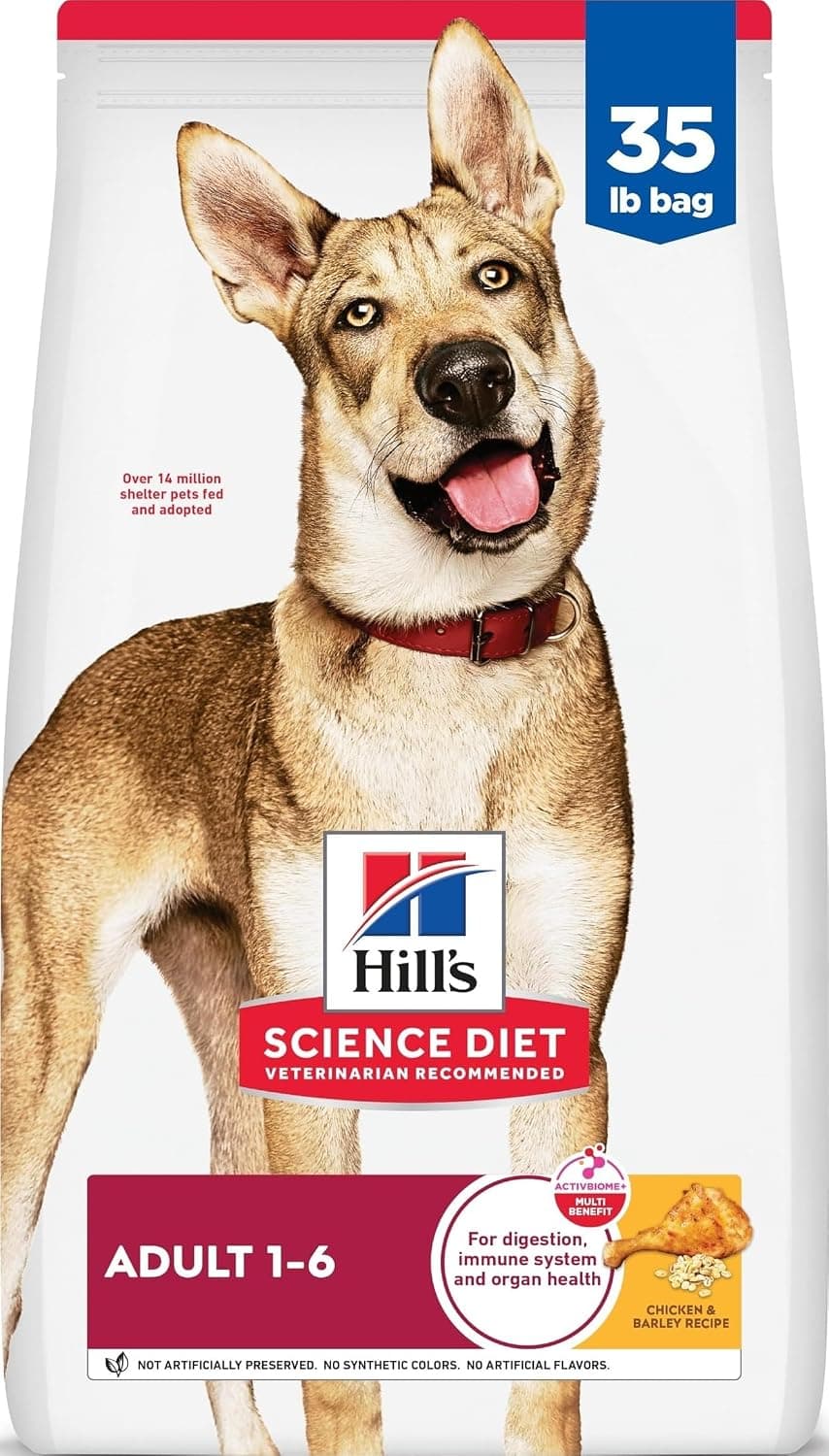
Hill's Science Diet
🌿 Best for Sensitive Stomachs
Tradeoff: Costs more per pound than Pro Plan for similar manufacturer standards.
Best for daily brushing
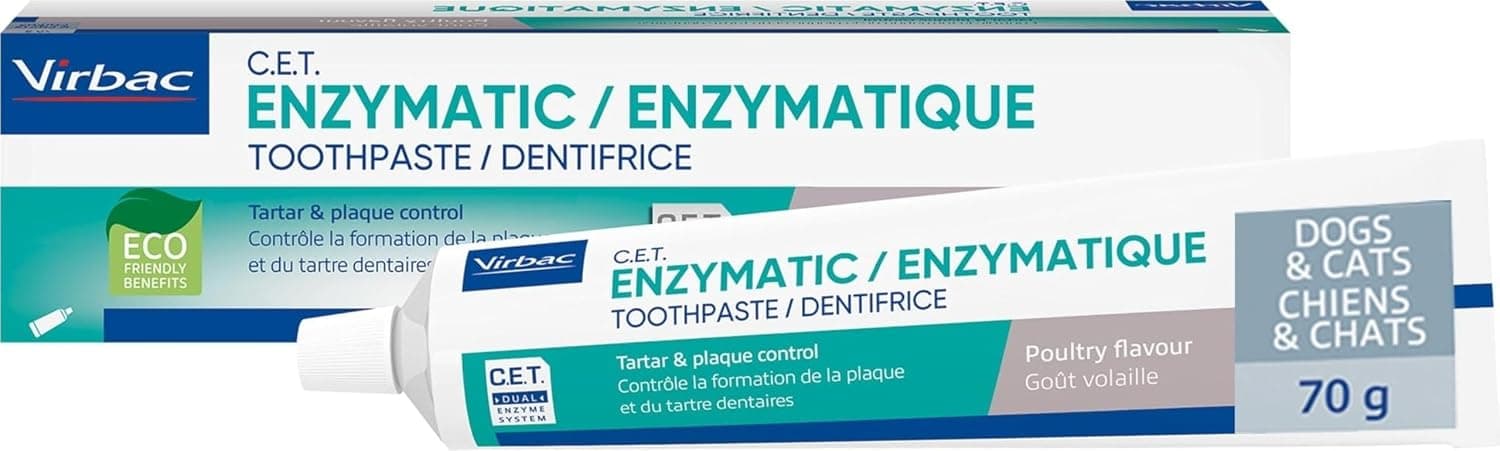
Virbac
🪥 Best for Daily Brushing
Tradeoff: The best toothpaste here, and only useful if you can get a brush in the mouth.
Best high-protein dog food
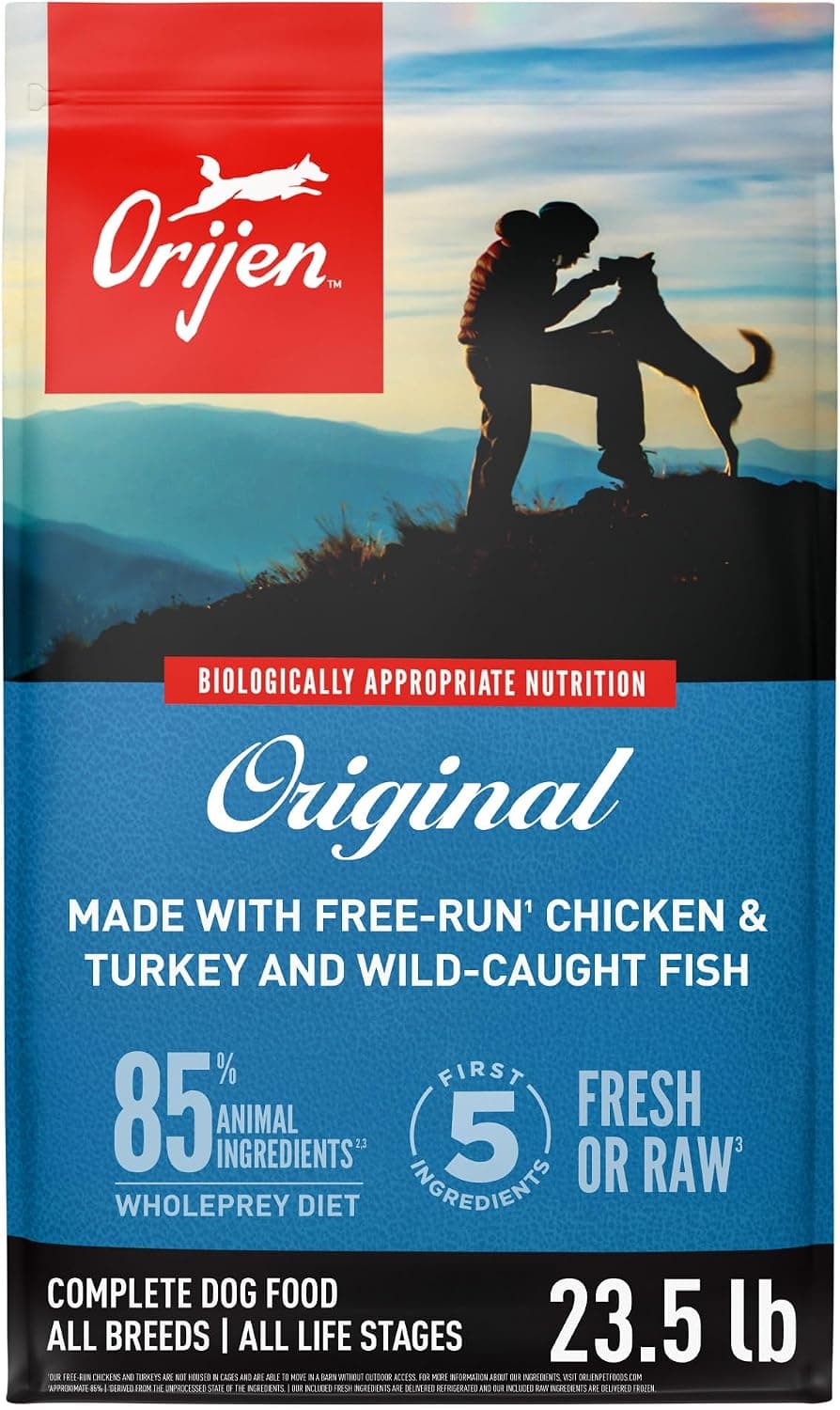
ORIJEN
💪 Best High-Protein Dog Food
Tradeoff: The richest food here — the price and the transition period both bite.
Best ethically sourced ingredients
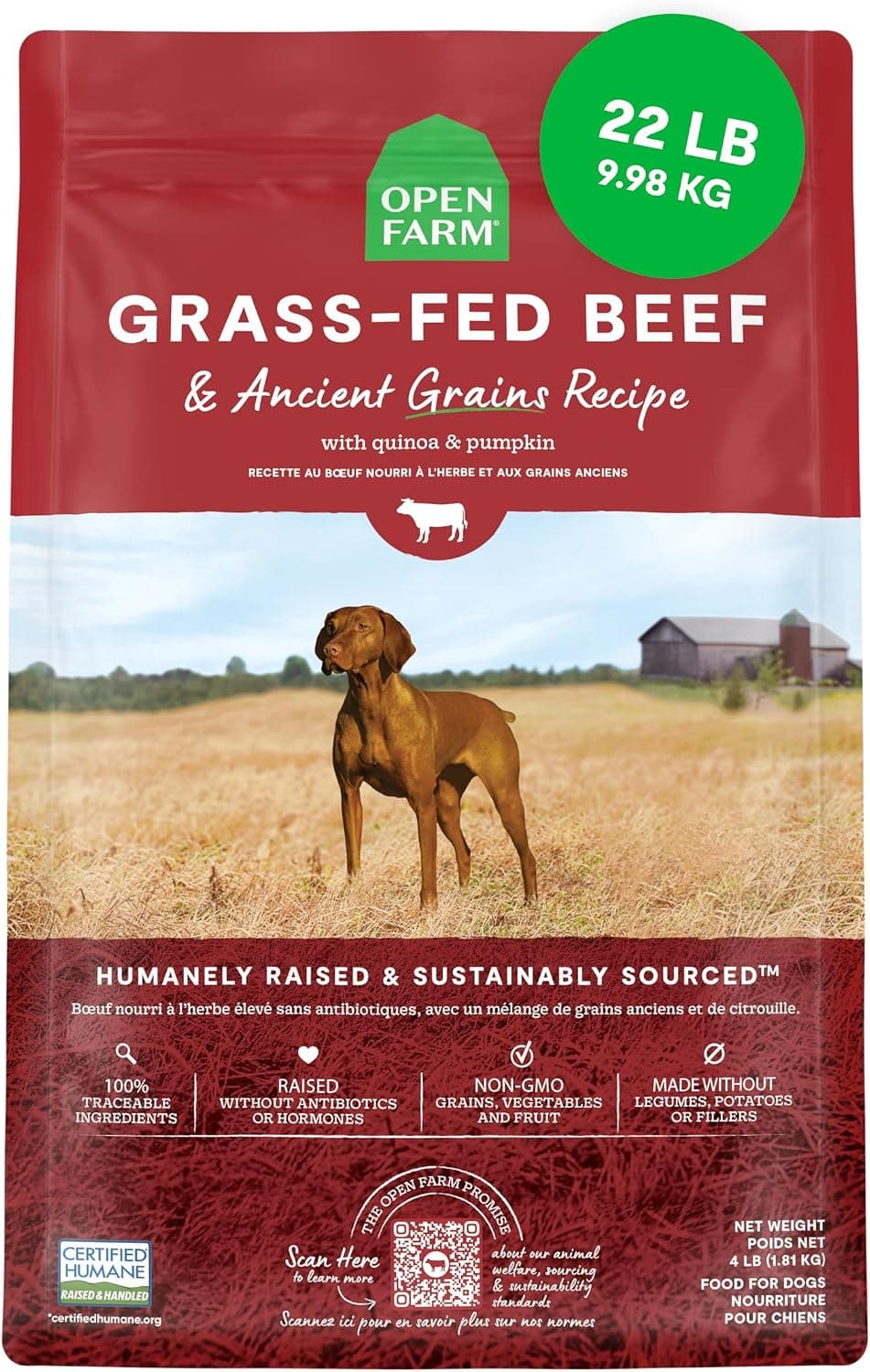
Open Farm
🌍 Best Ethically Sourced Ingredients
Tradeoff: You are paying for verified sourcing, and it is the priciest bag on this page.
Best for medium breeds
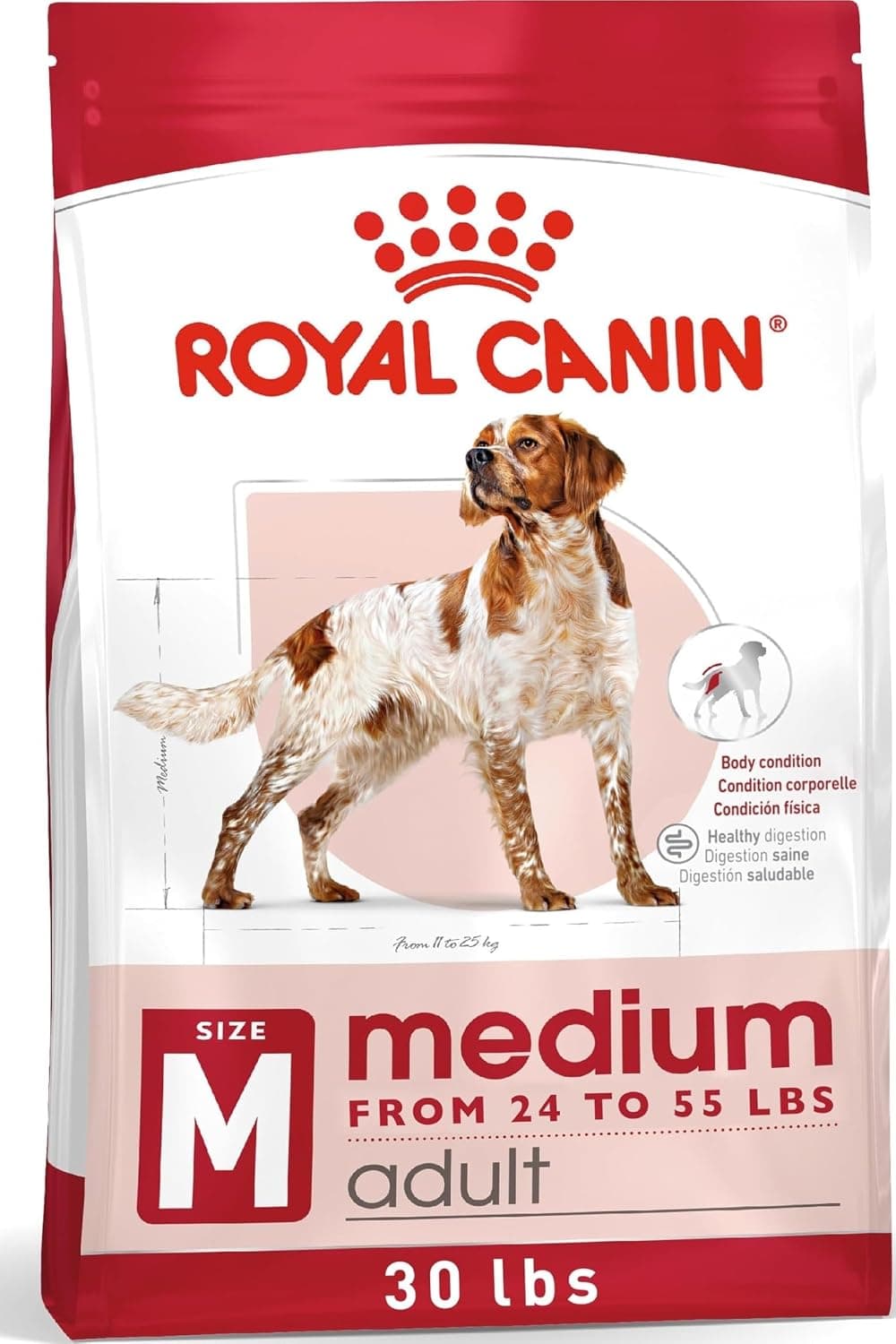
Royal Canin
📏 Best for Medium Breeds
Tradeoff: You pay a premium for size-specific formulation, not for a premium ingredient panel.
Everyday health know-how and when to call the vet — plus the gear and coverage that make health events survivable financially. Nothing here replaces a veterinarian, and the most useful thing an owner can build is a sense of their own dog's normal: normal appetite, normal energy, normal stool, normal breathing at rest. Deviations from that baseline are the real signal. Some things are same-day emergencies rather than wait-and-see — a distended, drum-tight abdomen with unproductive retching, difficulty breathing, collapse, seizures, suspected poisoning, bloody diarrhea with lethargy, straining to urinate without producing anything, or a wound you cannot stop bleeding. Preventive care is unglamorous and does the heavy lifting: parasite prevention on schedule, dental care before it becomes extractions, weight kept in check, and vaccination appropriate to where you live and what your dog does. The financial side deserves the same planning as the medical one, because the cost of an emergency is decided long before the emergency.
Go immediately for difficulty breathing, collapse, seizures, a distended abdomen with unproductive retching, suspected poisoning, straining to urinate without producing urine, uncontrolled bleeding, or suspected heatstroke. When you are unsure, phone the clinic and describe what you are seeing — triage over the phone is free and it is what they are there for.
Once a year for most healthy adult dogs, and twice a year for seniors, where the point of the second visit is bloodwork that catches gradual kidney, liver, and thyroid changes while they are still manageable. Puppies need a series of visits in the first months on a schedule your vet sets.
It depends less on the breed than on your own cash position: insurance converts a possible four-figure emergency into a predictable monthly cost. If an unexpected large bill would be a genuine crisis, it is worth pricing. Enroll while the dog is young and healthy — every policy excludes pre-existing conditions, so waiting removes the cover you would most want.
Fleas first, always, even on a dog that is supposedly protected and even indoors. After that the usual causes are environmental allergies, food sensitivity, dry skin, and mites. Scratching that has broken the skin, or that centres on the ears or one spot, is a vet visit rather than a shopping decision.