Best for daily brushing
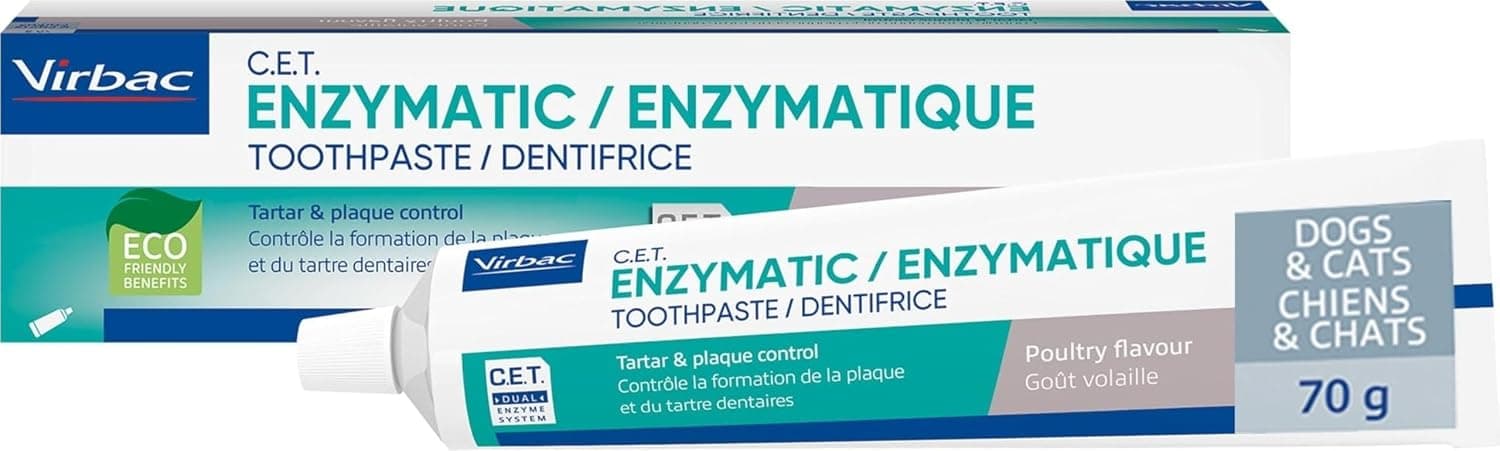
Virbac
Virbac C.E.T. Enzymatic Toothpaste, Poultry (2.5 oz)
4.7
🪥 Best for Daily Brushing
Tradeoff: The best toothpaste here, and only useful if you can get a brush in the mouth.
Coat type decides everything in grooming: the right brush for a double coat is the wrong one for a curly coat, and the tool that strips an undercoat will wreck a wool one. Work out which coat you have first, then buy one brush and one comb rather than a drawer of them.
🪥 Best for Daily Brushing
Tradeoff: The best toothpaste here, and only useful if you can get a brush in the mouth.
🌬️ Best for Odor Control
Tradeoff: Great on ordinary dog smell; a persistent odor is a vet question, not a shampoo one.
Best for daily brushing
Virbac
🪥 Best for Daily Brushing
Tradeoff: The best toothpaste here, and only useful if you can get a brush in the mouth.
Best for sensitive skin
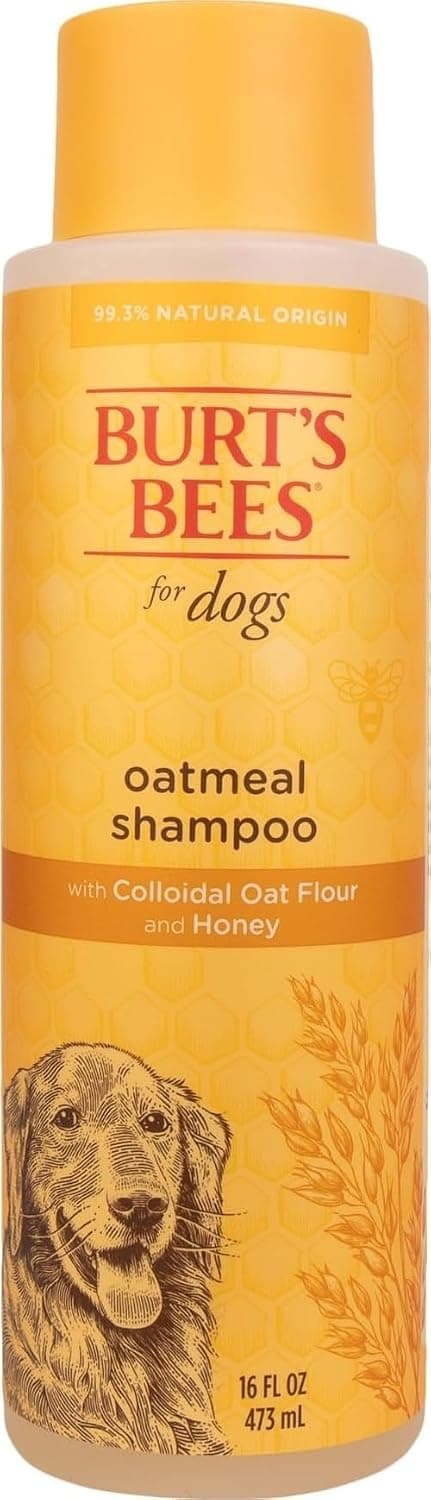
Burt's Bees
🌾 Best for Sensitive Skin
Tradeoff: Soothes irritation; persistent itching still needs a vet to find the cause.
Best for ear care
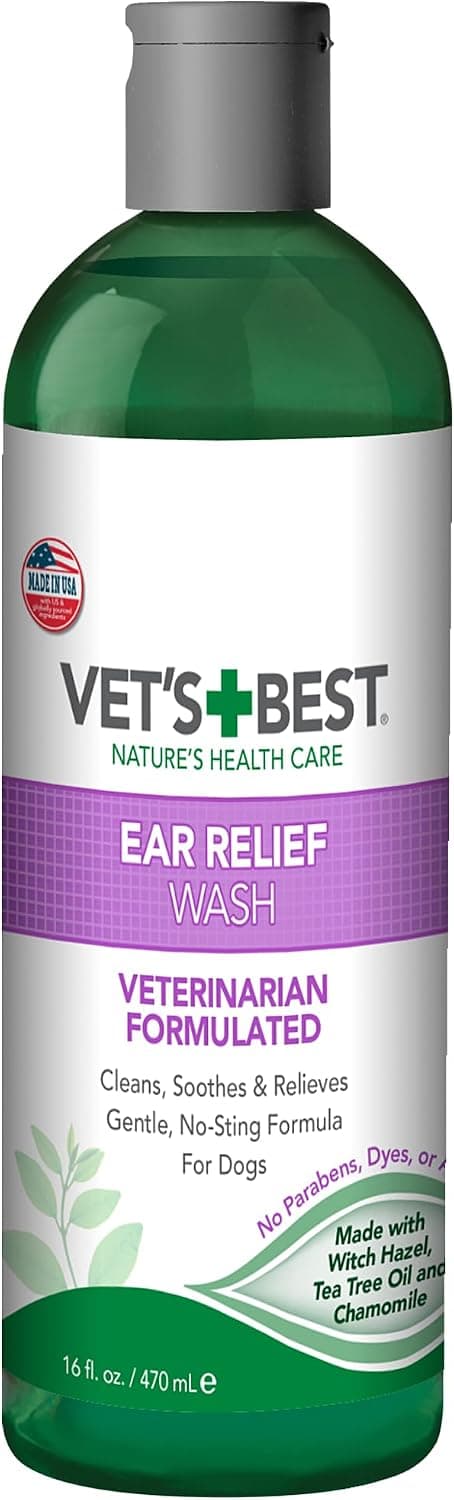
Vet's Best
👂 Best for Ear Care
Tradeoff: For routine maintenance only — an actual ear infection needs a vet, not a cleaner.
Best for shedding control
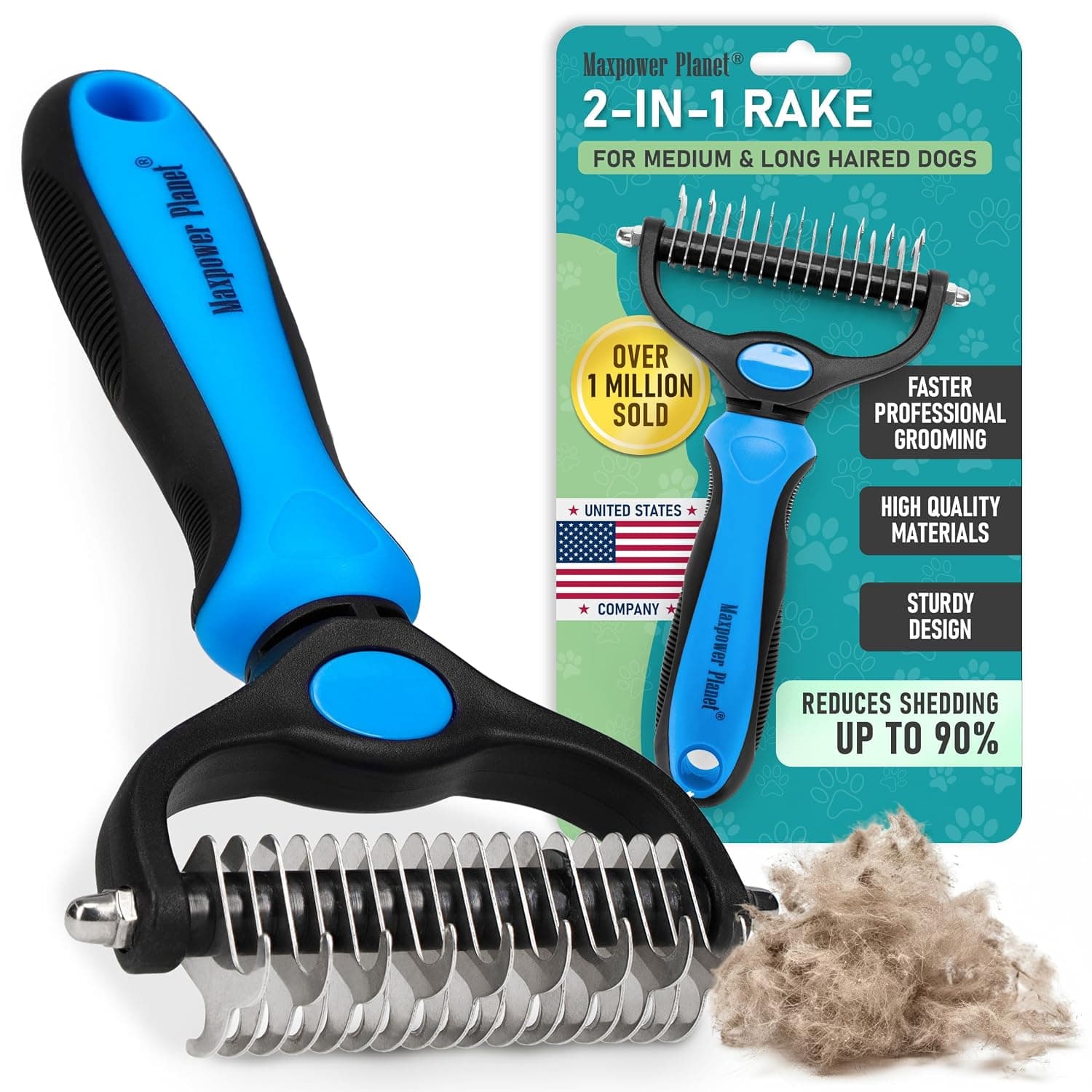
Maxpower Planet
🪶 Best for Shedding Control
Tradeoff: Built for double coats — the wrong tool, and too harsh, for a thin single coat.
Best for nail trimming
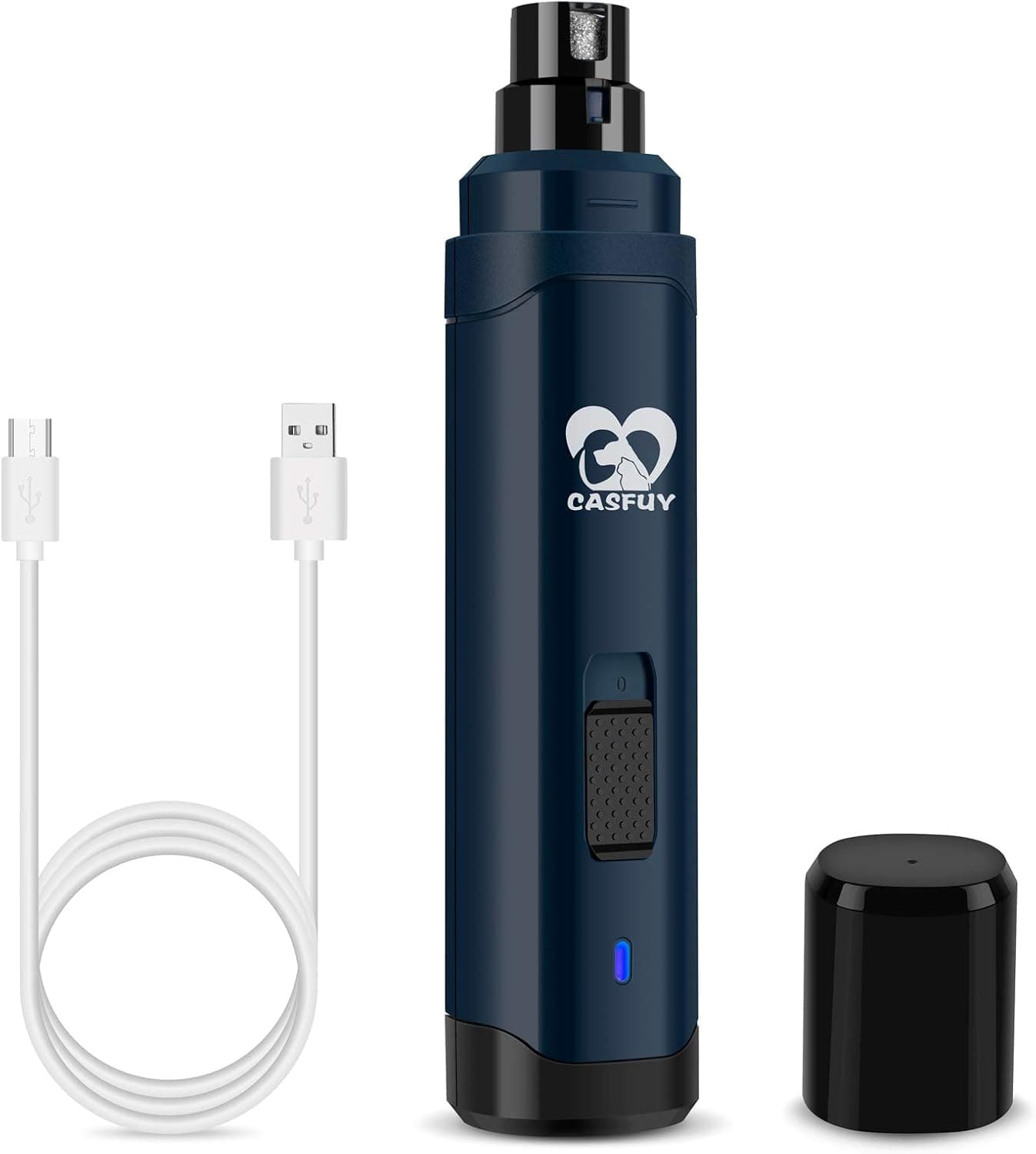
Casfuy
💅 Best for Nail Trimming
Tradeoff: Far safer than clippers, and far slower — budget real time for a large dog.
Best nail clippers
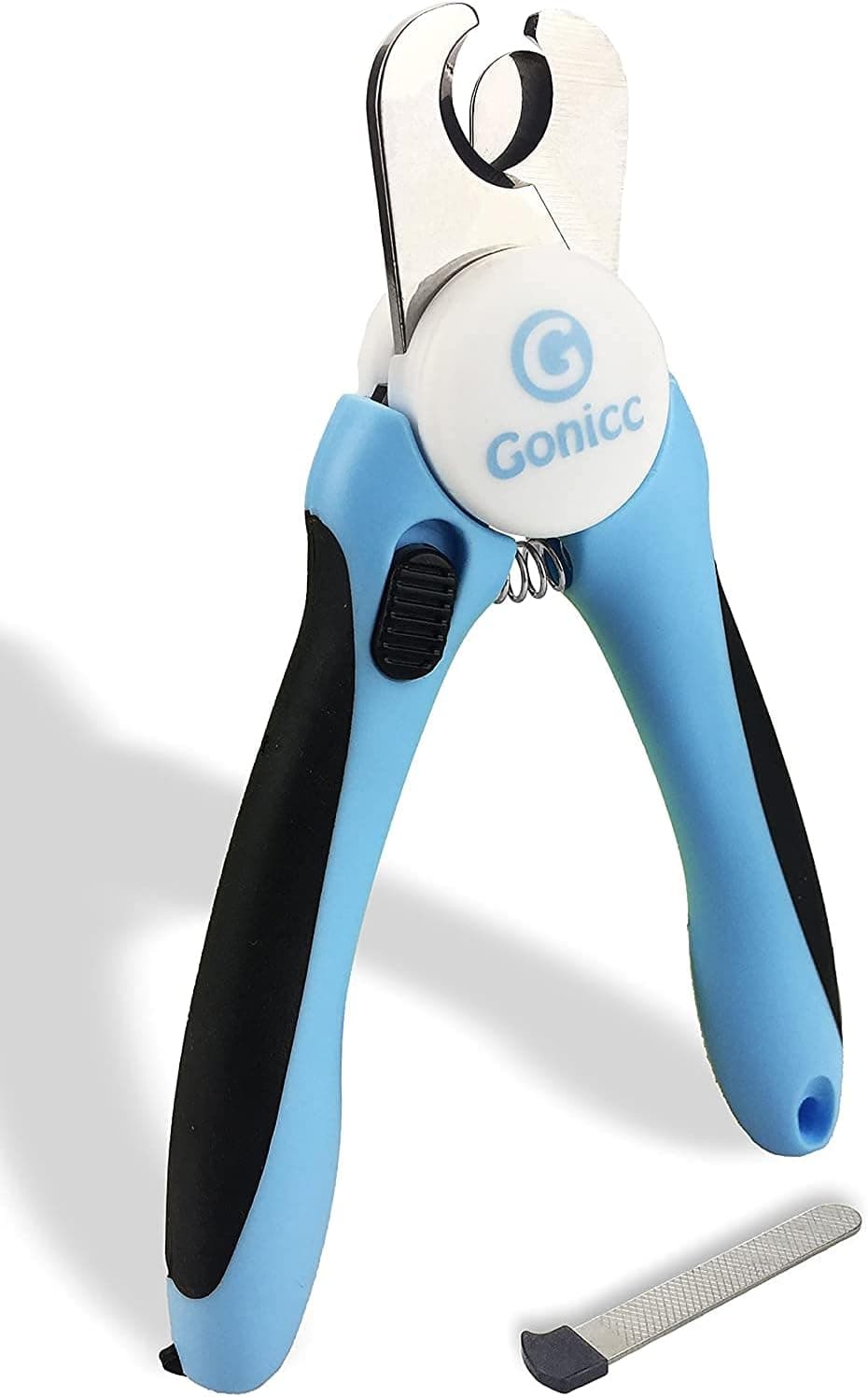
gonicc
✂️ Best Nail Clippers
Tradeoff: Fast and well guarded — keep styptic powder nearby regardless.
Best for dry skin
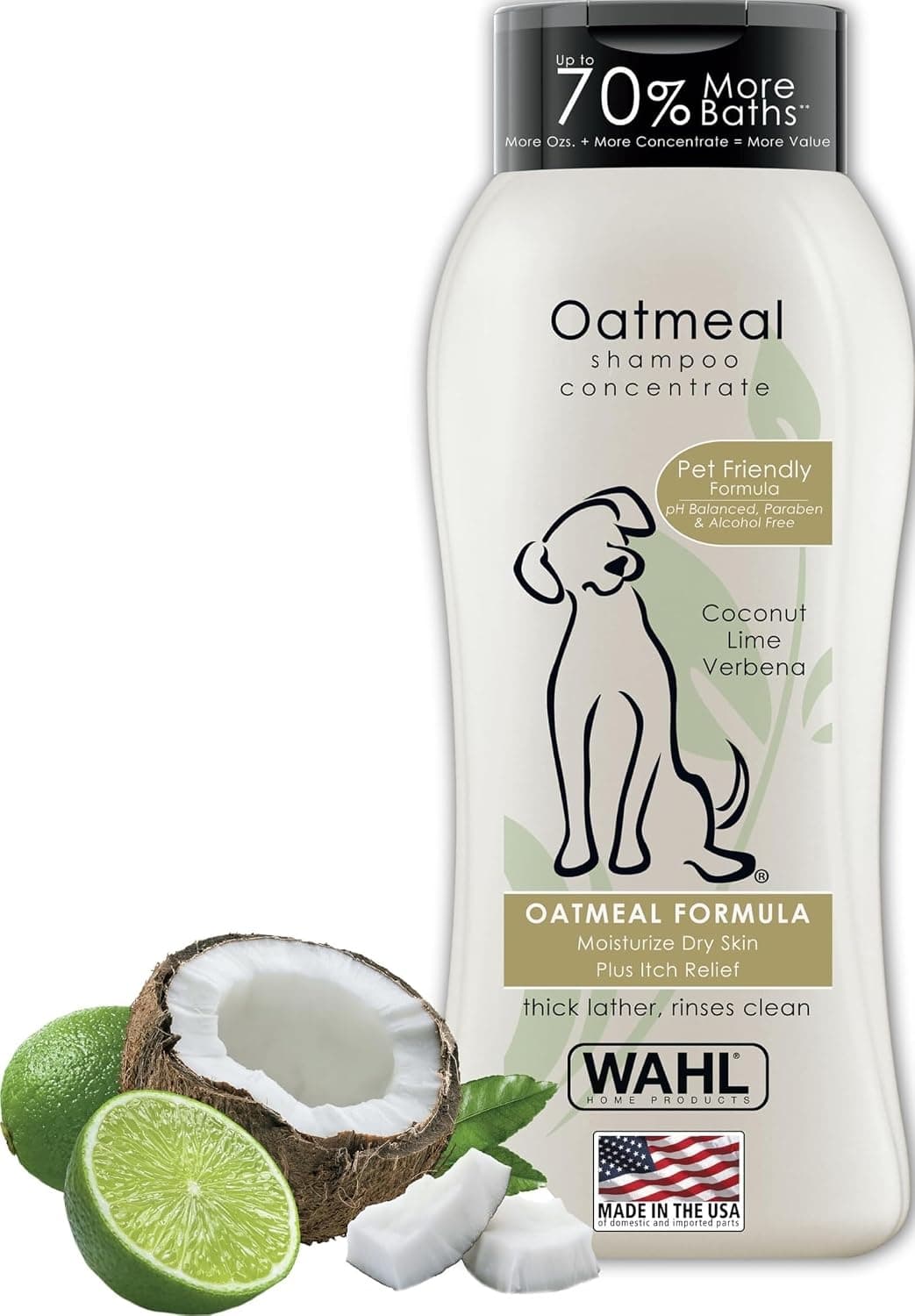
Wahl
💦 Best for Dry Skin
Tradeoff: Moisturising, but scented — the Burt's Bees is the better pick if fragrance is the trigger.
Best for daily grooming
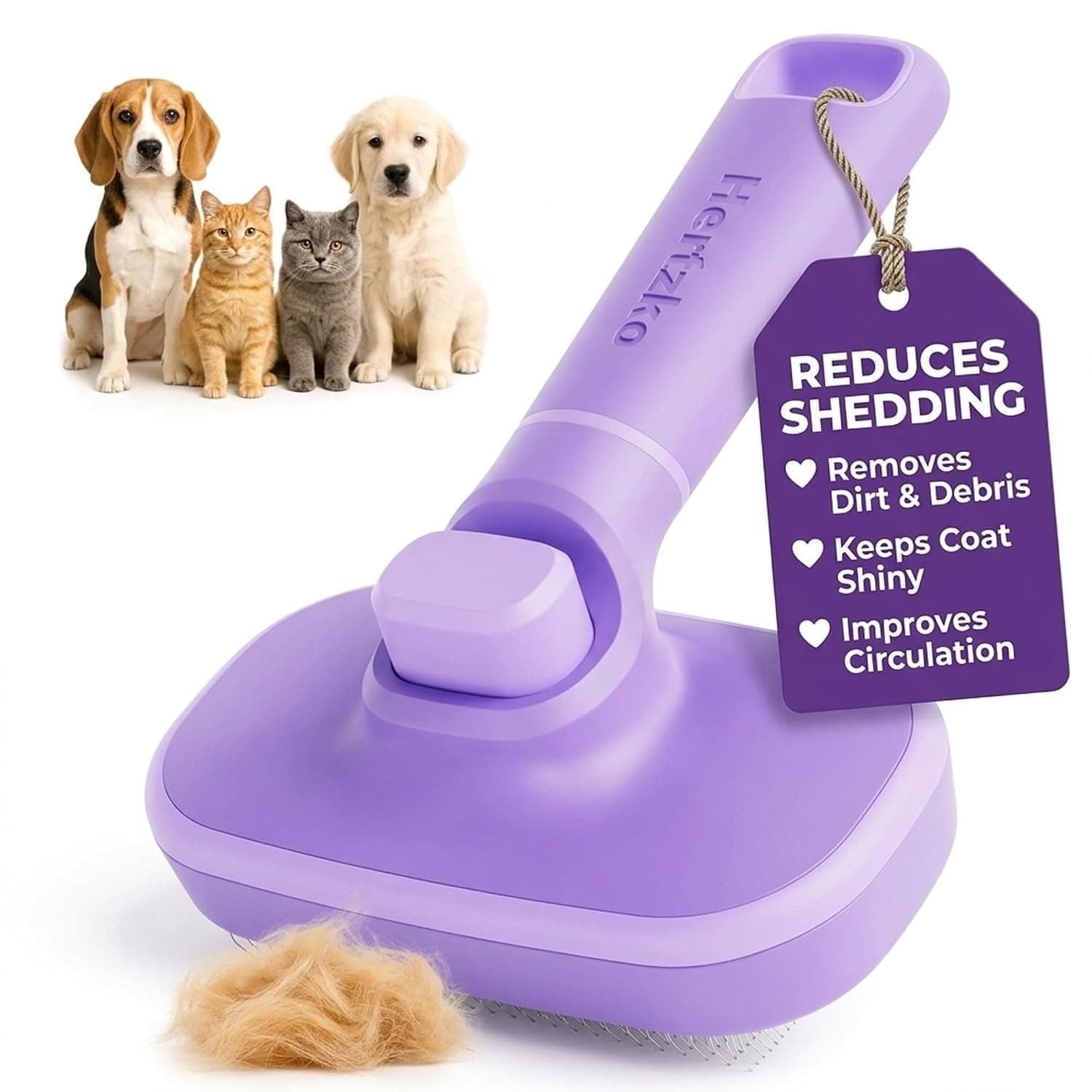
Hertzko
🧹 Best for Daily Grooming
Tradeoff: Dense double coats need an undercoat rake too.
Best for odor control
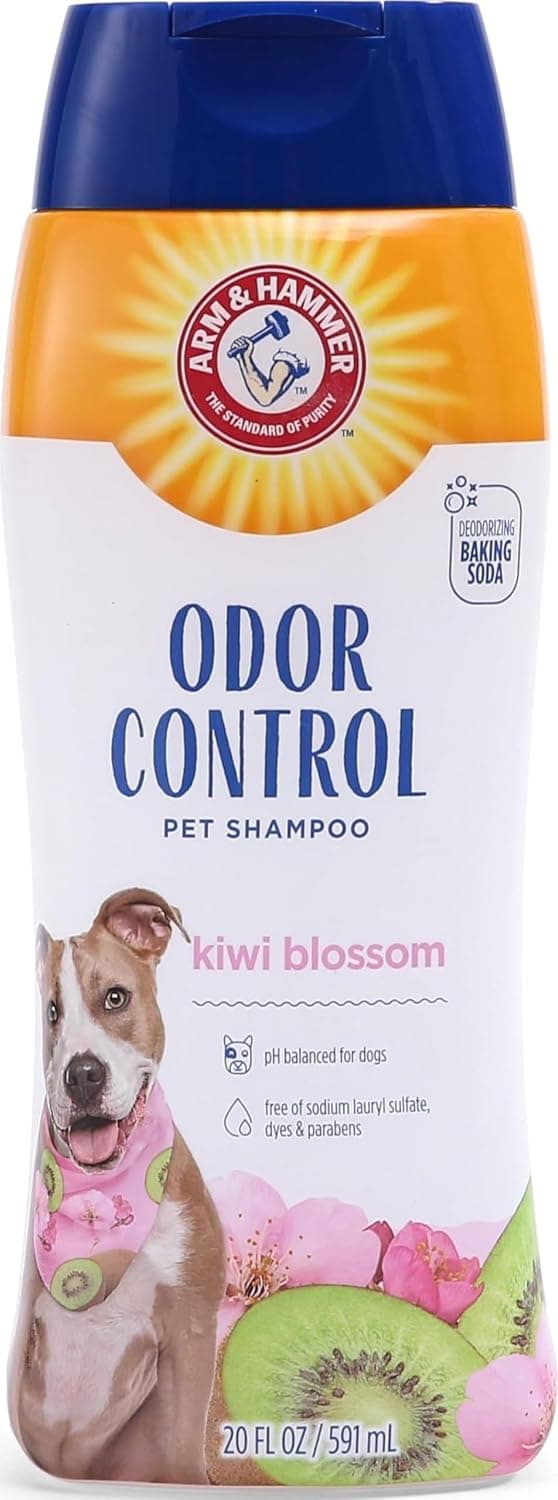
Arm & Hammer
🌬️ Best for Odor Control
Tradeoff: Great on ordinary dog smell; a persistent odor is a vet question, not a shampoo one.
Best for dental hygiene
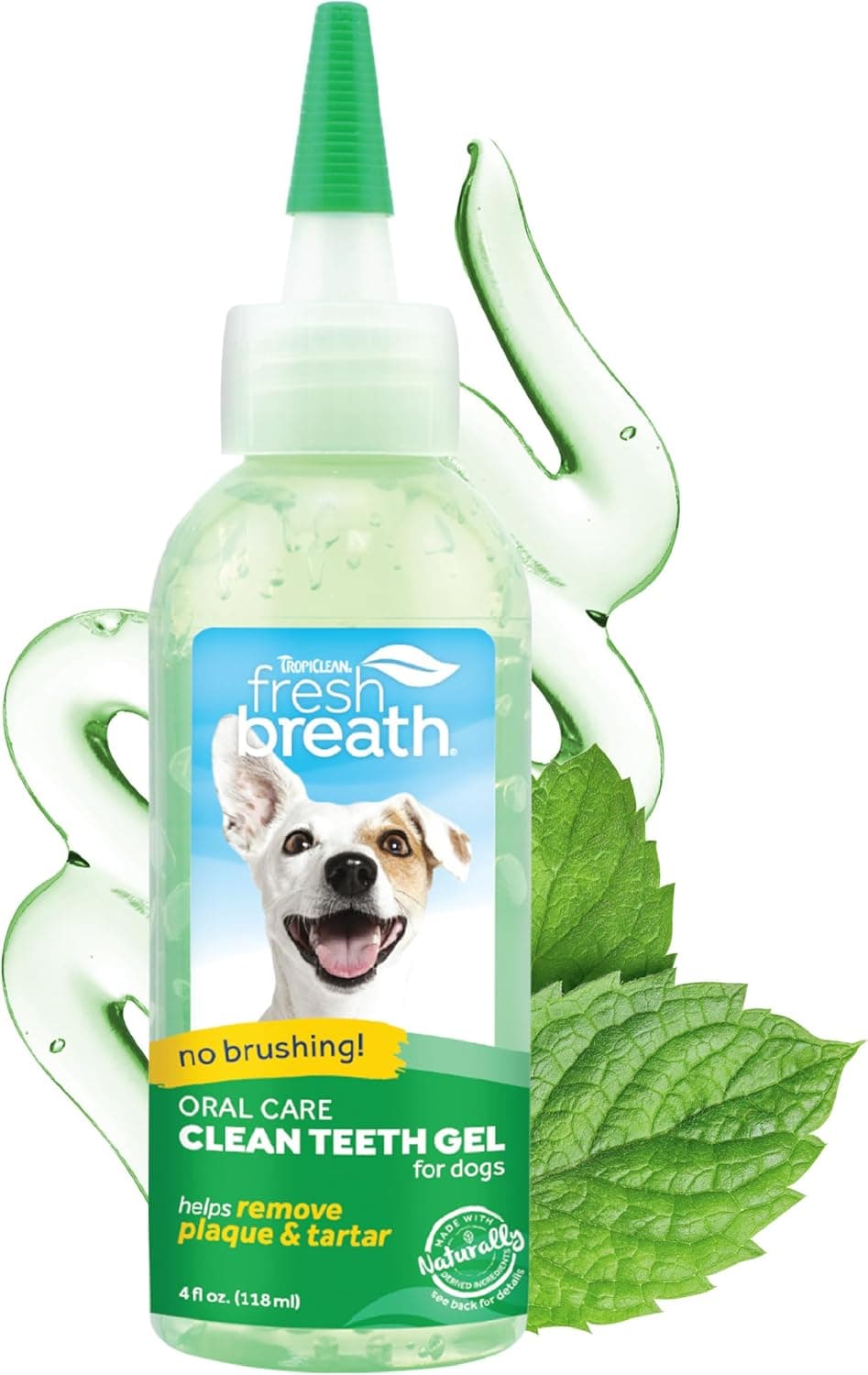
TropiClean
🦷 Best for Dental Hygiene
Tradeoff: The routine you'll keep — but it doesn't replace brushing or a vet cleaning.
Best for quick cleanups
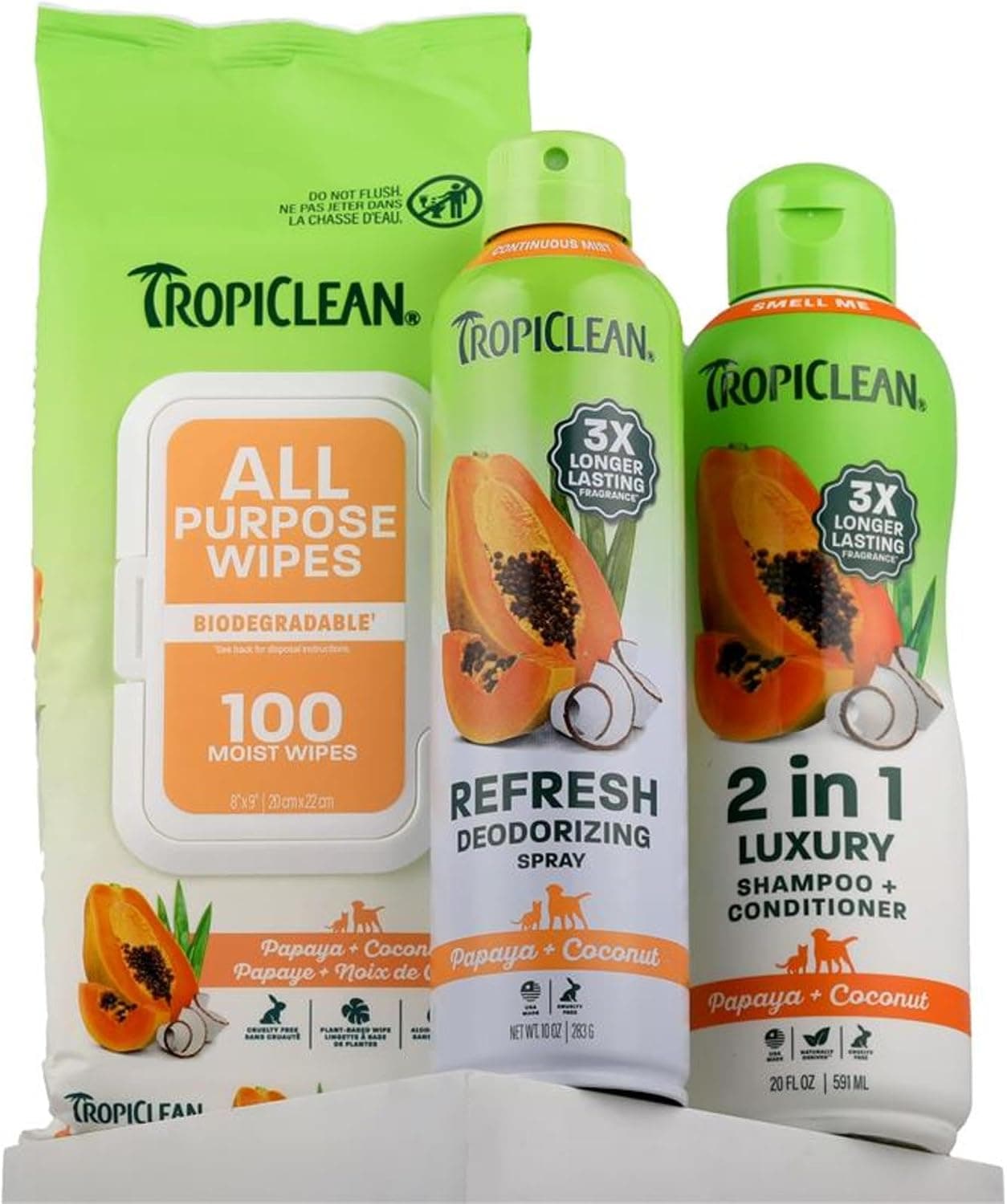
TropiClean
🧽 Best for Quick Cleanups
Tradeoff: It's a bundle — good value only if you'll actually use all three parts.
17 guides on grooming, grouped by what you're trying to work out.
Which brush for which coat, how often, and the mats that form where you are not looking.
How often, which shampoo, water temperature, and drying a thick coat properly.
Clippers versus grinders, finding the quick, black nails, and paw pad care.
Routine cleaning, tear stains, brushing teeth, and the discharge that means a vet visit.
Seasonal blowouts, deshedding tools, and what to ask for at the groomer.
Coat-type fit comes first — the right brush for a double coat is the wrong one for a short coat, so we compare by coat, not by brand. A double coat needs an undercoat rake or a deshedding tool that reaches the dense layer without cutting the guard hairs above it. A curly or wool coat needs a slicker plus a metal comb, and the comb is the part people skip: a slicker can leave the surface looking brushed while a mat sits tight against the skin underneath. Short smooth coats need almost nothing — a rubber curry once a week does it. Nails are the other half of this category and the part most owners avoid; little and often beats a monthly wrestling match, whether you use clippers or a grinder. Do not shave a double-coated dog to keep it cool, because that coat insulates both ways and does not always grow back the same. A coat already matted to the skin is a groomer's job, not a brush's.
For most dogs, roughly every four to eight weeks, or whenever they are actually dirty. Short smooth coats can go longer; oily breeds and dogs with skin conditions may need a schedule your vet sets. Weekly bathing without a medical reason tends to dry the skin out.
Take very small slices off the tip and look at the cut face after each one. Pale and chalky means keep going; a small dark circle appearing in the centre means stop, you are at the edge of the quick. Trimming little and often also causes the quick to recede over weeks, which is what makes long nails fixable.
Double coats need an undercoat rake or deshedding tool plus a comb. Curly and wool coats need a slicker and a metal comb, and the comb is the part people skip. Short smooth coats need almost nothing — a rubber curry once a week. Buying by coat rather than by brand is the whole decision.
Double-coated breeds blow their undercoat seasonally and it looks alarming; that is normal, and the answer is more brushing rather than less. Year-round heavy shedding, bald patches, or shedding with itching or scabs is different and worth a vet visit, since it can point to parasites, allergies, or a thyroid problem.