Best overall cat litter
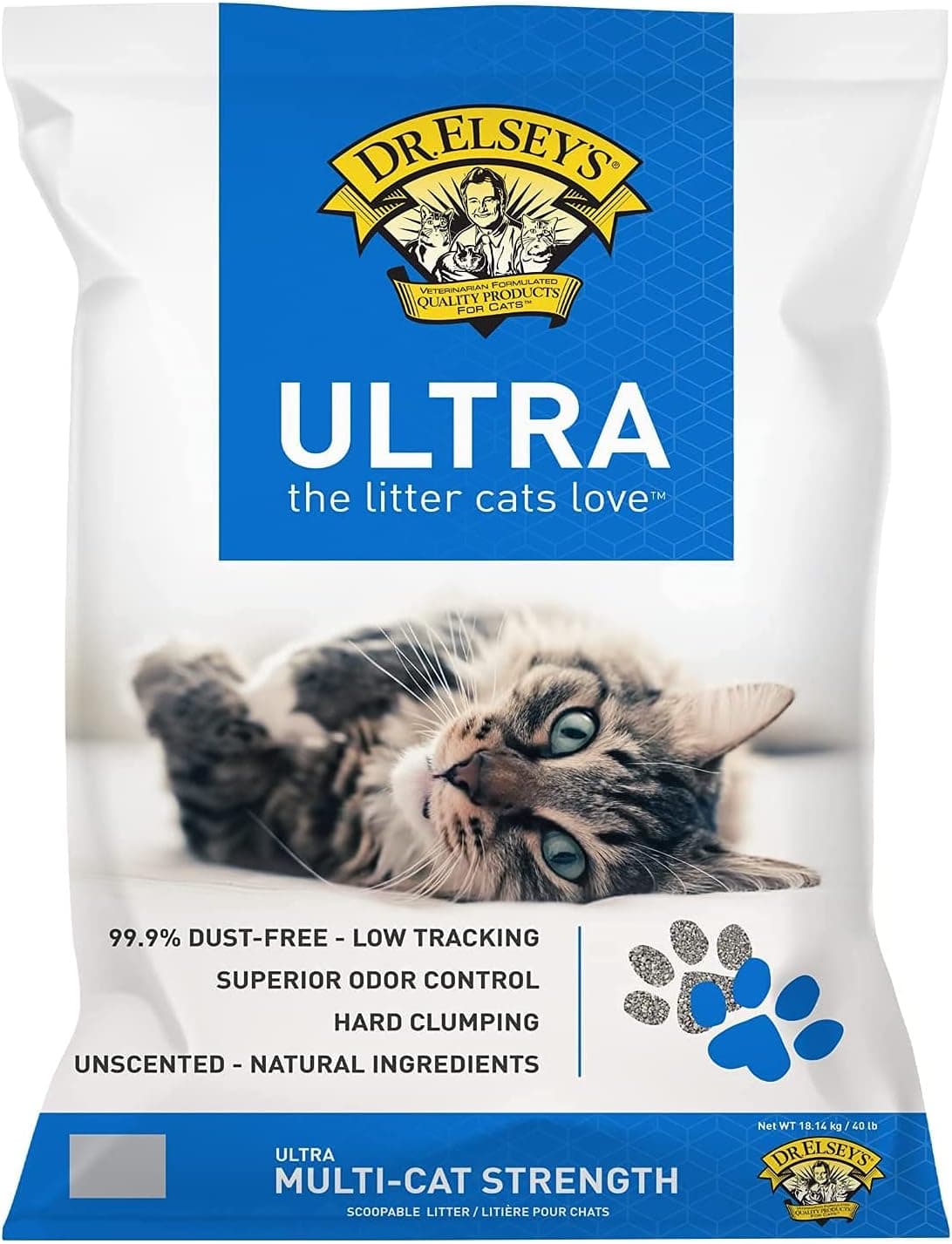
Dr. Elsey's
Dr. Elsey's Ultra Unscented Clumping Litter
4.7
The gold standard: rock-hard clumps, 99.9% dust-free, unscented — the litter cats and reviewers agree on.
Tradeoff: Heavy to carry — no lightweight version.
Cats are conservative about litter: most prefer a fine, soft, unscented substrate, and heavy perfume is added for humans rather than for them. If your cat is avoiding the box, litter is one lever — but box count, size, depth, hood and location matter just as much, and a sudden change in toilet habits is a reason to call a vet before buying anything.
The gold standard: rock-hard clumps, 99.9% dust-free, unscented — the litter cats and reviewers agree on.
Tradeoff: Heavy to carry — no lightweight version.
No dyes, no fragrance, real charcoal odor control — the safe default for scent-sensitive cats.
Tradeoff: Softer clumps than premium litters.
Best overall cat litter
Dr. Elsey's
The gold standard: rock-hard clumps, 99.9% dust-free, unscented — the litter cats and reviewers agree on.
Tradeoff: Heavy to carry — no lightweight version.
Best premium litter for Litter-Robot
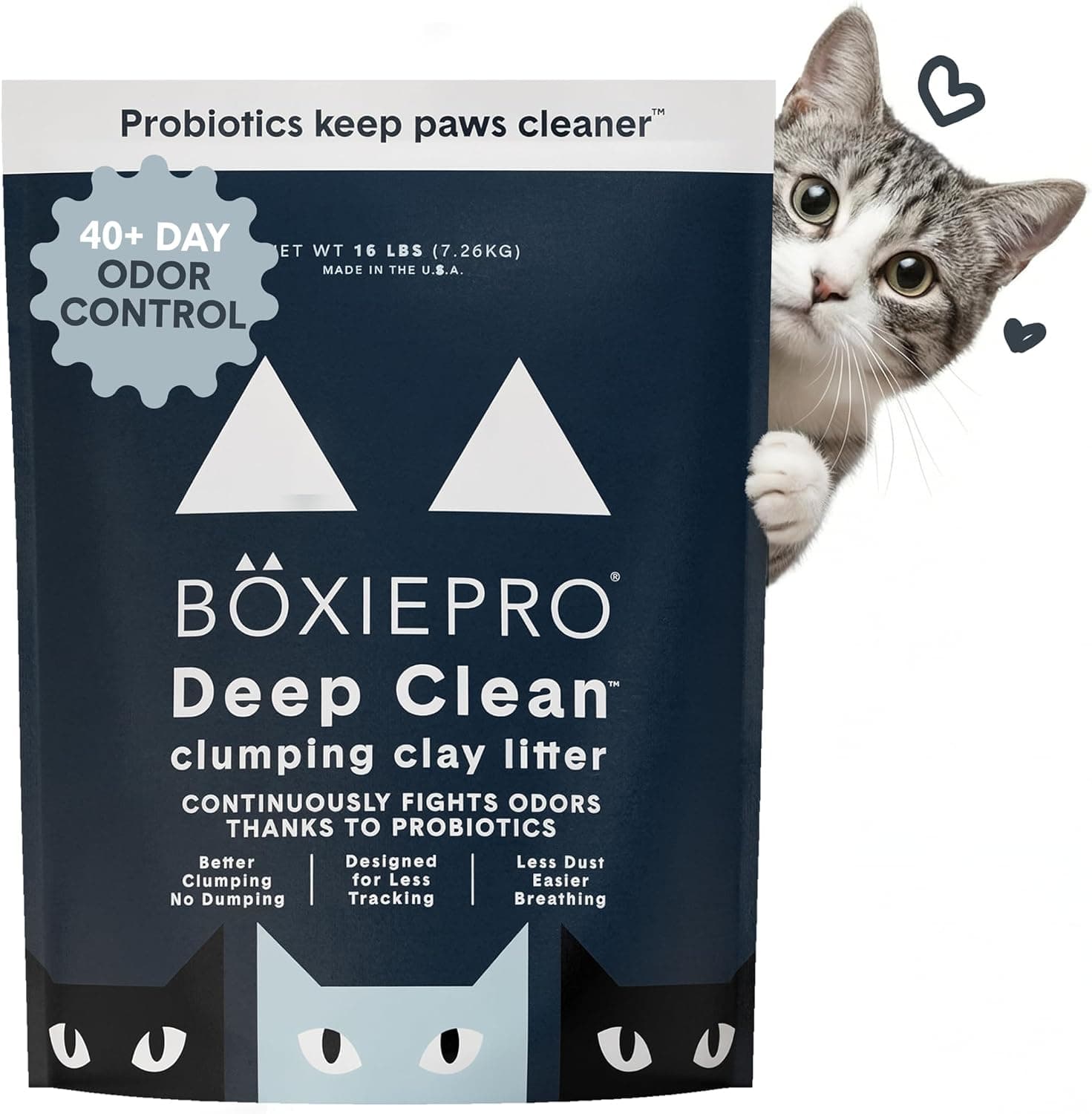
Boxiecat
The upgraded Boxiecat: 40-day probiotic odor control in a dust-free formula tuned for Litter-Robot owners who want zero maintenance surprises.
Tradeoff: Boutique pricing — overkill for a single manual box.
Best premium natural litter
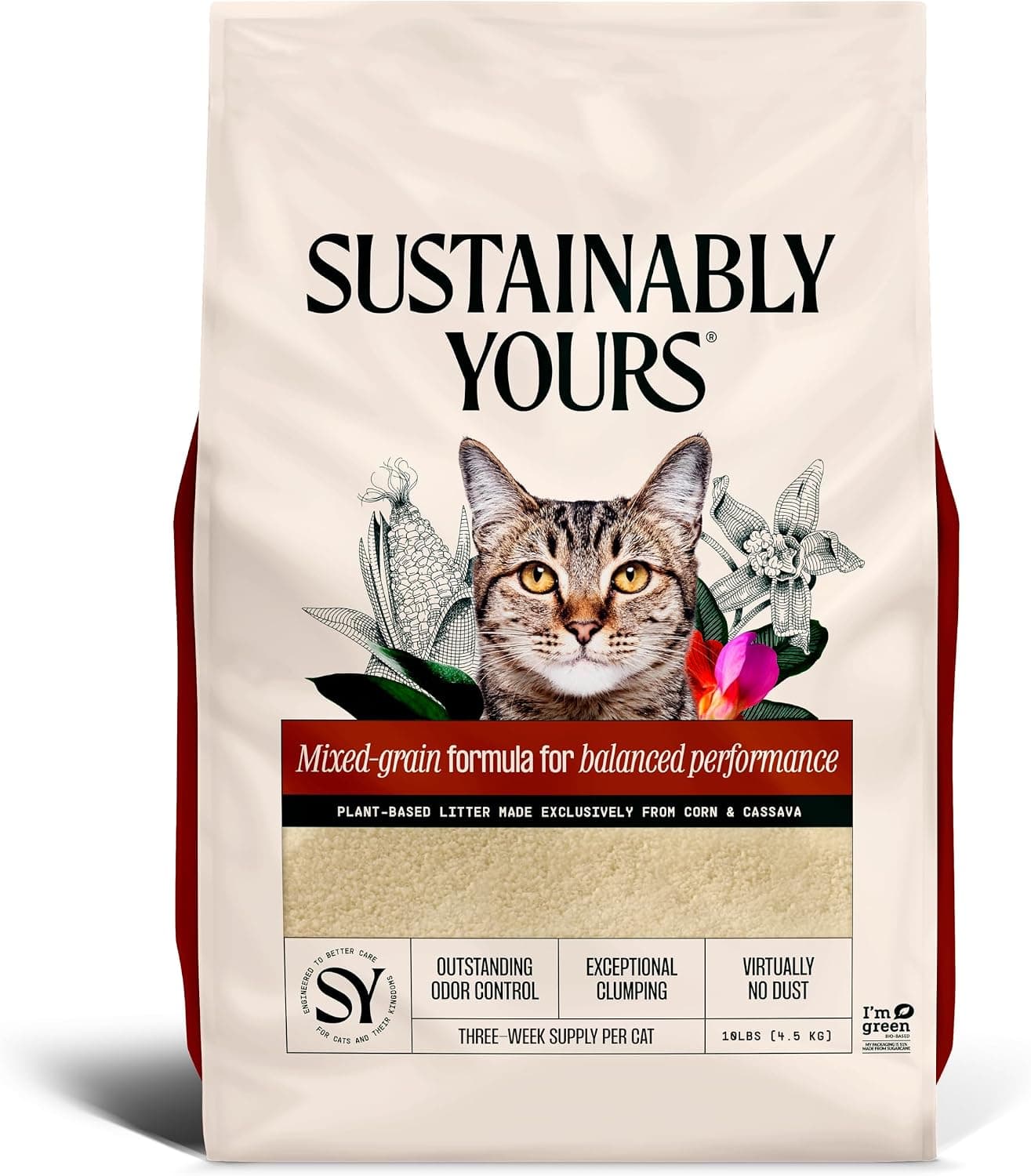
Sustainably Yours
Corn-and-cassava litter with the hardest clumps in the natural category — the premium natural that behaves like the best clay.
Tradeoff: Premium price, and fine grain tracks without a mat.
Best for automatic litter boxes
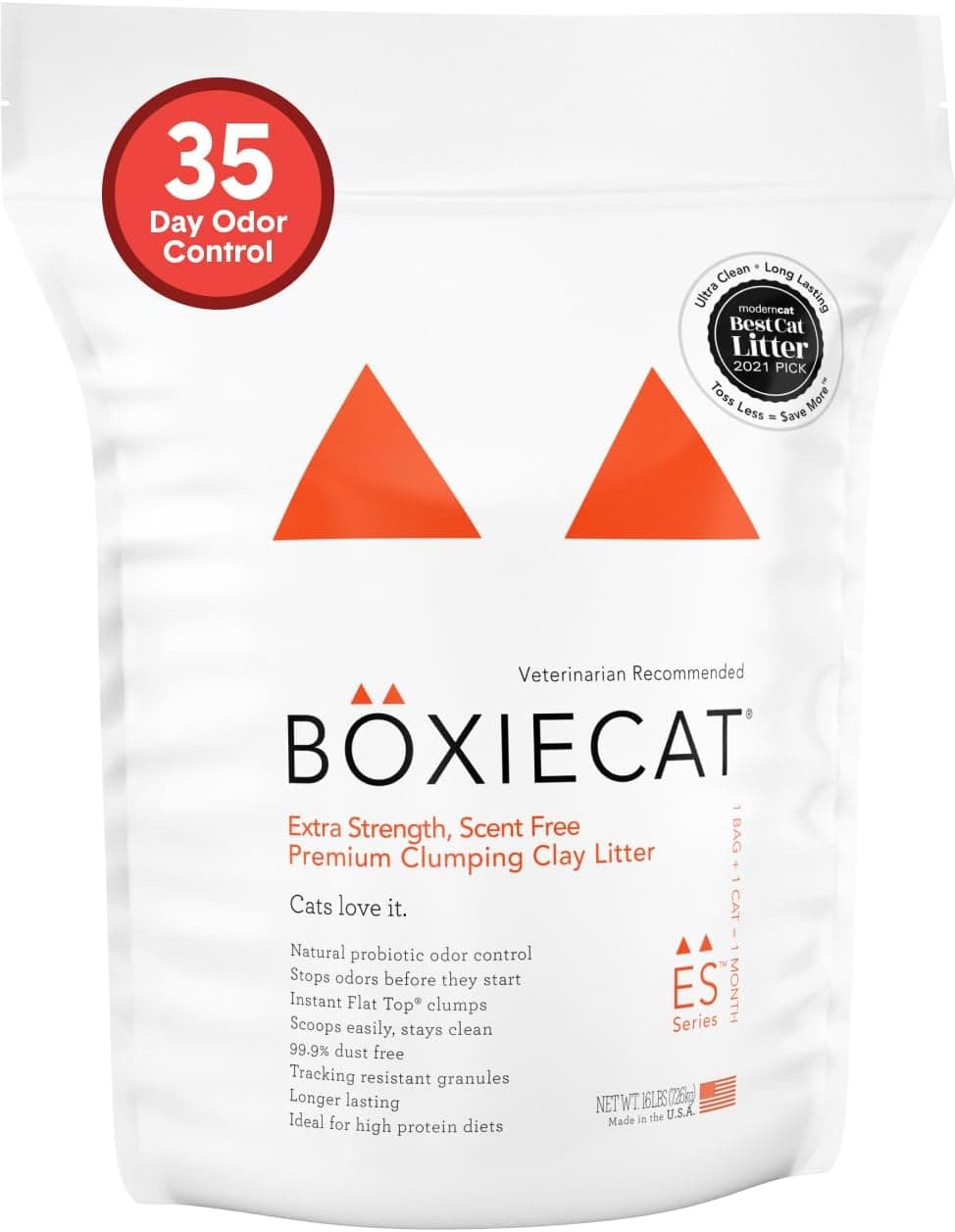
Boxiecat
Flat-top clumps that stay on the surface and don't crumble — exactly what automatic litter boxes need to run clean.
Tradeoff: Premium price per pound versus supermarket clay.
Best wood cat litter
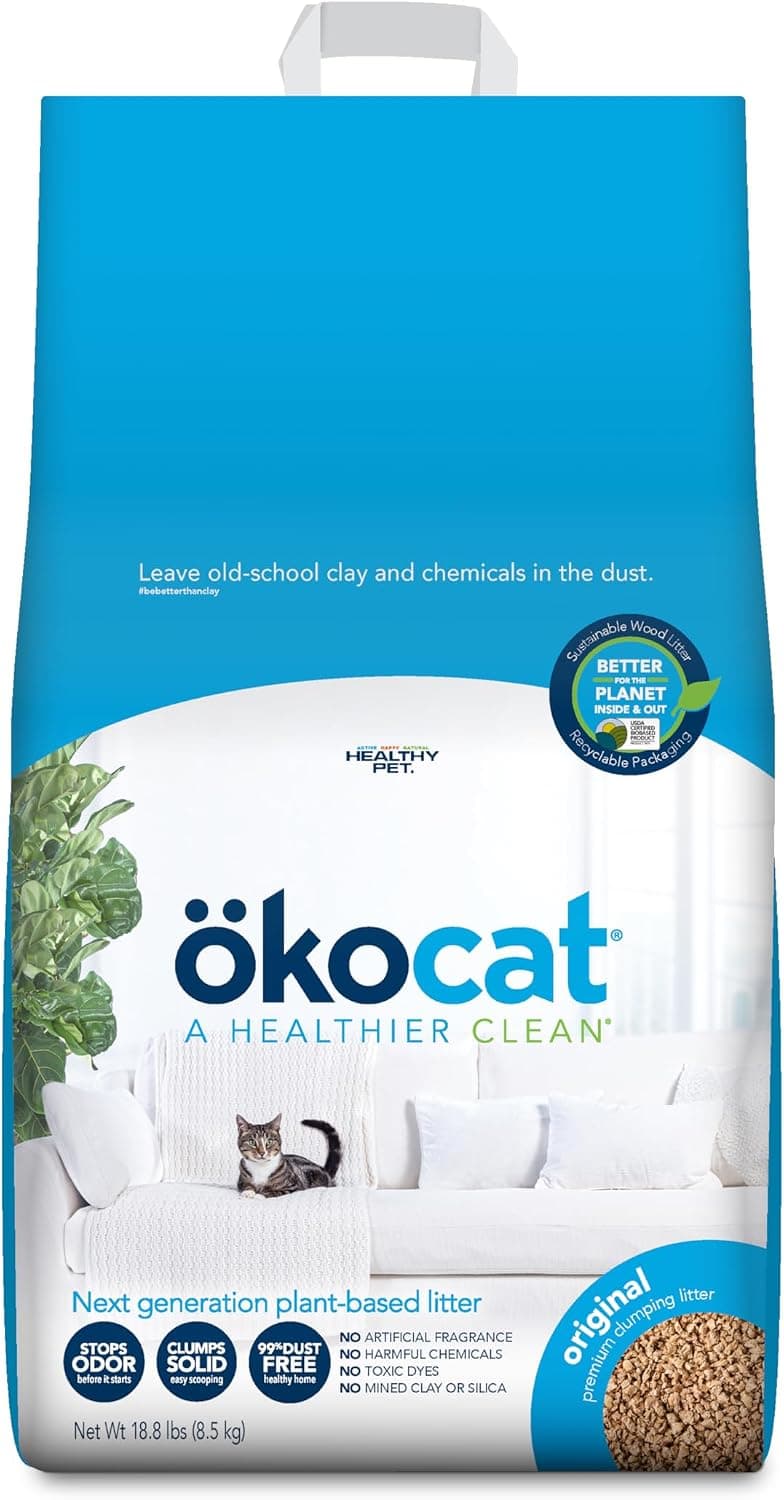
ökocat
The benchmark wood litter: reclaimed timber fiber that clumps like clay, smells like nothing, and composts when you're done.
Tradeoff: Wood granules scatter on hard floors.
Best odor control
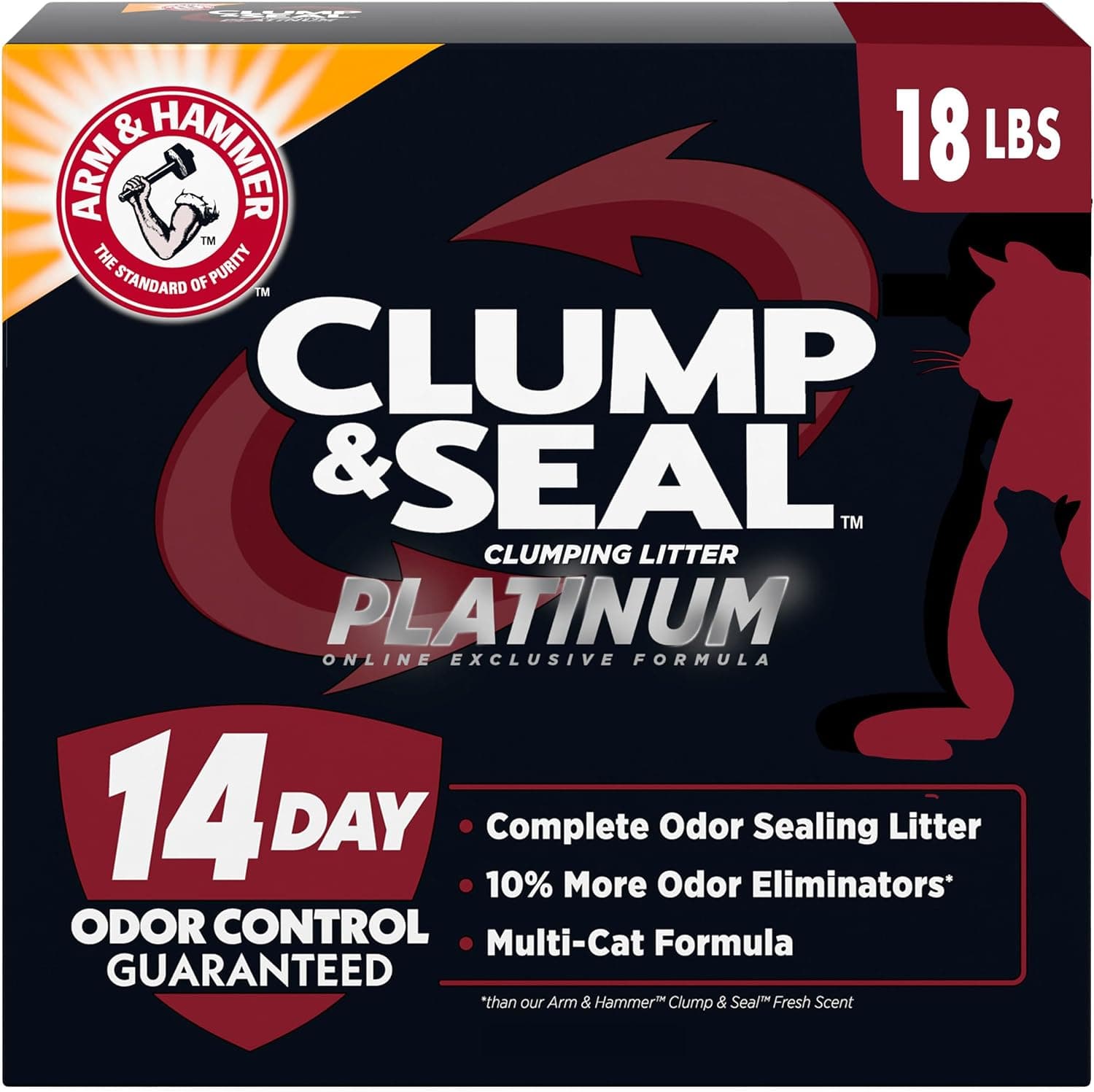
Arm & Hammer
The strongest odor-sealing clumping litter for multi-cat homes at a mainstream price.
Tradeoff: Scented formula, with noticeable dust on pour.
Best sustainable wood litter
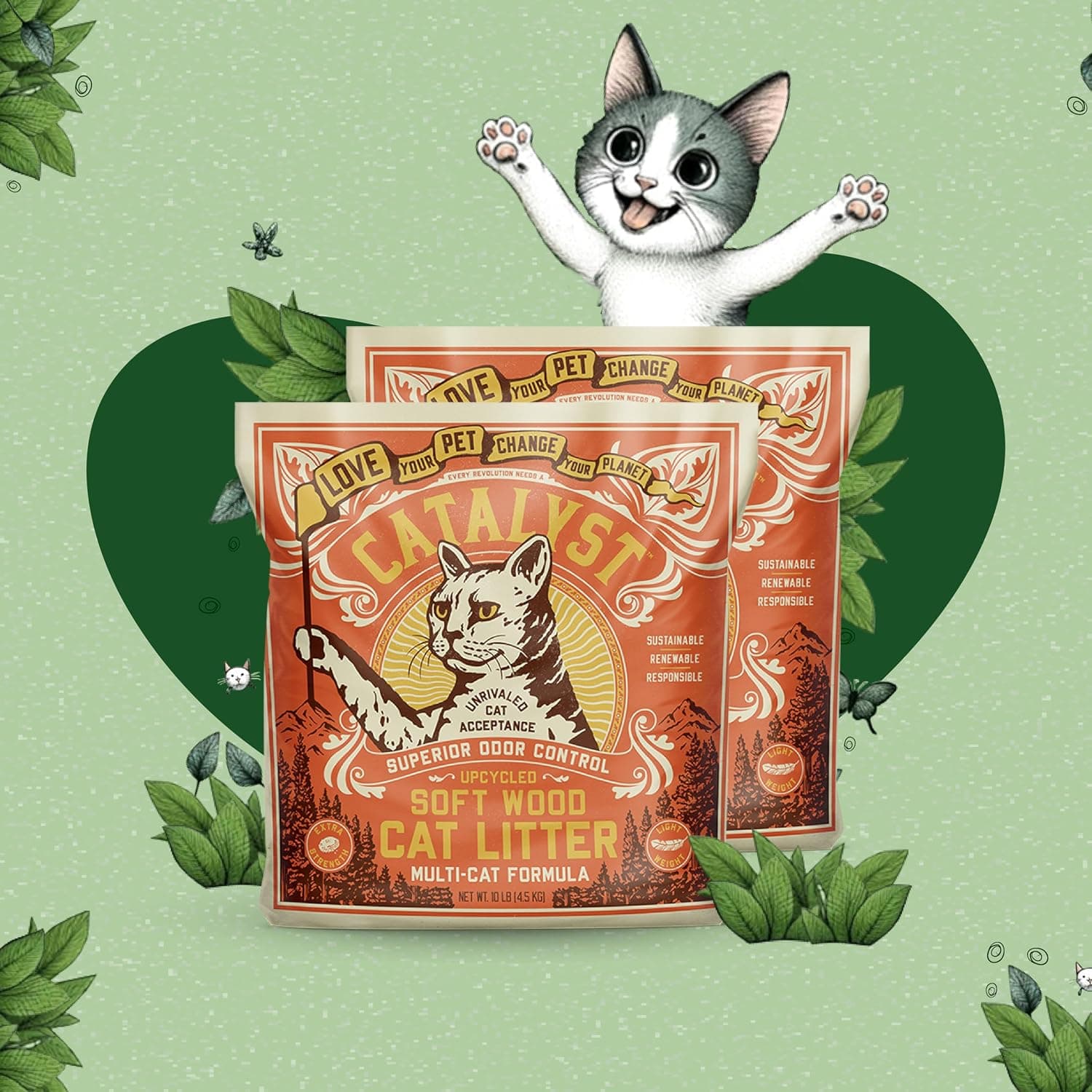
Catalyst
Upcycled soft wood that performs like premium clay — the sustainability pick that doesn't ask for compromises.
Tradeoff: Premium up-front price; the per-use math is what saves you.
Best easy-clean litter
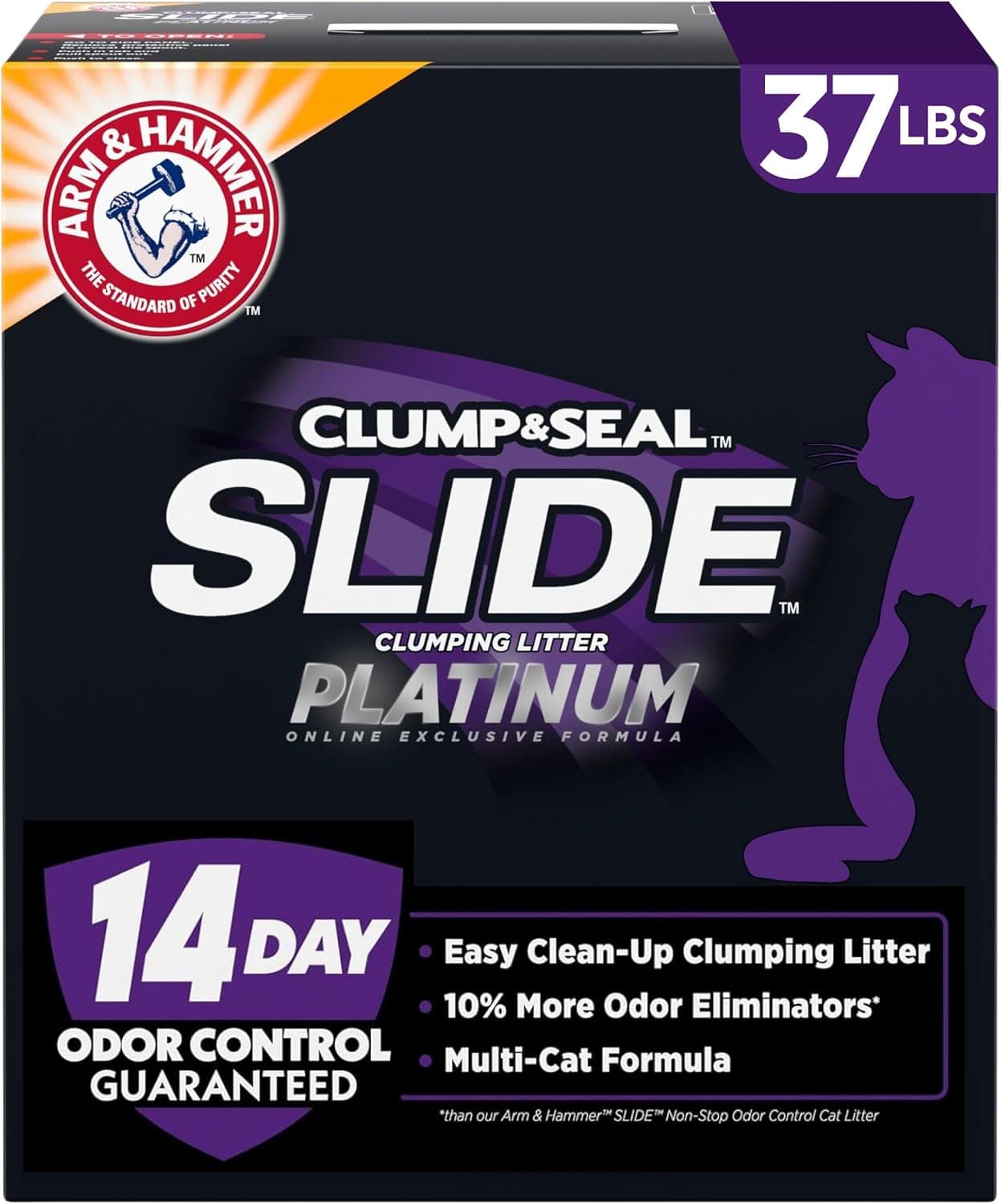
Arm & Hammer
The litter that doesn't cement to the pan — dump-and-rinse box changes instead of scraping.
Tradeoff: Scented formula — skip it if your cat avoids perfumed litter.
Best for apartments
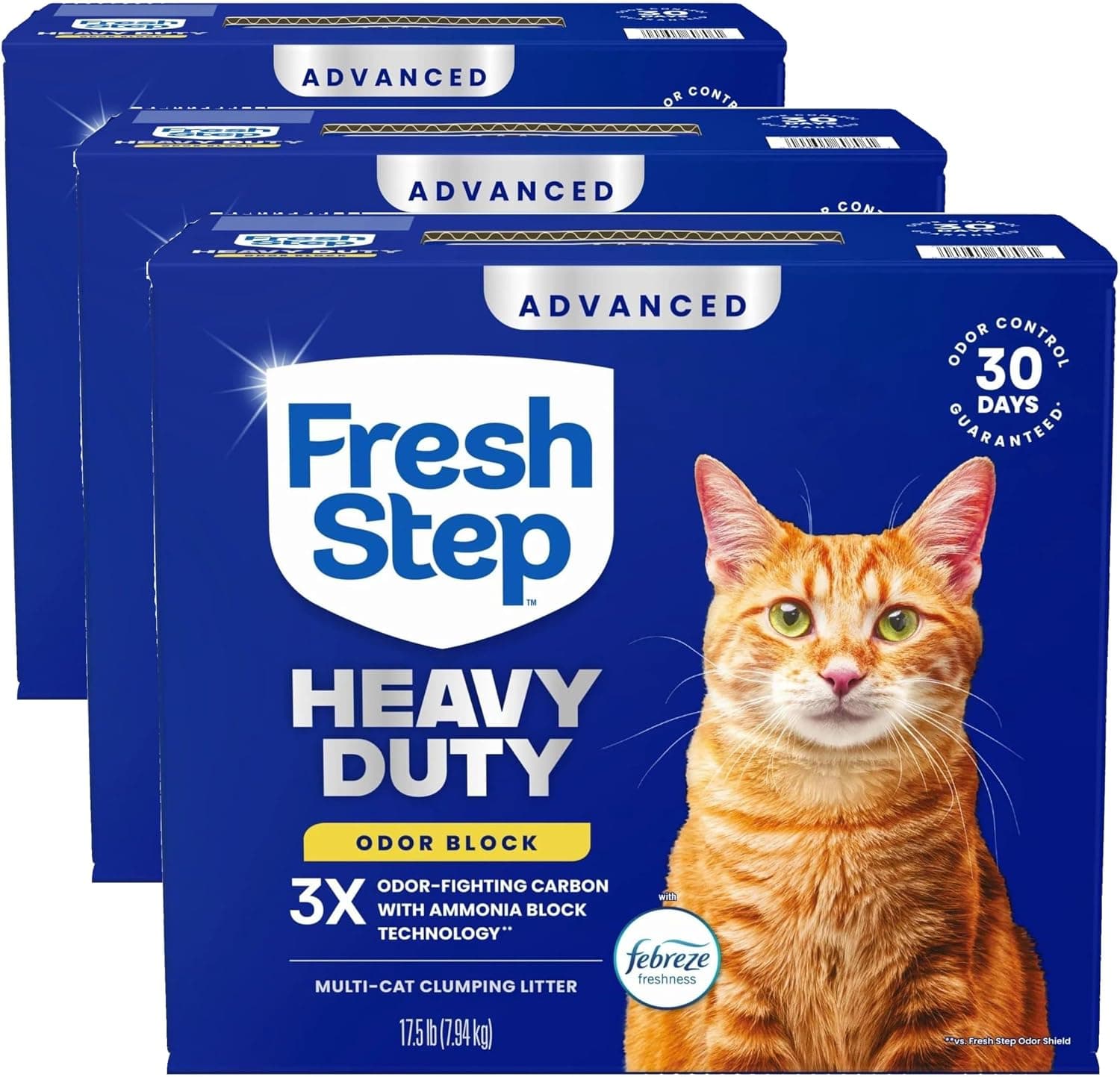
Fresh Step
Fresh Step's strongest odor formula — built for small spaces where the litter box shares your square footage.
Tradeoff: Scented formula; bulk packs are heavy.
Best natural litter
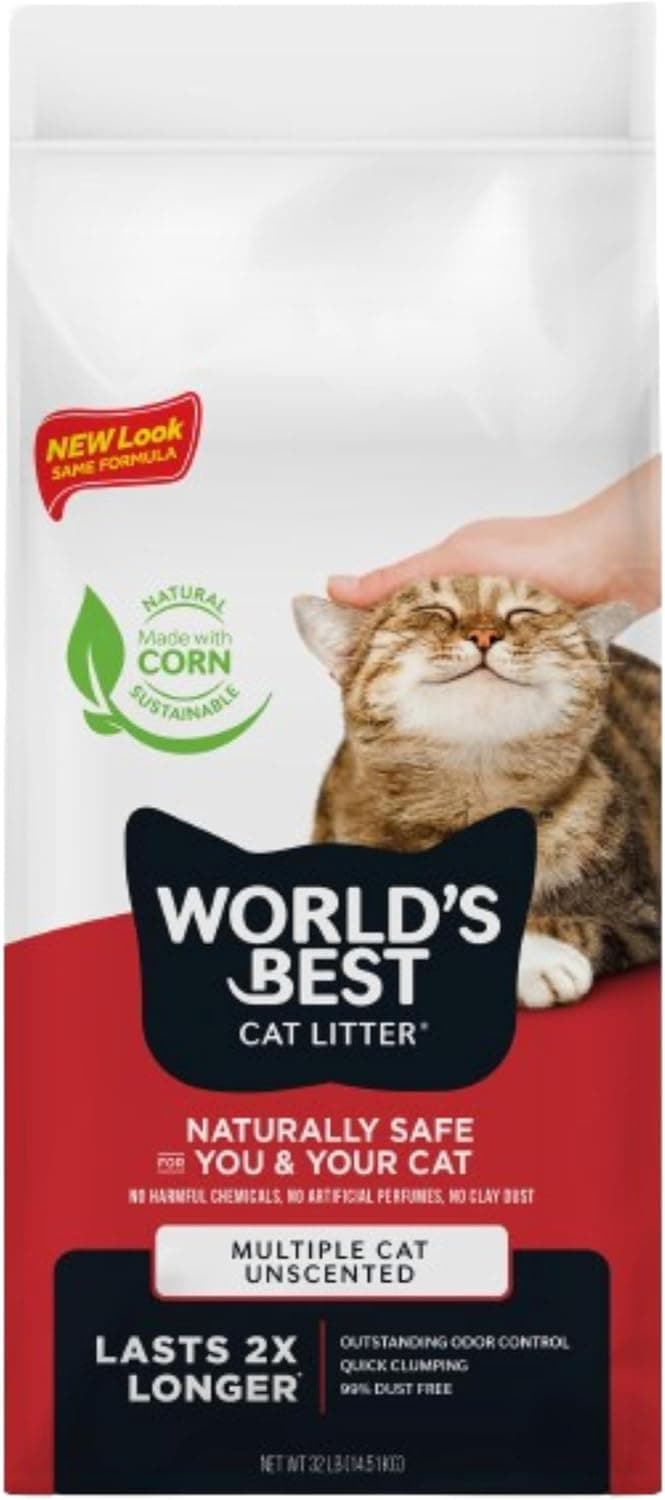
World's Best
The natural pick — corn-based, lightweight, flushable in most areas, with clumping that gets surprisingly close to clay.
Tradeoff: Costs more per pound than clay.
Best soft-texture litter
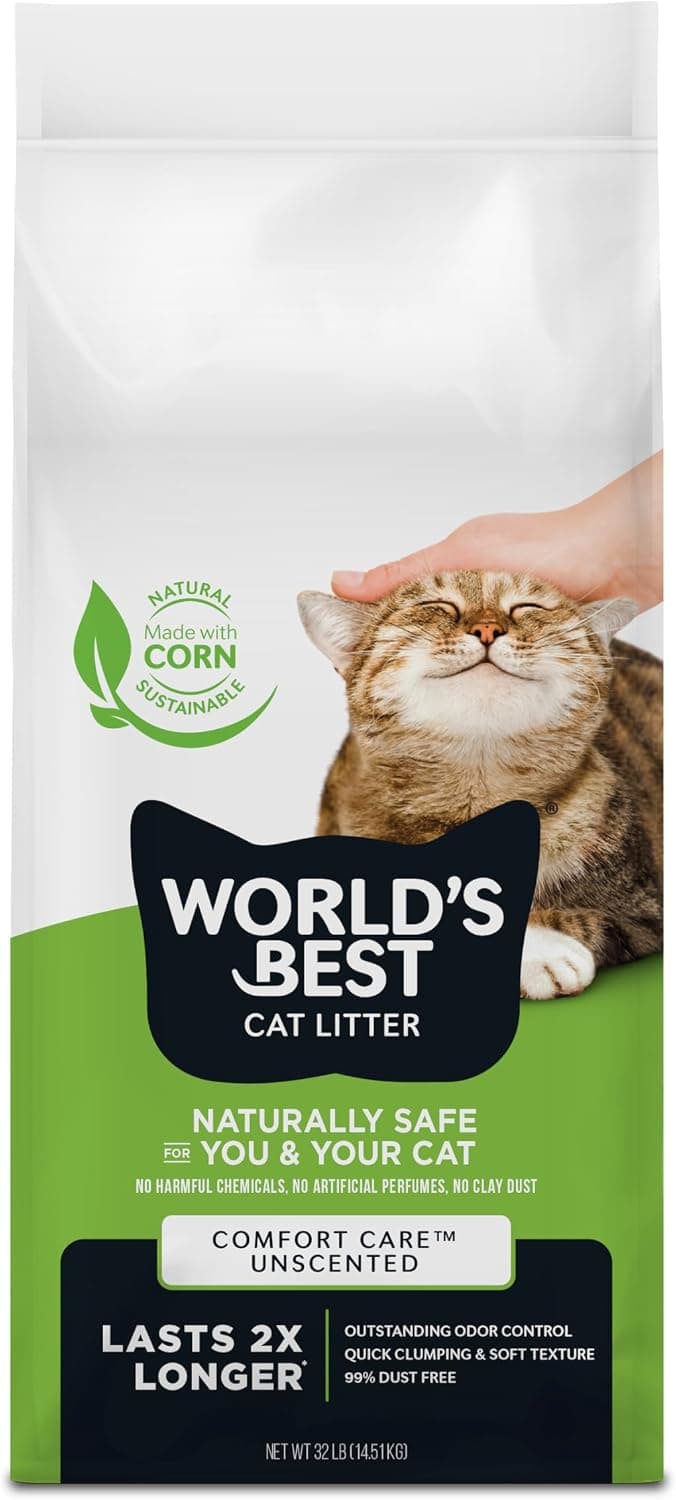
World's Best
The softest texture in the natural category — finer corn granules for declawed cats, kittens, and paw-sensitive adults.
Tradeoff: Fine granules track more — plan on a litter mat.
Best walnut cat litter
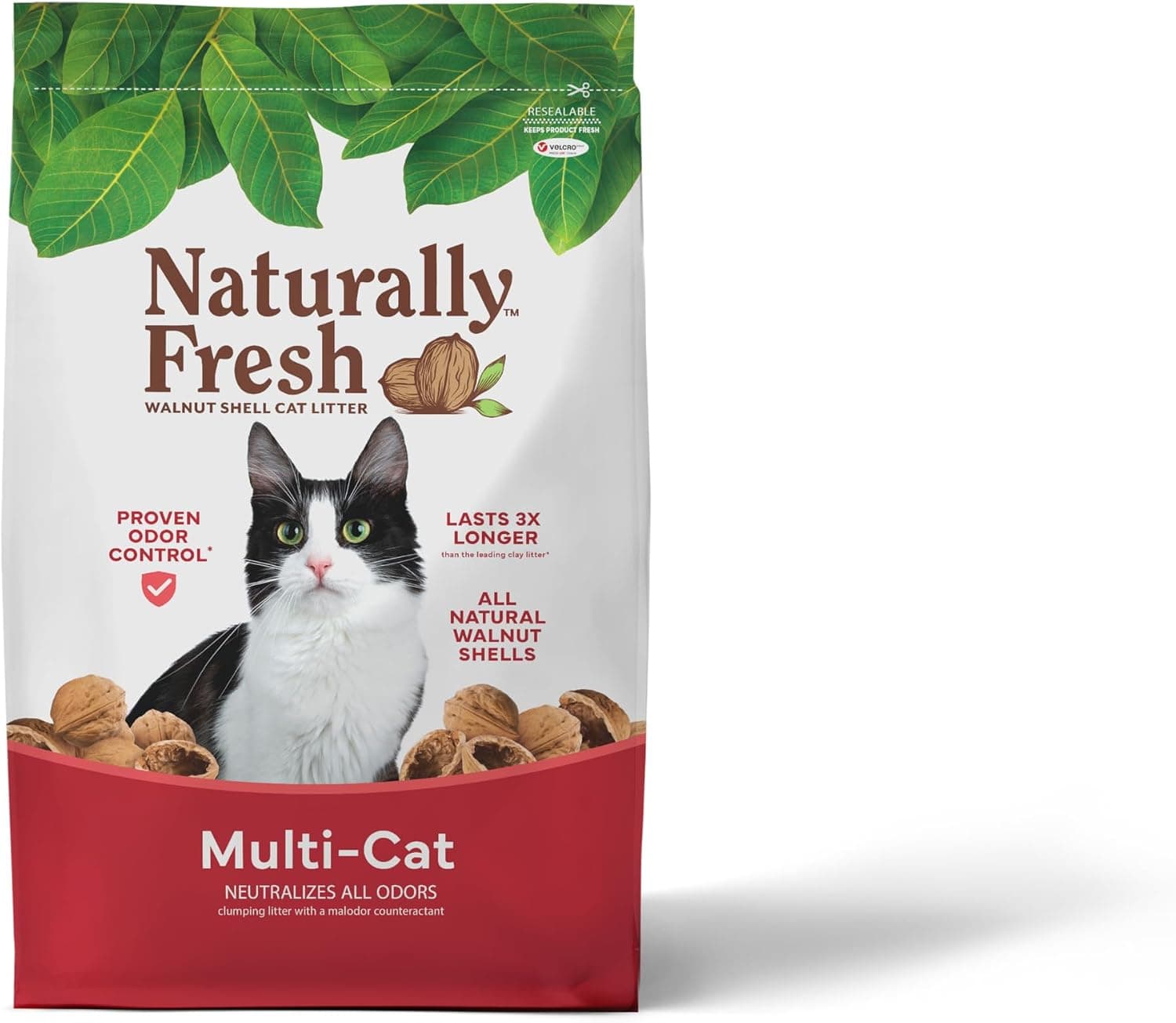
Naturally Fresh
Ground walnut shells that neutralize odor better than most clays — the dark-horse natural for multi-cat homes.
Tradeoff: Dark granules make tracking visible on light floors.
Best unscented multi-cat litter
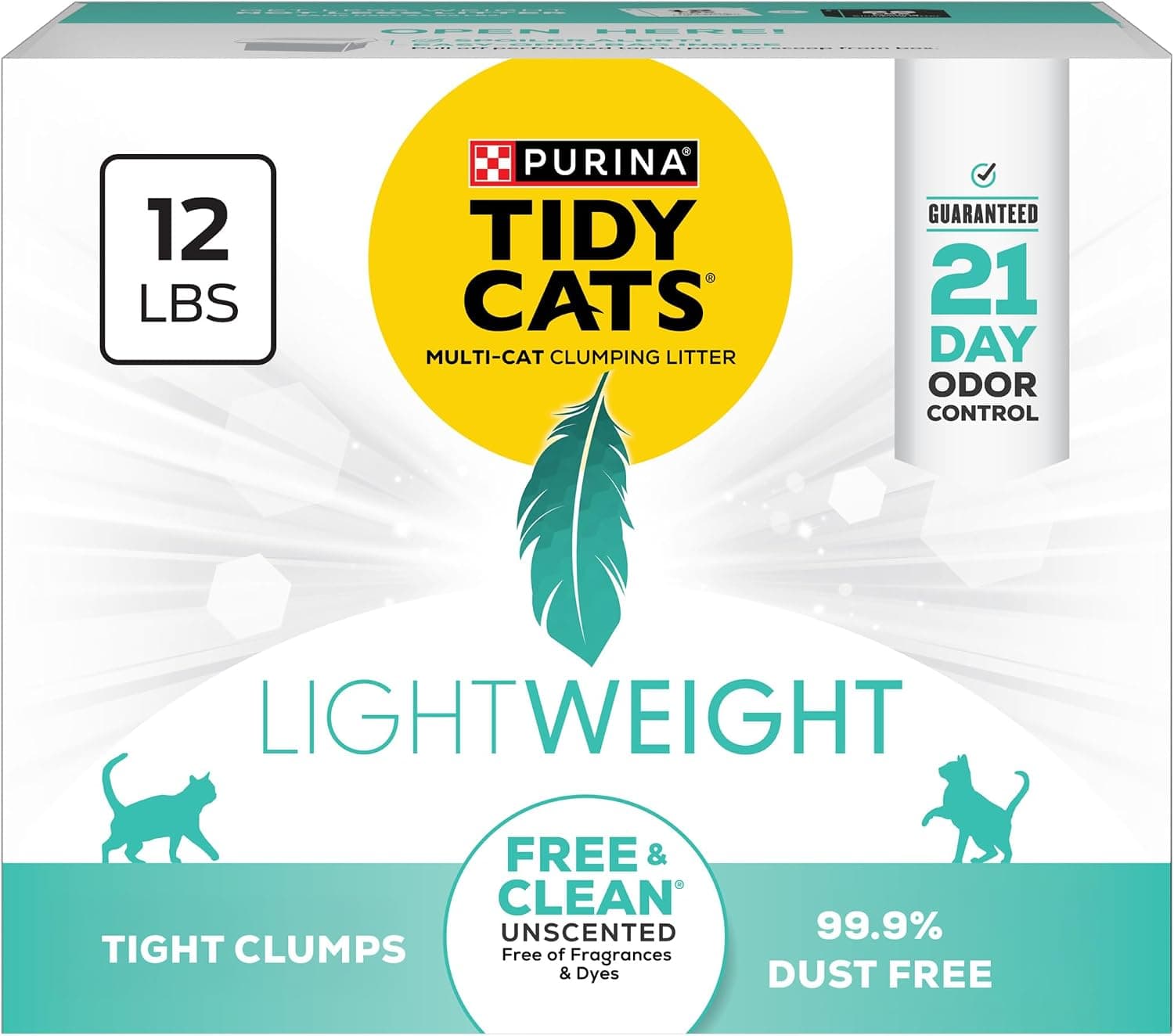
Tidy Cats
Free & Clean's unscented charcoal formula at half the carrying weight — the multi-cat pick for anyone tired of hauling 40-pound boxes.
Tradeoff: Light granules track and dust more than heavy clay.
Best fragrance-free litter
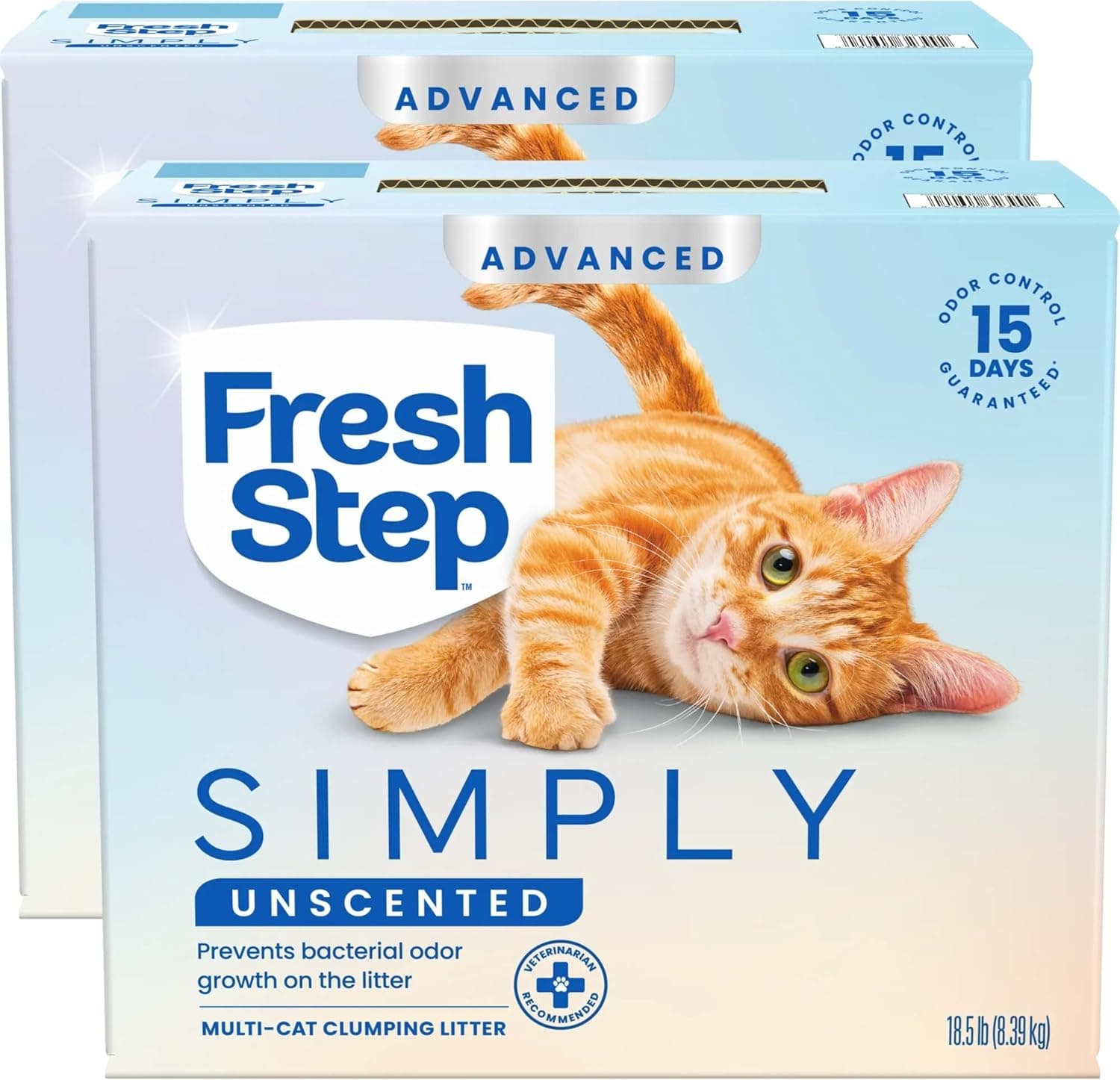
Fresh Step
Fresh Step's odor tech without the perfume — activated charcoal does the work, fragrance sits this one out.
Tradeoff: Unscented formula gives up a little odor control versus scented picks.
Best for sensitive cats
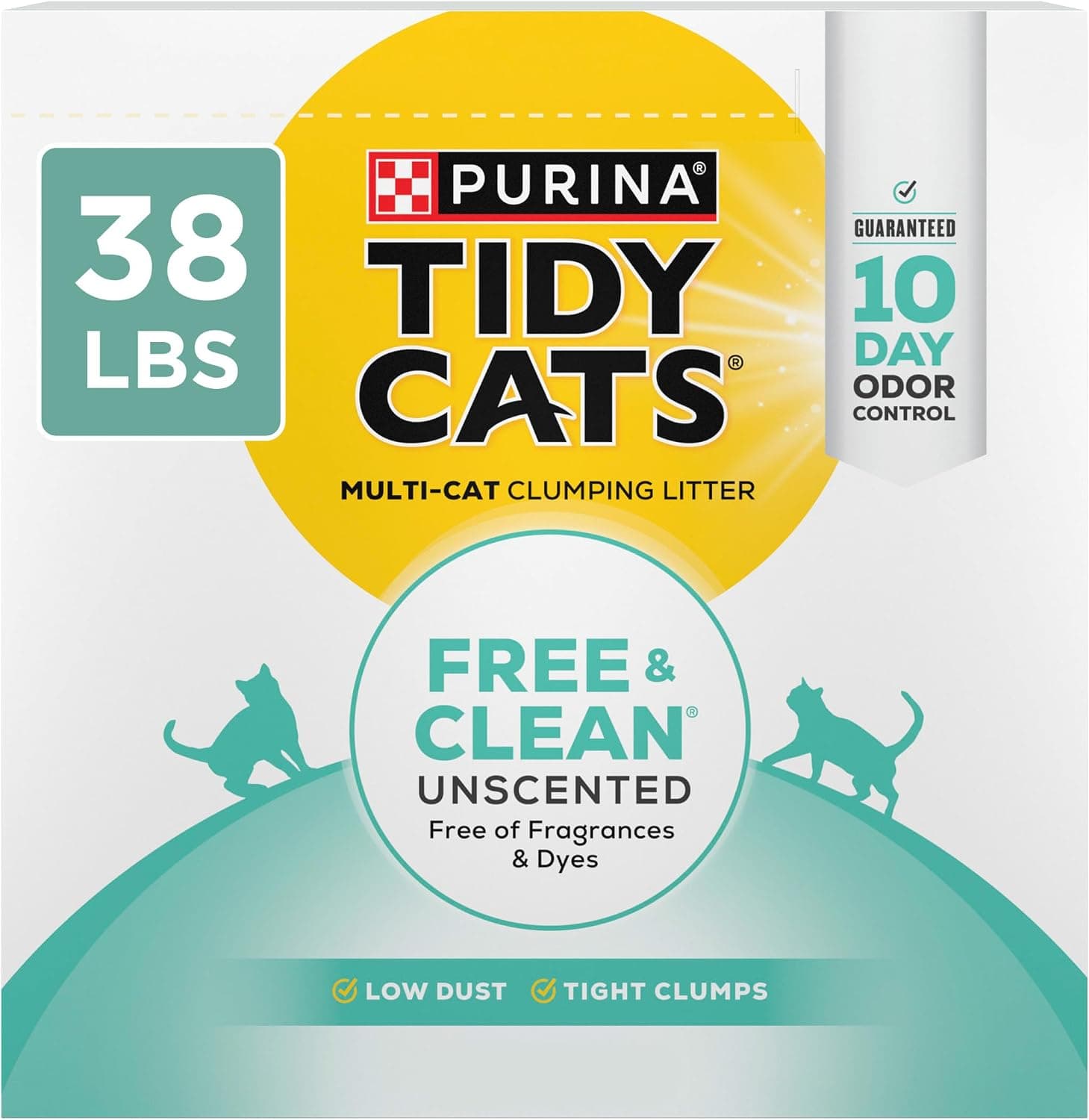
Tidy Cats
No dyes, no fragrance, real charcoal odor control — the safe default for scent-sensitive cats.
Tradeoff: Softer clumps than premium litters.
Best value cat litter
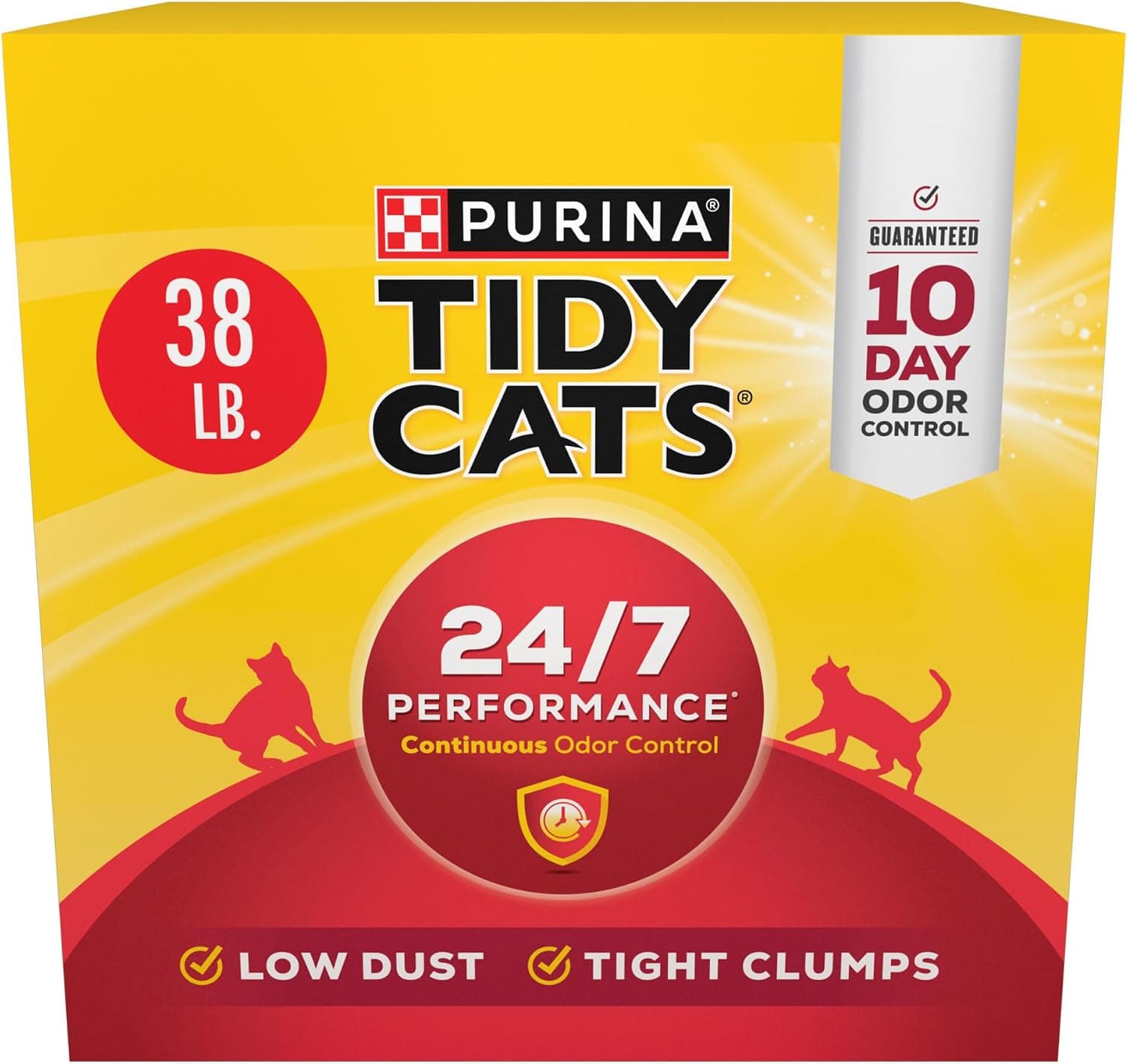
Tidy Cats
The workhorse value litter: dependable clumping and odor control at one of the lowest costs per pound in the category.
Tradeoff: Scented and dustier than premium picks — the price is the point.
Best long-lasting odor protection
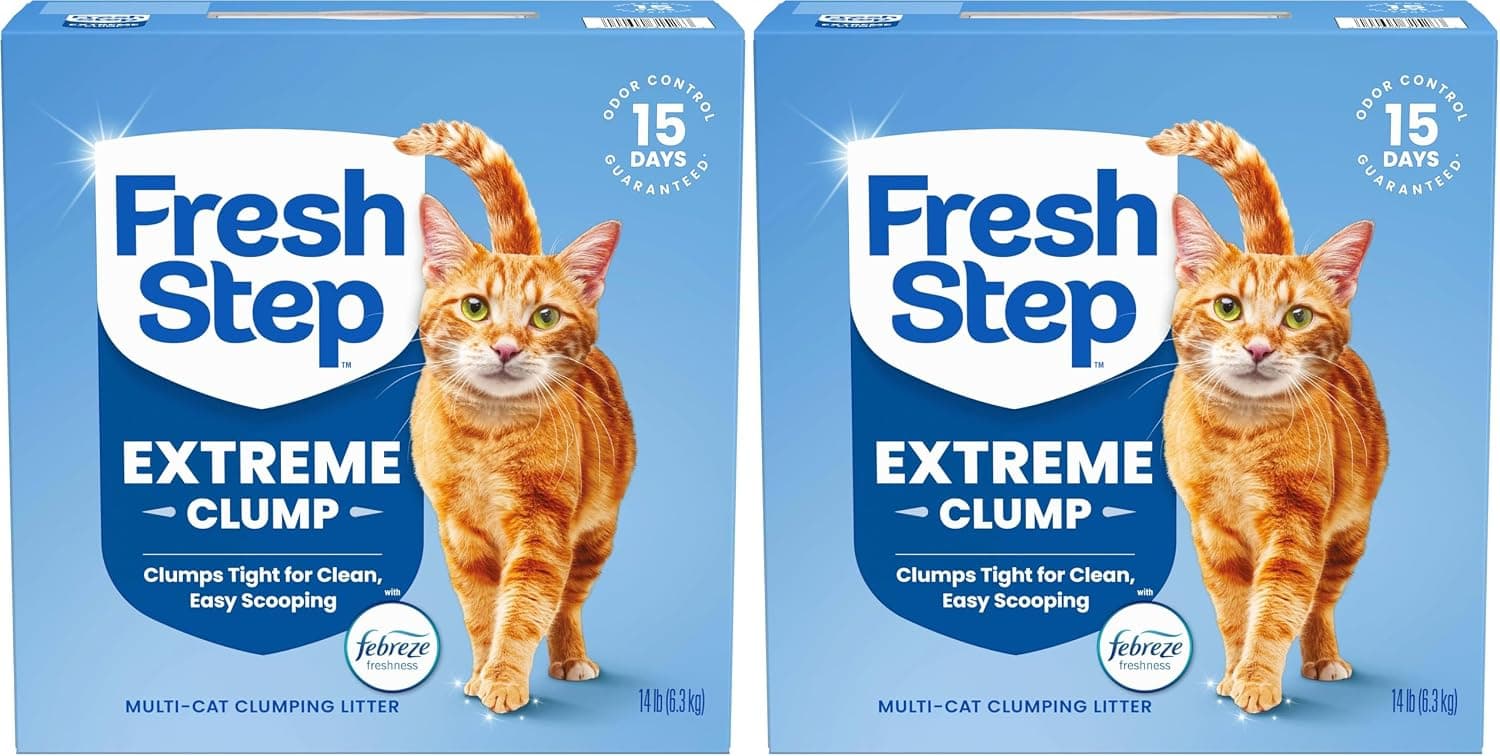
Fresh Step
Febreze-boosted clay that keeps a box smelling neutral longer between full changes than anything else at its price.
Tradeoff: Distinct Febreze scent — sample before buying bulk.
Best budget cat litter
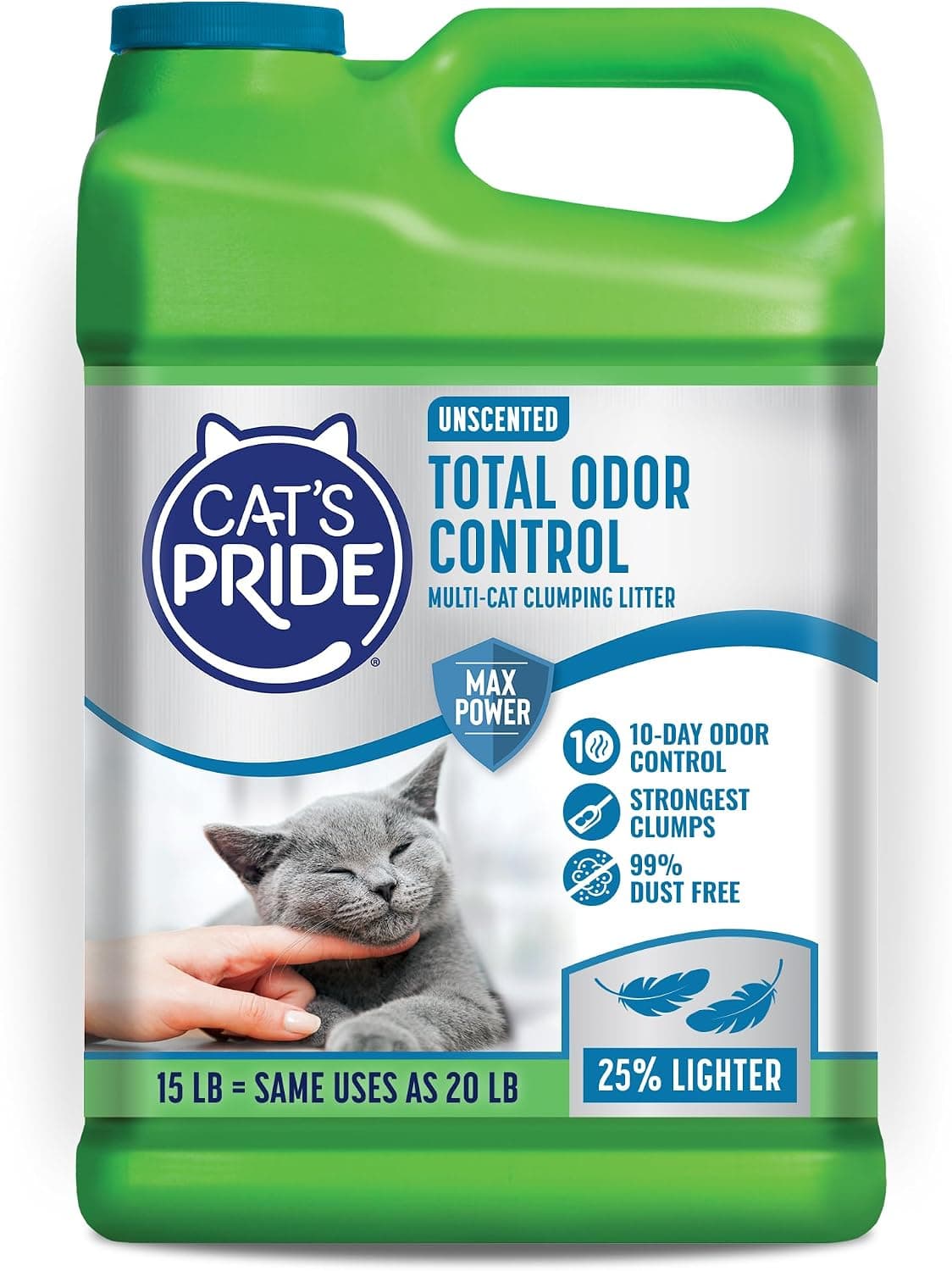
Cat's Pride
The budget sleeper: 10-day odor control and lightweight jugs at a price that beats the big names by dollars per box.
Tradeoff: Softer clumps and some tracking — the price forgives it.
16 guides on cat litter, grouped by what you're trying to work out.
Clay, silica, corn, wheat, walnut, paper and tofu — on clumping, dust, tracking and cost.
How many, what size, hooded or open, depth of litter, placement, and automatic boxes.
Scooping schedules, full changes, washing the box, and what actually removes smell rather than covering it.
Working through the medical, territorial and setup causes of a cat that stops using the box.
Transitioning without a protest, moving a box to a new room, and litter for kittens and seniors.
Clumping strength, dust level, odor control, and tracking — the four things owners actually notice, compared on what manufacturers publish and what buyers consistently report. Clay clumping litter is still the default because it clumps hard and scoops clean; the costs are weight, dust, and a mining footprint. Silica crystals control odor well and track badly. Plant-based litters — corn, wheat, walnut, paper, tofu — are lighter to carry and sometimes flushable, but clump strength varies enormously between brands. Cats are conservative about litter: most prefer a fine, soft, unscented substrate, and heavy perfume is added for humans, not for them. If your cat is avoiding the box, litter is one lever, but box count, size, depth, hood, and location matter just as much — and a sudden change in toilet habits is a reason to call a vet before buying anything. Change one variable at a time, and transition by mixing new litter into the old.
One per cat plus one, placed in different rooms rather than side by side — two boxes in the same corner function as one resource to a cat that is being guarded away from it. In a multi-level home, put at least one on each floor.
Scoop at least once a day, every day. With a good clumping litter and daily scooping, a full change and box wash every two to four weeks is typical for one cat, and more often for a shared box. Non-clumping litter needs a complete change far more frequently, usually about twice a week.
A hard-clumping unscented clay litter, scooped daily, outperforms most heavily perfumed options, because a clump you can remove intact takes the odor out of the house instead of masking it. Silica crystals control odor well but track badly. Whatever you choose, scooping frequency does more work than the product does.
Mix a small amount of the new litter into the old and increase the proportion over one to two weeks. If your cat hesitates, back off to the last mix it accepted and move more slowly. Offering a second box with the new litter alongside the original one also works, and lets the cat choose.