Best overall cat food
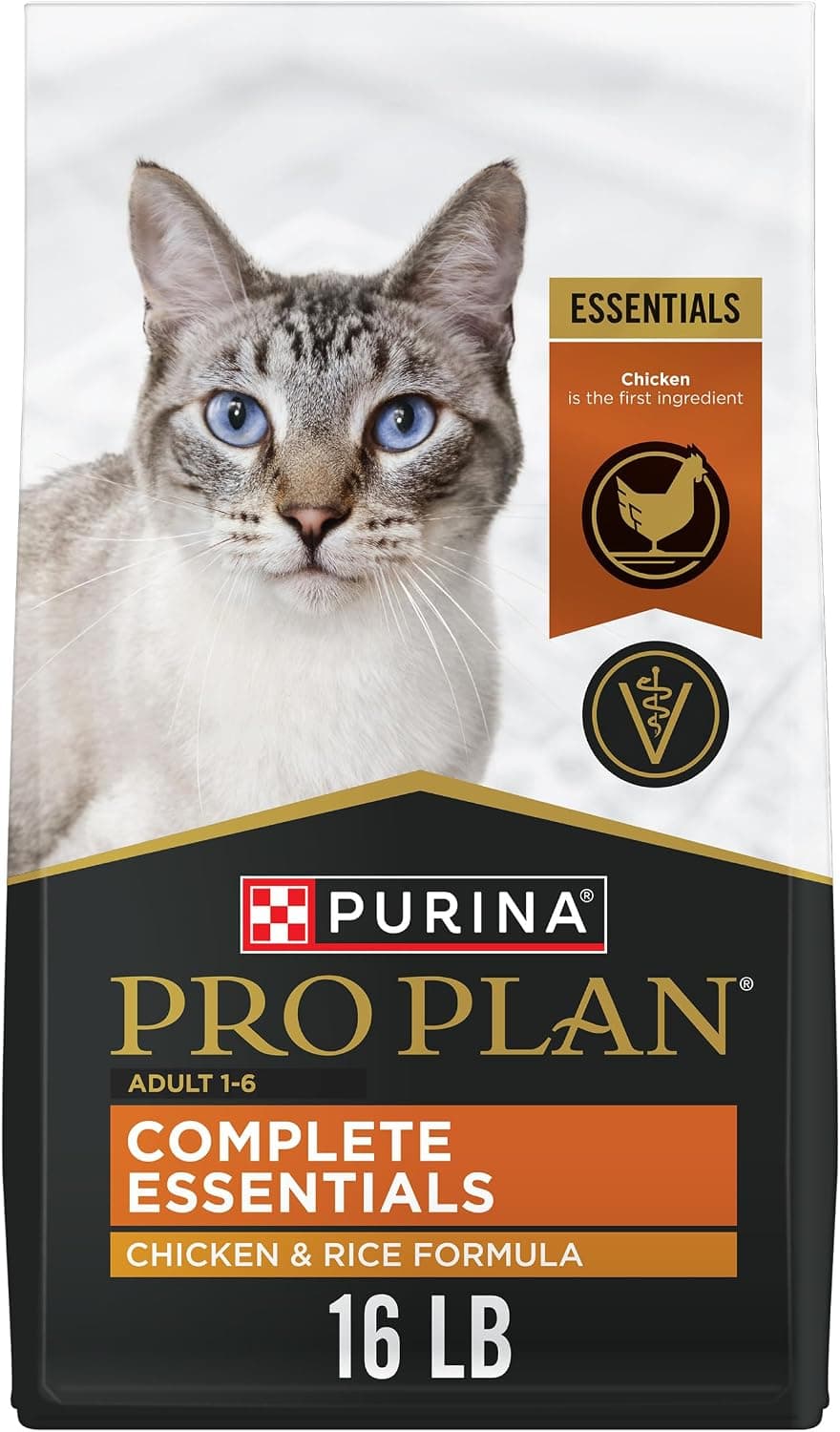
Purina Pro Plan
Purina Pro Plan Adult Chicken & Rice Dry Cat Food
4.8
🏆 Best Overall Cat Food
Tradeoff: By-product meal in the ingredient list — nutritionally sound, but it puts some owners off.
Cats are unhelpfully good at masking illness, so the useful signals are small and behavioral: hiding more, sleeping somewhere new, grooming less or over-grooming one spot, eating slowly, jumping less, or a change in what the litter box looks like. The box is the best diagnostic instrument in the house.
20 guides on health, grouped by what you're trying to work out.
What cannot wait, the behavioral changes that matter, and how to tell pain in an animal that hides it.
Vaccines, parasites, dental care, weight, and what senior bloodwork is looking for.
Kidney disease, hyperthyroidism, urinary problems, hairballs, fleas, and over-grooming.
Reading volume, frequency, consistency and blood — and which changes mean call today.
Routine and emergency costs, how pet insurance works for cats, and whether it is worth it.
Researched picks from the categories this section covers.
Best overall cat food
Purina Pro Plan
🏆 Best Overall Cat Food
Tradeoff: By-product meal in the ingredient list — nutritionally sound, but it puts some owners off.
Best for daily brushing

Virbac
🪥 Best for Daily Brushing
Tradeoff: The best toothpaste here, and only useful if you can get a brush in the mouth.
Best indoor cat food
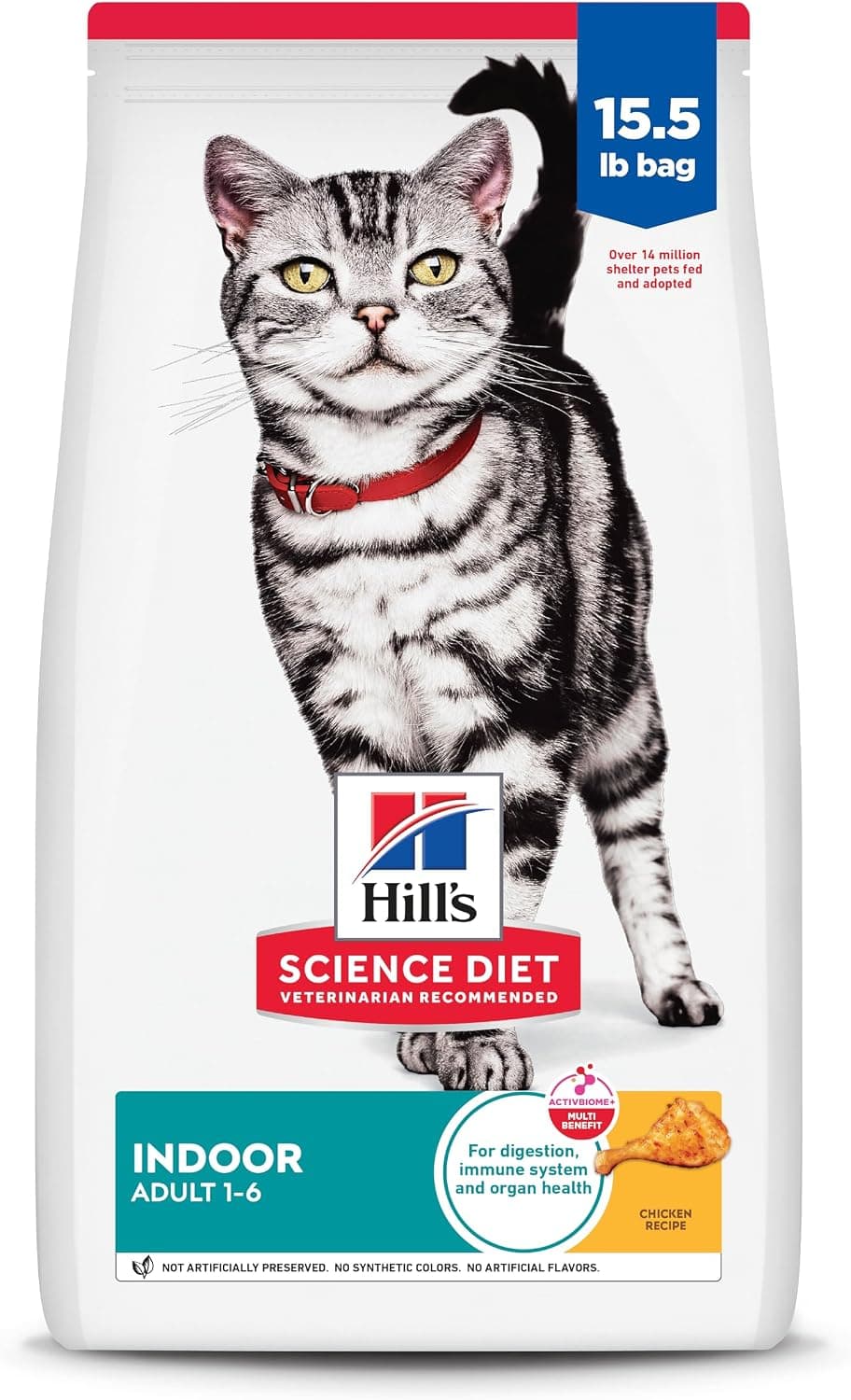
Hill's Science Diet
🏠 Best Indoor Cat Food
Tradeoff: Premium pricing for a mainstream ingredient list — you're paying for the QA.
Best high-protein cat food

Instinct
💪 Best High-Protein Cat Food
Tradeoff: Rich enough that a fast switch causes digestive upset — transition over 7-10 days.
Best premium wet cat food

Purina Pro Plan
🥫 Best Premium Wet Cat Food
Tradeoff: Every recipe in the pack is fish — rotate in poultry separately.
Best for sensitive cats

Hill's Science Diet
🩹 Best for Sensitive Cats
Tradeoff: It's a sensitivity formula, not a hypoallergenic one — chicken is still the protein.
The subtle signs cats hide, when to call the vet, and preventive care that pays off. Cats are unhelpfully good at masking illness, so the useful signals are small and behavioral: hiding more, sleeping somewhere new, grooming less or over-grooming one spot, eating more slowly, jumping less, or a change in what the litter box looks like. The box is the best diagnostic instrument in the house — volume, frequency, consistency, and blood all show up there first. Two situations are emergencies rather than appointments: a male cat straining in the box without producing urine, which can turn life-threatening within hours, and any laboured or open-mouthed breathing. A cat that stops eating needs attention quickly too. The preventive care that repays itself: dental disease caught before it becomes extractions, weight kept down, parasite prevention even for indoor cats, and bloodwork as a cat ages, so gradual kidney and thyroid changes are found while they are still manageable.
Go now for a cat straining in the litter box without producing urine — this is most common in males and can become fatal within hours — and for any open-mouthed or laboured breathing, which cats do not do unless something is badly wrong. Collapse, seizures, suspected poisoning, and a cat that has not eaten for two days also need same-day attention.
Cats rarely cry out. Look for hiding, sleeping in unusual places, reduced jumping, a hunched posture, over-grooming one area, a scruffy coat from grooming less, eating more slowly, or new irritability when handled. Any of these persisting more than a day or two is worth a call.
Yes to both, though the specific protocol should come from your vet based on where you live and your cat's exposure. Fleas arrive on other pets, on shoes, and through windows, and core vaccines protect against diseases that do not require another cat to be present. Indoor-only lowers risk; it does not remove it.
Occasional hairballs are common in long-haired cats and largely a grooming issue. Vomiting more than about once a month, vomiting that comes with weight loss, lethargy, or diarrhea, or any repeated vomiting in a short period is not routine and deserves a vet visit — it is a common early sign of several treatable conditions.