Best overall cat food
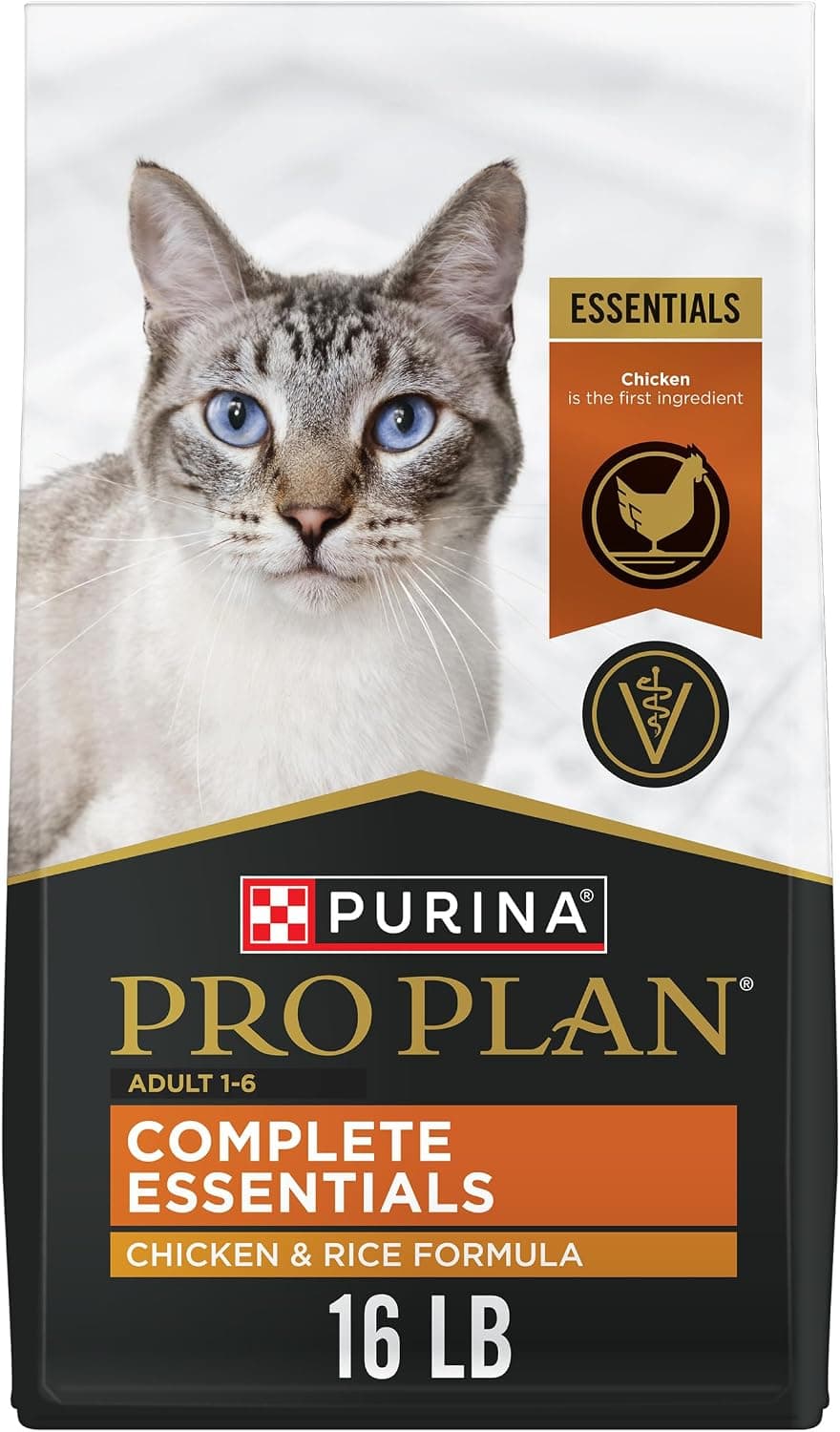
Purina Pro Plan
Purina Pro Plan Adult Chicken & Rice Dry Cat Food
4.8
🏆 Best Overall Cat Food
Tradeoff: By-product meal in the ingredient list — nutritionally sound, but it puts some owners off.
A cat is an obligate carnivore with a weak thirst drive, and those two facts explain most feeding advice: animal protein matters, and water intake is easier to raise through food than through a bowl. Portion by calories rather than by the marks on a cup, and actually measure — free-feeding is how the weight goes on quietly.
18 guides on food & nutrition, grouped by what you're trying to work out.
Calorie needs for indoor and outdoor cats, meal frequency, and measuring portions that hold weight steady.
What each format actually does for hydration, teeth, cost and convenience — and how to combine them.
Reading the label, AAFCO statements, protein sources, and which claims on the front mean nothing.
Safe, unsafe, and the ones that are fine in a quantity smaller than you think.
Fussy eaters, overweight indoor cats, food allergies, and appetite changes that need a vet.
Researched picks from the categories this section covers.
Best overall cat food
Purina Pro Plan
🏆 Best Overall Cat Food
Tradeoff: By-product meal in the ingredient list — nutritionally sound, but it puts some owners off.
Best indoor cat food
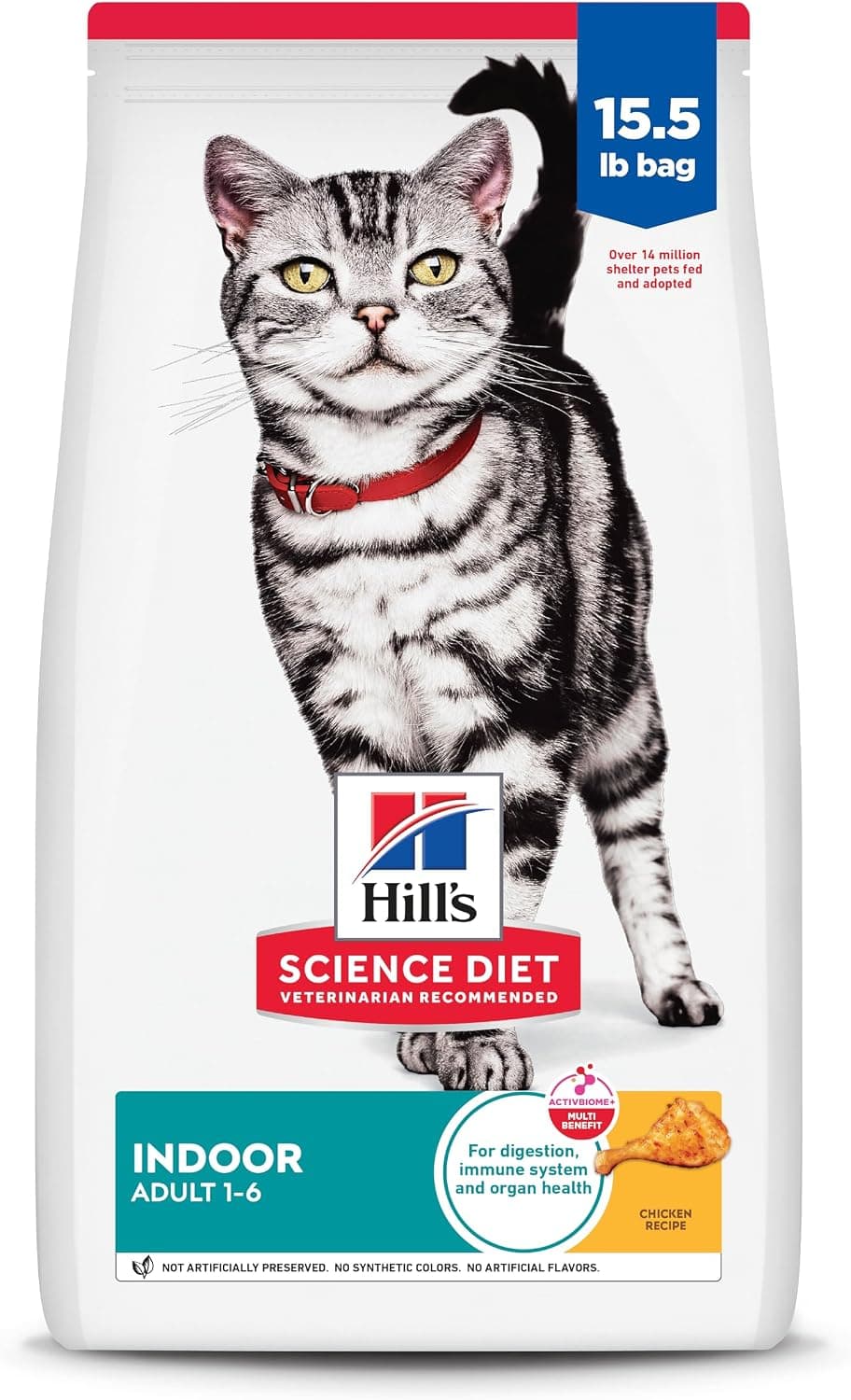
Hill's Science Diet
🏠 Best Indoor Cat Food
Tradeoff: Premium pricing for a mainstream ingredient list — you're paying for the QA.
Best high-protein cat food
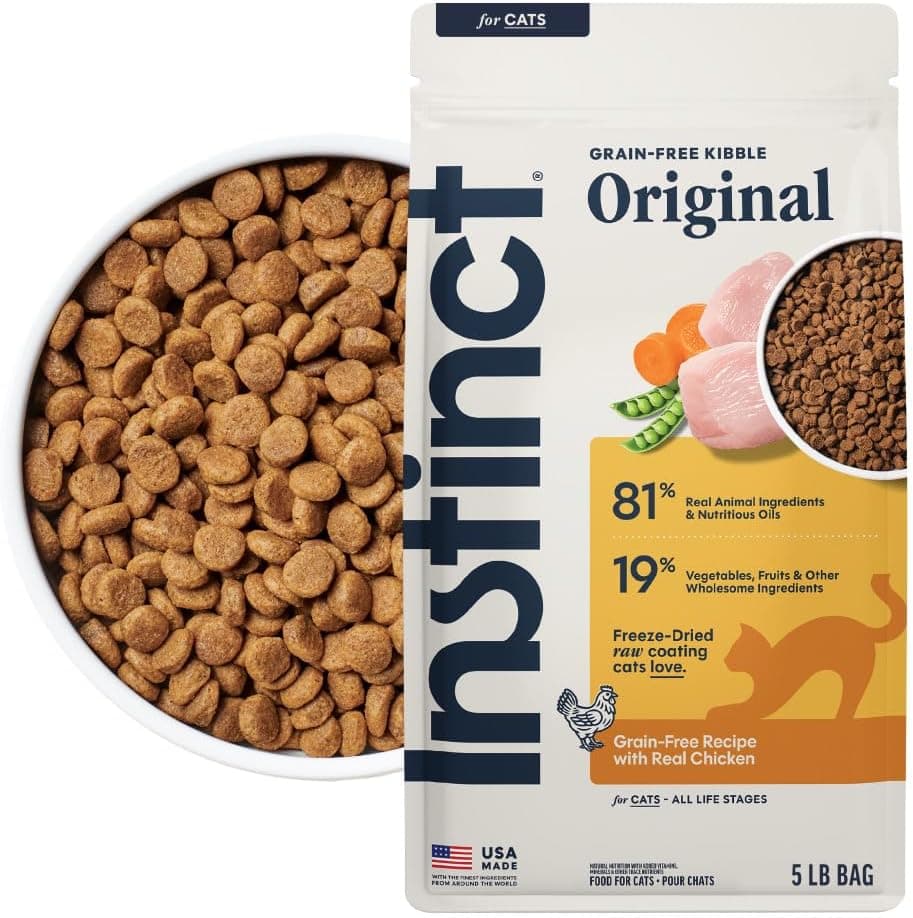
Instinct
💪 Best High-Protein Cat Food
Tradeoff: Rich enough that a fast switch causes digestive upset — transition over 7-10 days.
Best premium wet cat food
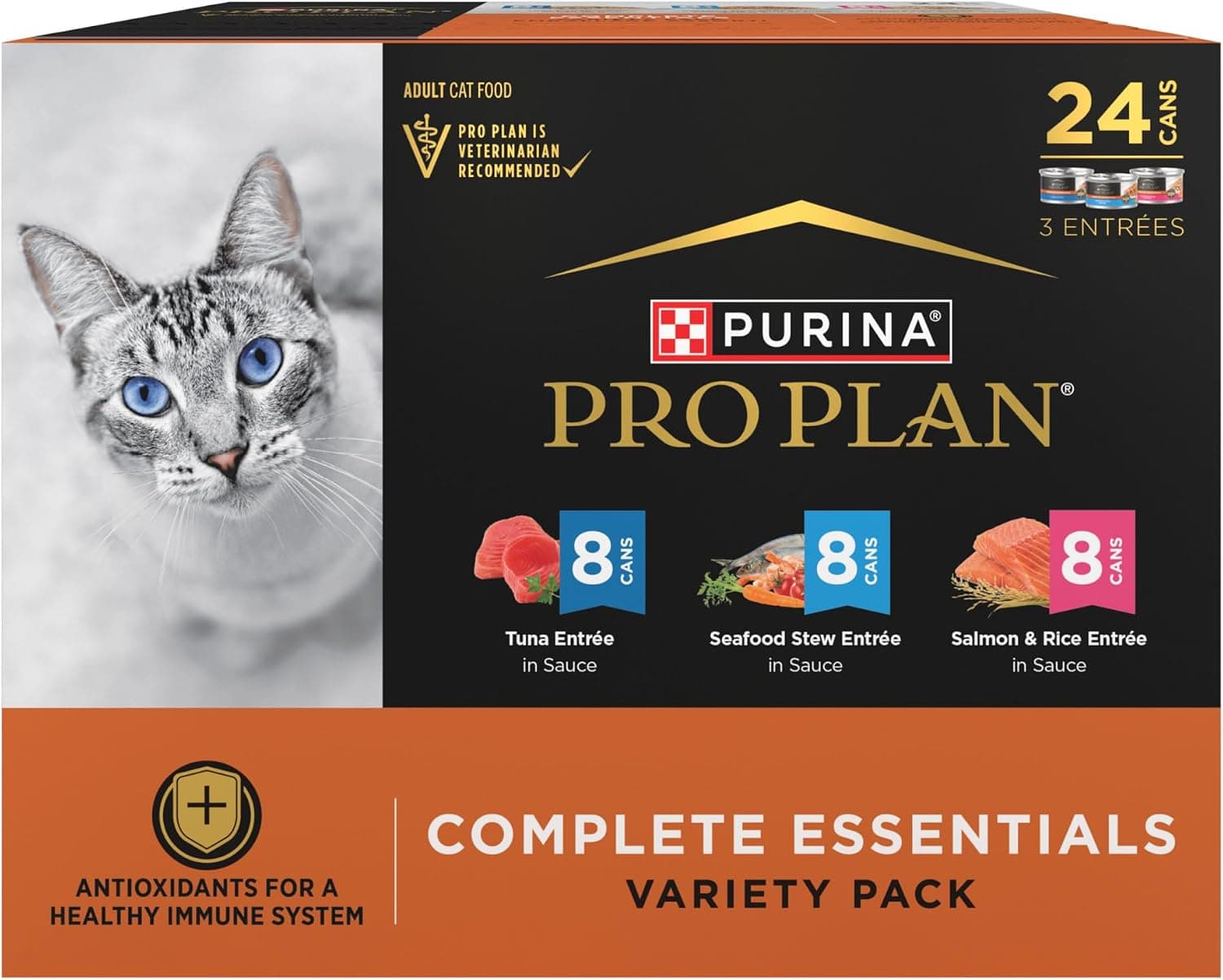
Purina Pro Plan
🥫 Best Premium Wet Cat Food
Tradeoff: Every recipe in the pack is fish — rotate in poultry separately.
Best for sensitive cats
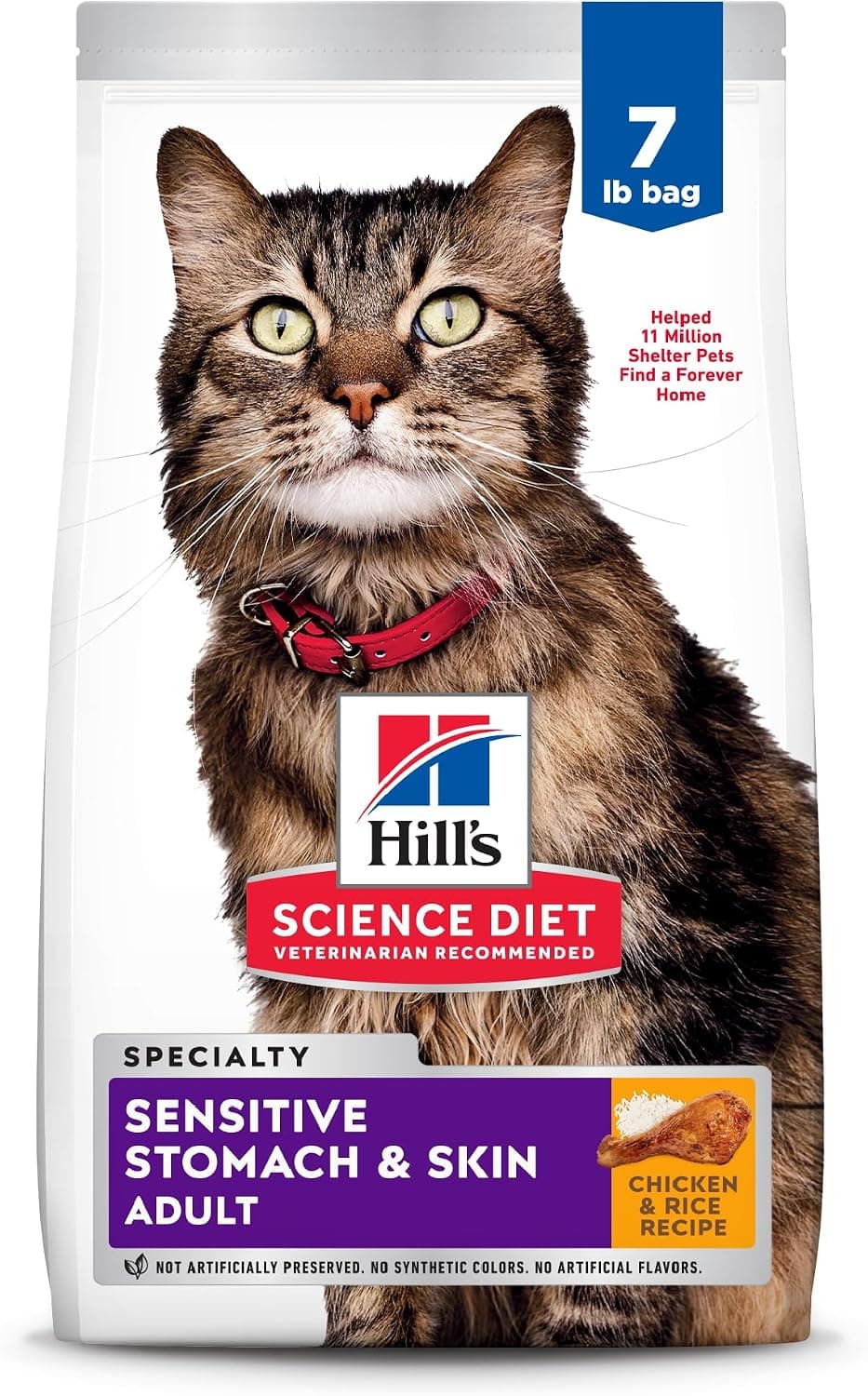
Hill's Science Diet
🩹 Best for Sensitive Cats
Tradeoff: It's a sensitivity formula, not a hypoallergenic one — chicken is still the protein.
Best high-protein premium cat food
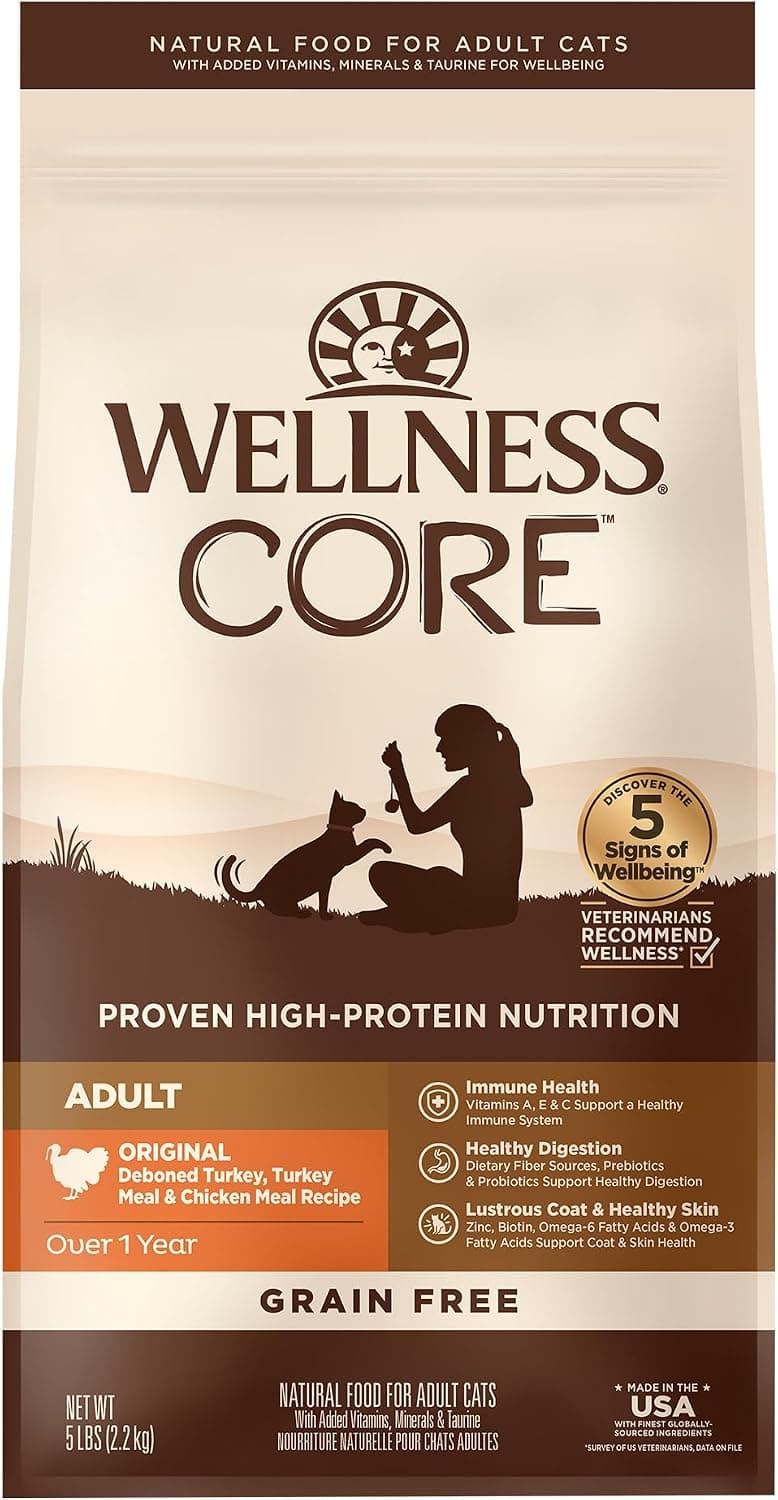
Wellness
💪 Best High-Protein Premium Cat Food
Tradeoff: Premium price and grain-free — ask your vet if DCM risk applies to your cat.
Wet vs dry, portioning for indoor cats, and which foods earn their price. A cat is an obligate carnivore with a weak thirst drive, and those two facts explain most feeding advice: animal protein matters, and water intake is easier to raise through food than through a bowl. Wet food is largely water, which is the practical case for feeding some of it; dry food is cheaper per calorie and more convenient, which is the case against feeding only wet. Portion by calories rather than by the marks on a cup, and actually measure — an indoor cat needs less than most bowls suggest, and free-feeding is how the weight goes on quietly. Cats are neophobic about food and can fixate on a single texture, so variety introduced early saves trouble later, when a diet has to change for medical reasons. Changes should be gradual. And a cat that stops eating for more than a day or two is an urgent problem, not a fussy one.
Wet food is roughly three-quarters water, which helps a species that does not drink much on its own, and it is usually lower in carbohydrate. Dry is cheaper per calorie, easier to leave out, and easier to measure. Many owners land on wet meals plus a measured amount of dry, which gets most of the hydration benefit without the cost or the waste.
Most indoor adult cats need meaningfully fewer calories than an active outdoor cat of the same weight, and the exact figure depends on weight, age, and whether they are neutered. Work from the calorie content of your specific food rather than from cup marks, weigh the cat every month or two, and adjust from the trend rather than from a single reading.
Treat it as urgent rather than as fussiness. Cats that go without food for more than a day or two can develop hepatic lipidosis, a serious liver condition, and loss of appetite is also one of the earliest signs of dental pain, kidney disease, and many other problems. Call your vet rather than waiting it out.
Most adult cats are lactose intolerant, so cow's milk tends to cause diarrhea even though they will happily drink it. It is not toxic, but it is not a treat worth giving. If you want to raise water intake, wet food and a fountain do far more than any milk product.