Best feather toy

Go Cat
Go Cat Da Bird Single Pole Feather Teaser Wand
4.8
🪶 Best Feather Toy
Tradeoff: String and feathers are a swallow risk — put it away between sessions.
Most cat behavior that reads as spite is a cat solving a problem in a way the household did not want. Punishment does not work on cats and reliably teaches them to avoid you rather than the behavior. Reward what you want, arrange the environment so the unwanted option is inconvenient, and give an indoor cat something to climb, watch and hunt every day.
19 guides on behavior, grouped by what you're trying to work out.
Why cats scratch, where to put a post so it gets used, and redirecting a cat that has chosen the sofa.
Peeing outside the box, spraying, and working out whether it is medical, territorial, or the box itself.
Night zoomies, bitey hands, overstimulation, and aggression between cats or toward people.
Kneading, purring, slow blinks, tail positions, meowing at you, and the stare.
Introducing a new cat, resource competition, bullying, and keeping the peace long term.
Researched picks from the categories this section covers.
Best feather toy
Go Cat
🪶 Best Feather Toy
Tradeoff: String and feathers are a swallow risk — put it away between sessions.
Best premium heavy-duty post
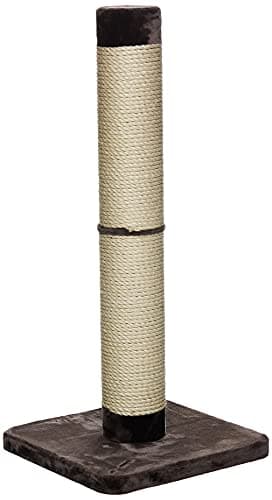
MidWest
🏋️ Best Premium Heavy-Duty Post
Tradeoff: Premium price — for cats that really work the post.
Best overall cat toy
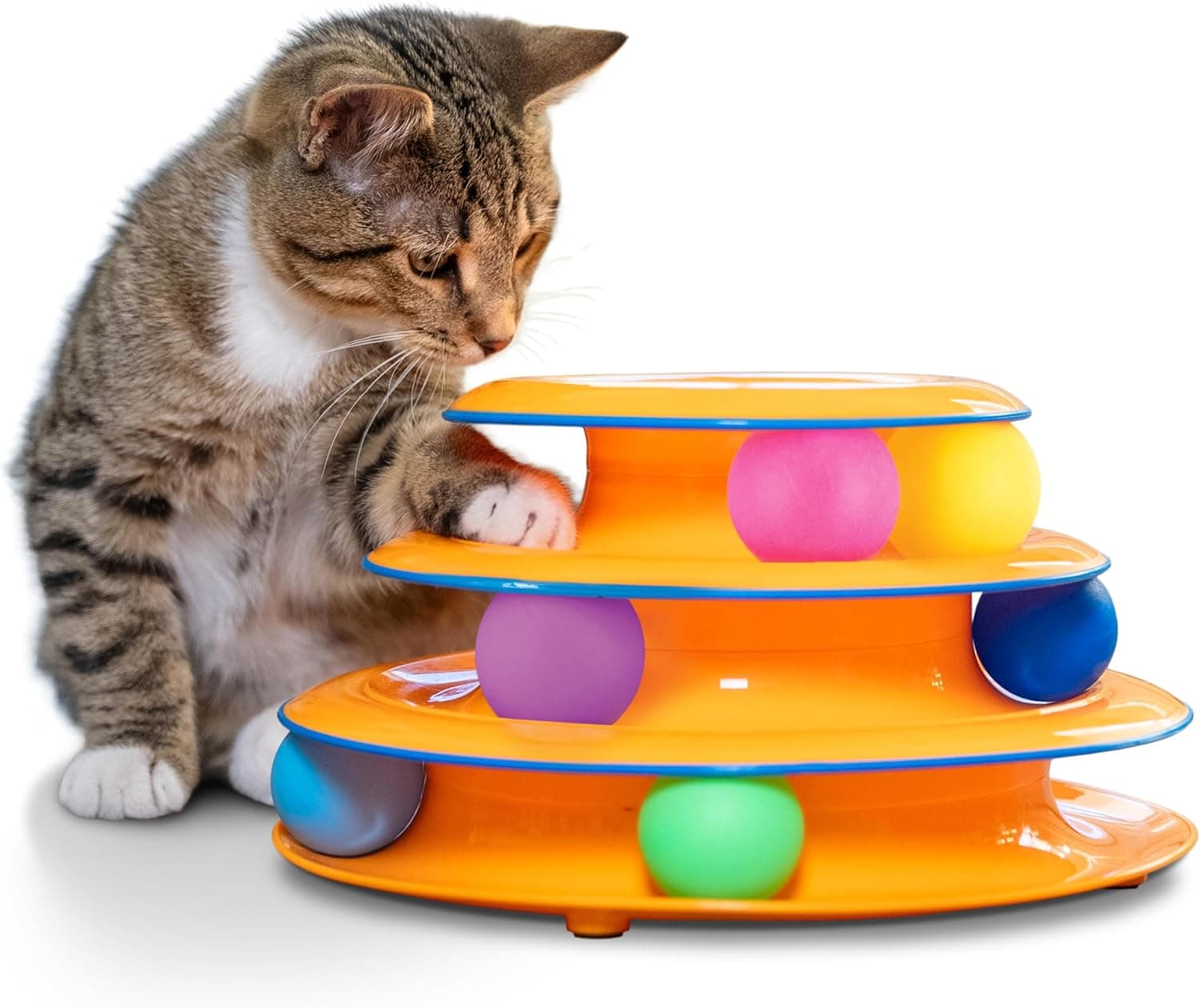
Catstages
🏆 Best Overall Cat Toy
Tradeoff: It clatters on hardwood — expect to hear it at 3 a.m.
Best overall vertical scratching post
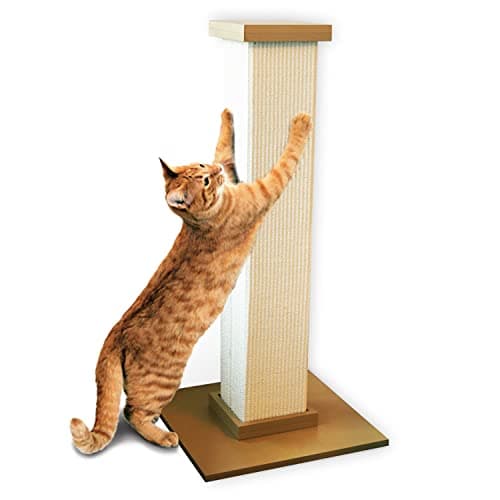
SmartCat
🏆 Best Overall Vertical Scratching Post
Tradeoff: No perches — it's a post, not a tree.
Best premium cat tree
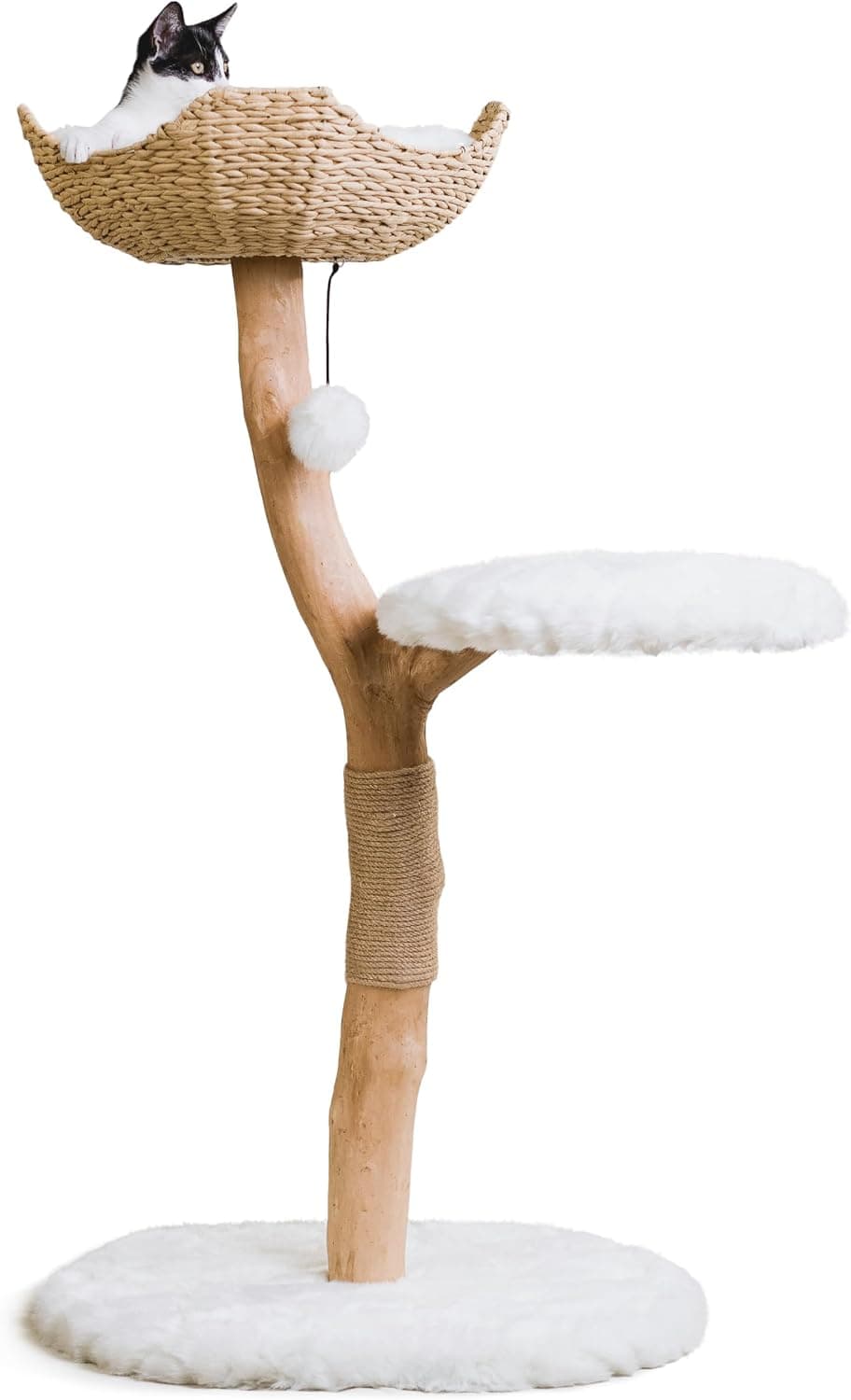
Mau Lifestyle
The furniture-grade tree: real wood branches, washable cushions, and a silhouette you'd choose even without a cat.
Tradeoff: You're paying furniture prices for pet furniture.
Best wand toy
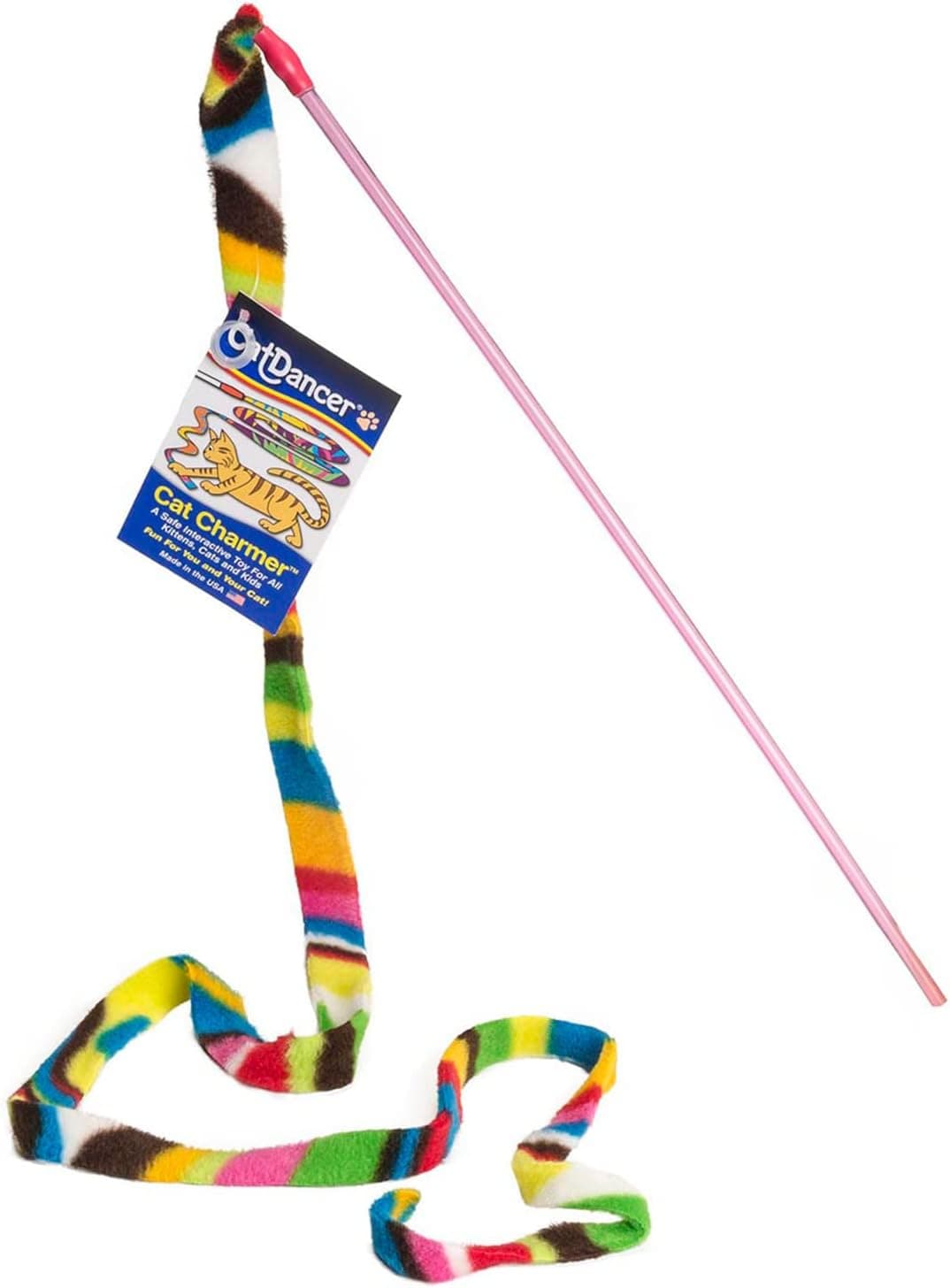
Cat Dancer
🧶 Best Wand Toy
Tradeoff: Never store it within reach — swallowed ribbon means surgery.
Why cats knead, stare, and get the zoomies — and how to redirect scratching before the sofa loses. Most cat behavior that reads as spite is a cat solving a problem in a way the household did not want. Scratching is not damage-seeking: it maintains the claws, stretches the body, and leaves a scent mark, which is why the answer is a better surface in the right place rather than a deterrent. Late-night activity is normal for a crepuscular animal, and a proper play session followed by a meal in the evening does more than shutting a door. Litter box avoidance is the behavior most likely to be medical, so it is a vet call before it is a training problem. Punishment does not work on cats and reliably teaches them to avoid you rather than the behavior. Reward what you want, arrange the environment so the unwanted option is inconvenient, and give an indoor cat something to climb, watch, and hunt every day.
Put a tall, stable scratching surface directly beside the piece being scratched — not in another room — and make sure it is tall enough for a full stretch and heavy enough not to wobble. Reward use of it. If the post has been ignored, try a horizontal cardboard pad, because some cats scratch flat rather than upright. Declawing is not an alternative; it amputates bone.
Rule out medical causes first — urinary tract disease, crystals and kidney problems all present this way, and a male cat straining is an emergency. Once a vet has cleared that, look at the box: how clean it is, how many there are, how big, whether it is hooded, and where it sits. Punishment makes this worse in every case.
Cats are crepuscular, most active around dawn and dusk, so a burst of energy late in the evening is normal rather than a problem. The practical fix is a proper interactive play session that ends in a catch, followed by a meal — hunt, catch, eat, sleep is the sequence a cat's day is built around.
Slowly, and by smell before sight. Keep them fully separated at first, swap bedding and rub-cloths between rooms, then feed them on opposite sides of a closed door, then allow brief supervised visual contact through a barrier before any free access. Rushing this is the single most common cause of a lasting conflict between two cats.