Best overall dog toy
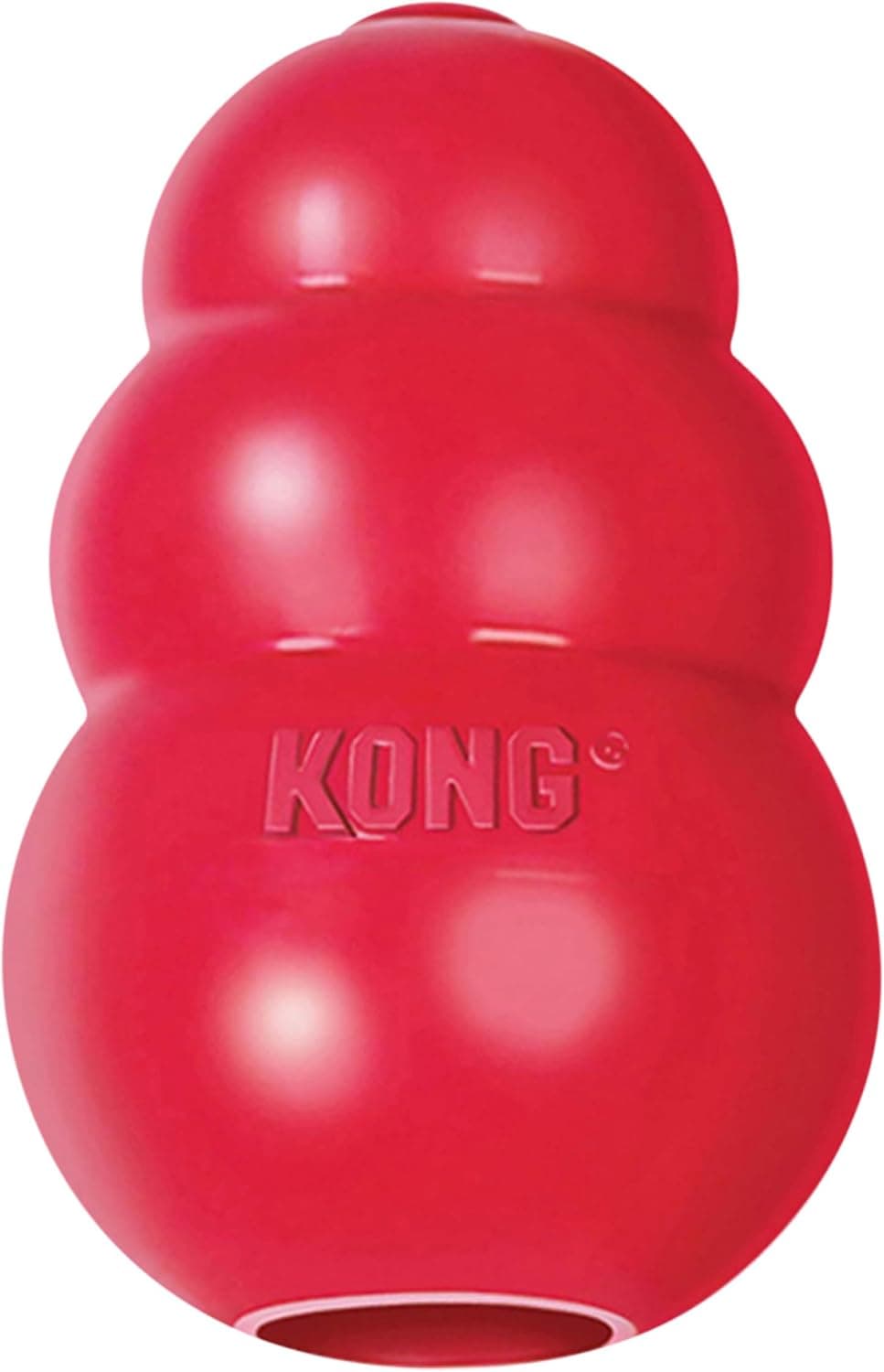
KONG
KONG Classic Stuffable Rubber Dog Toy (Medium)
4.8
🏆 Best Overall Dog Toy
Tradeoff: The red compound handles normal chewing — a serious chewer needs the Extreme.
The recurring mistake in dog gear is buying for the puppy in front of you instead of the dog it becomes. The second is paying for features that solve a problem you do not have. What genuinely deserves money is anything that carries weight or takes load; the rest is comfort, and comfort is where budget picks tend to hold up fine.
14 guides on supplies & gear, grouped by what you're trying to work out.
Fill types, orthopedic claims, crate styles, and sizing both of them correctly.
Front-clip versus back-clip, hardware strength, fit, and what to avoid near traffic.
Materials and hygiene, slow feeders, elevated bowls, and automatic feeders.
Matching a toy to the chewer, puzzle feeders, and the failure modes worth knowing.
How to measure a dog for a crate, harness, collar, bed, or coat.
Researched picks from the categories this section covers.
Best overall dog toy
KONG
🏆 Best Overall Dog Toy
Tradeoff: The red compound handles normal chewing — a serious chewer needs the Extreme.
Best for power chewers
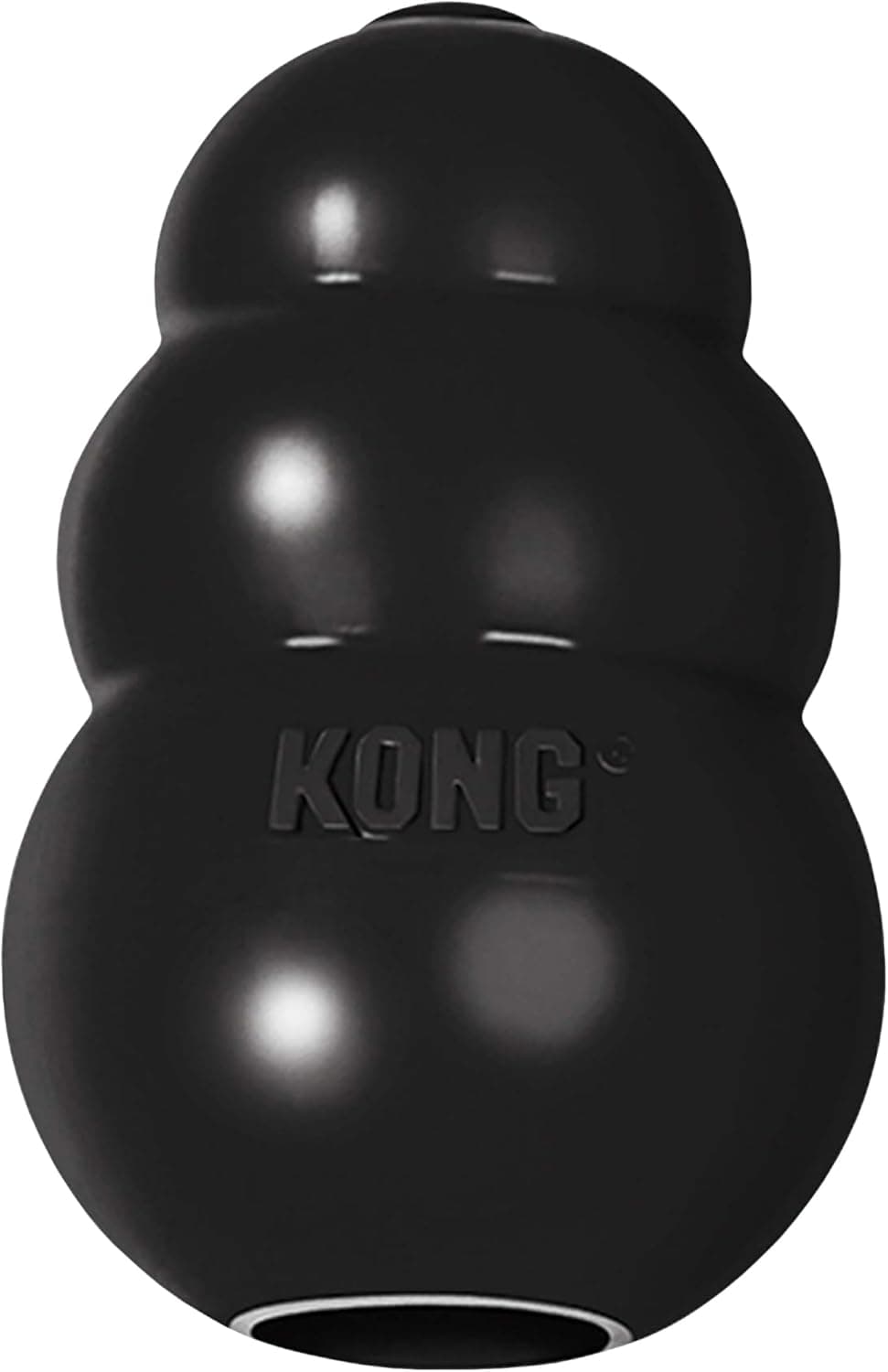
KONG
💪 Best for Power Chewers
Tradeoff: The toughest KONG still needs inspecting — replace it once pieces start coming off.
Best for long-distance fetch
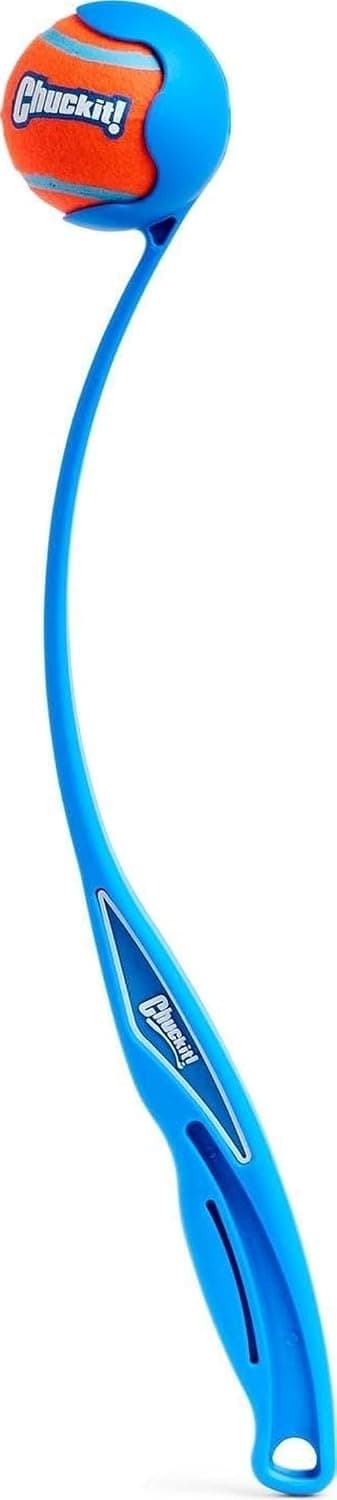
Chuckit!
🎾 Best for Long-Distance Fetch
Tradeoff: Fits only 2.5" balls, so your existing tennis balls won't load.
Best puppy chew toy
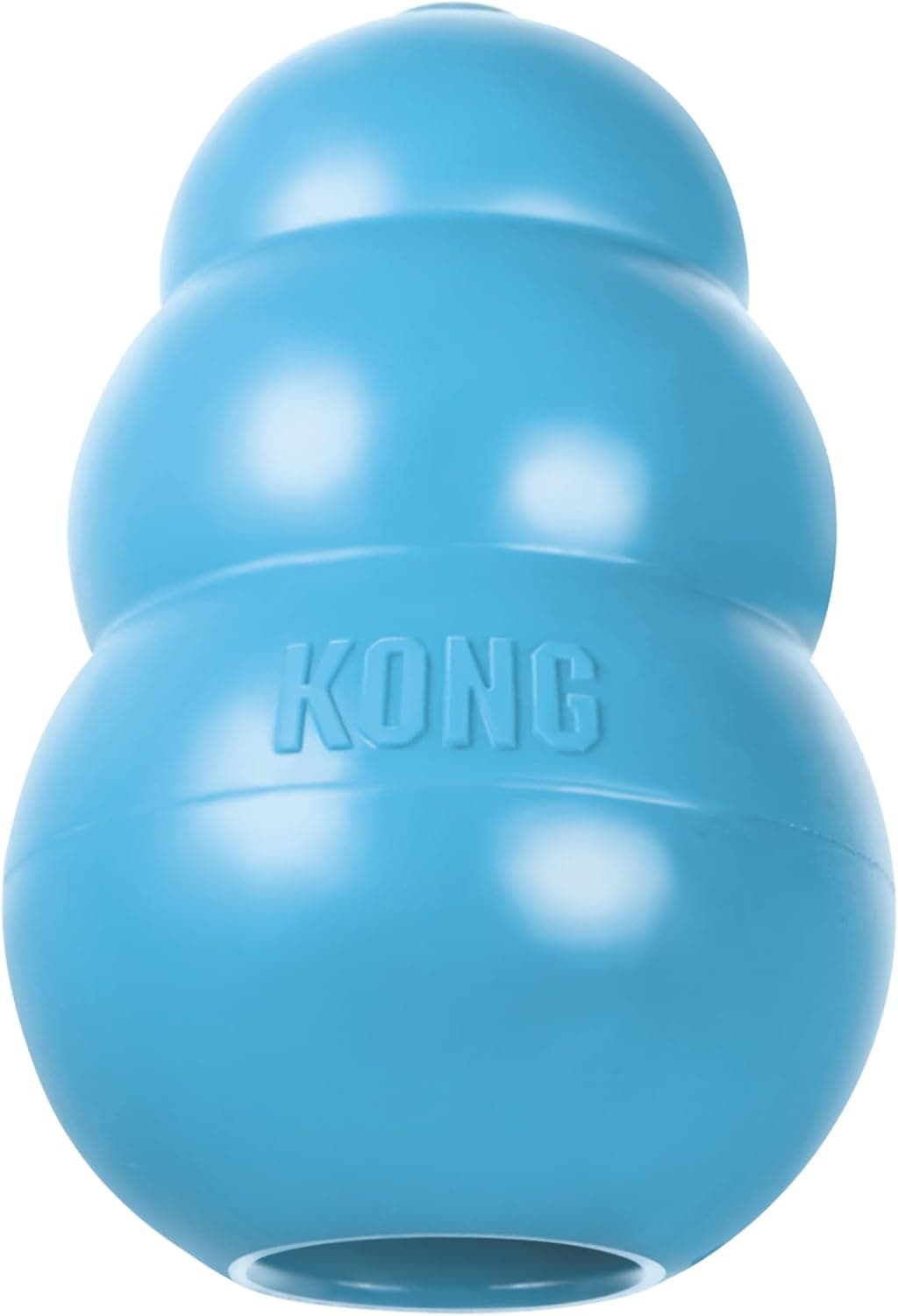
KONG
The single most recommended puppy toy in existence: soft-rubber chew, treat-stuffable, and the foundation of alone-time training.
Tradeoff: Heavy chewers graduate to the Classic fast.
Best overall dog bed
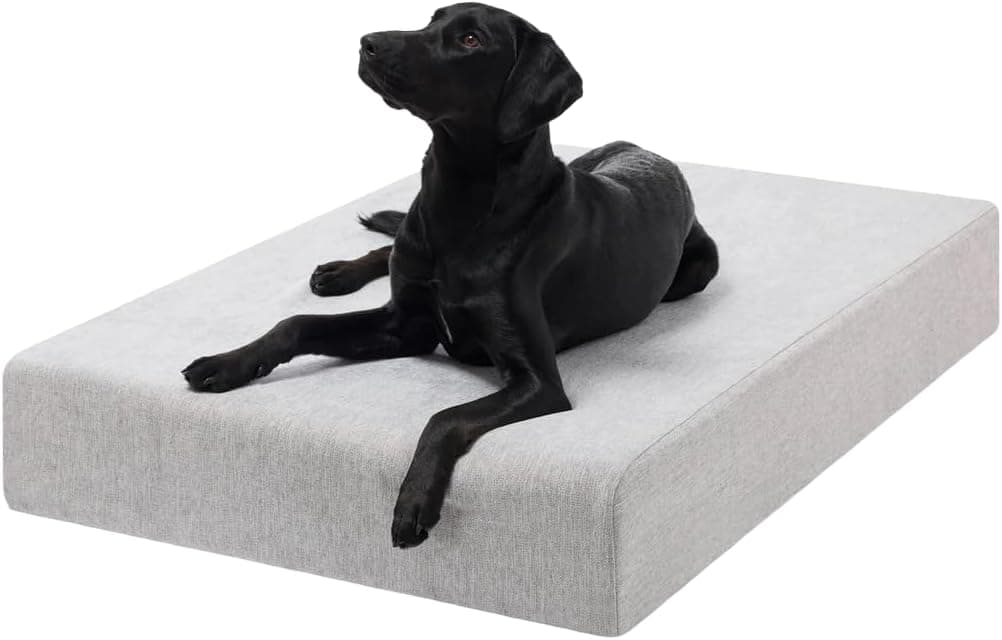
Big Barker
🏆 Best Overall Dog Bed
Tradeoff: Roughly three times the price of anything else here — you are buying the warranty and the clinical evidence.
Best crate for most dogs
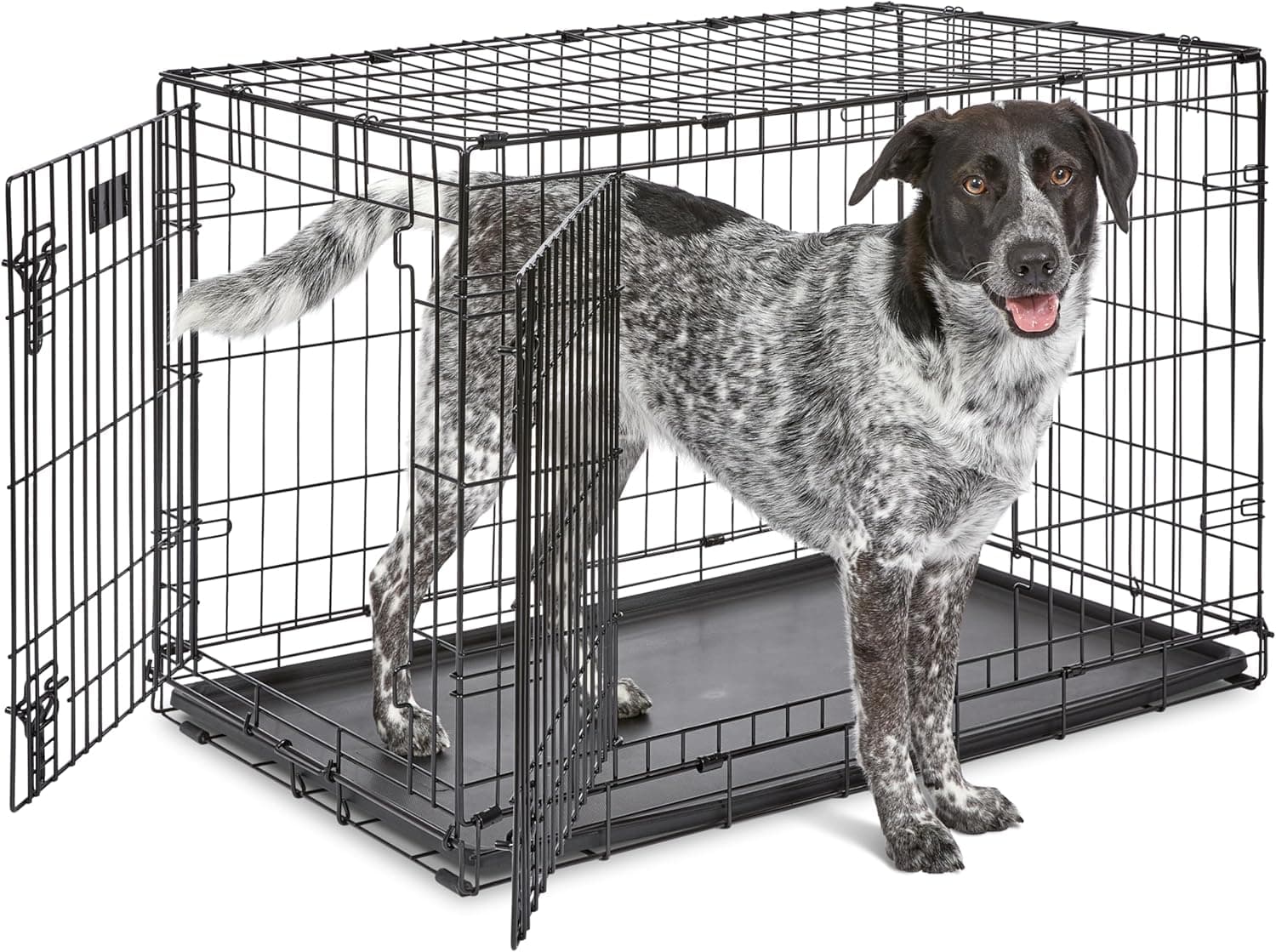
MidWest Homes for Pets
🏆 Best Overall Crate
Tradeoff: Determined escape artists can bend the wire.
Beds, crates, leashes, bowls, and tech — compared on real specs so you buy once. The recurring mistake in dog gear is buying for the puppy in front of you instead of the dog it becomes: crates, collars, harnesses, and beds all get replaced early when bought to fit today. Where a divider or an adjustable fitting exists, use it and buy the adult size. The second mistake is paying for features that solve a problem you do not have — a heavy-duty crate for a dog that has never tried to escape one, a cooling bed in a temperate climate, a tracker for a dog that has never left the yard. What genuinely deserves the money is anything that carries weight or takes load: the hardware on a harness or leash, the foam in a bed for an old or heavy dog, and whatever is holding a dog still in a moving car. The rest is comfort, and comfort is where budget picks tend to hold up fine.
Big enough to stand without ducking, turn around, and lie flat on its side — and no bigger. Spare room lets a puppy soil one end and sleep in the other, which is the exact habit crate training exists to prevent. Buy for the adult size and shrink it with a divider while the puppy grows.
For a heavy, old, or arthritic dog, yes — but read the fill description rather than the label, because orthopedic is a marketing word with no legal definition. A solid slab of foam holds its shape; shredded foam and fiber compress into a pancake within months. For a young light dog, a cheap washable bed is the right call.
A harness for walking, a collar for ID tags. Collars concentrate force on the throat and are not the right tool for restraining a dog that lunges. If your dog pulls, a front-clip harness gives you a redirect; if it already walks nicely, a back-clip is more comfortable and costs you no leverage you actually need.
Not near traffic or other dogs. The thin line is hard to see and hard to grab, the lock is a mechanical part that can fail under load, and at full extension you have no meaningful control. They have a place in open space with a dog that is otherwise reliable, and almost nowhere else.