Best overall dog toy
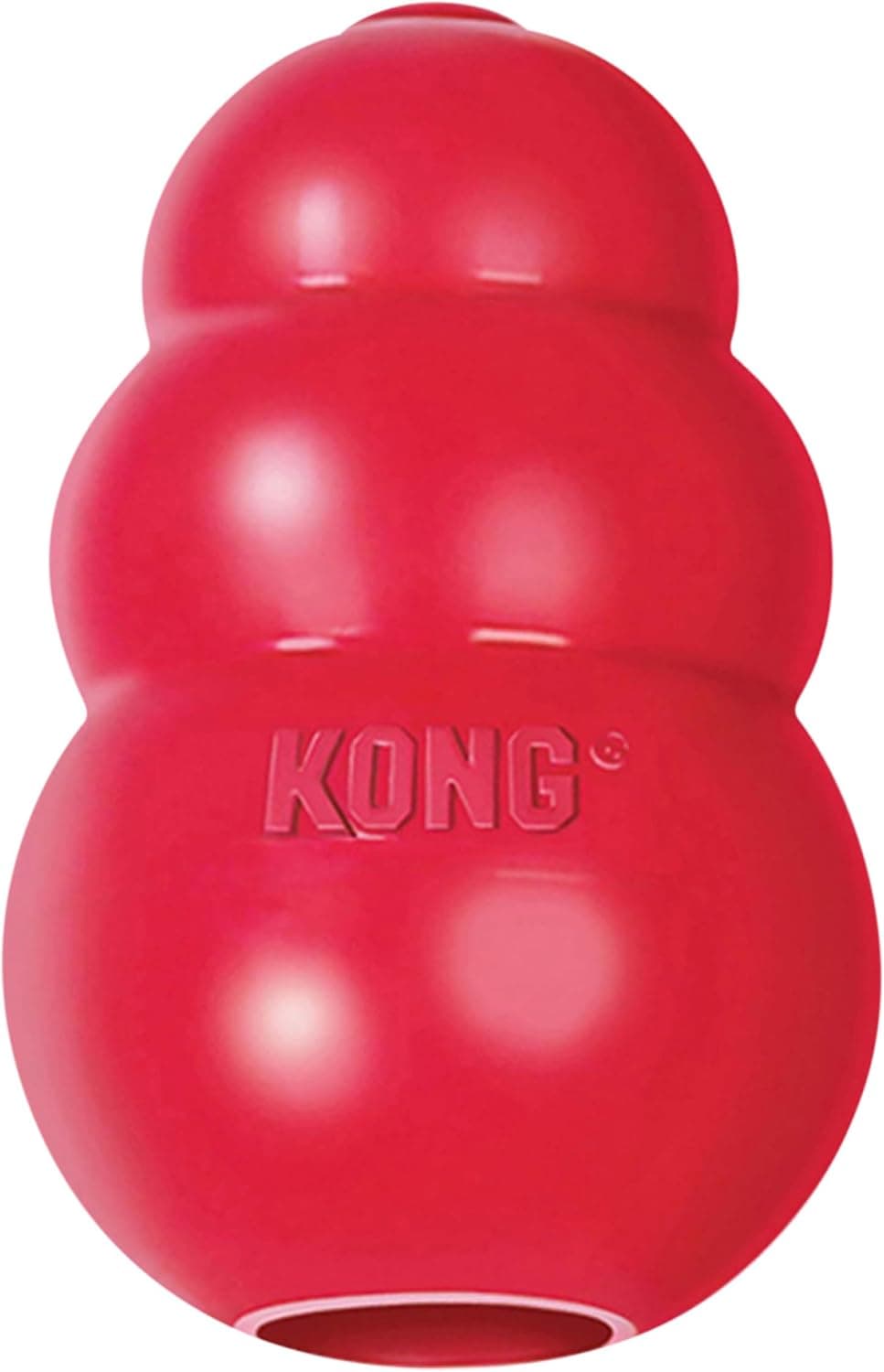
KONG
KONG Classic Stuffable Rubber Dog Toy (Medium)
4.8
🏆 Best Overall Dog Toy
Tradeoff: The red compound handles normal chewing — a serious chewer needs the Extreme.
The early window matters more than anything you buy. The weeks in which a puppy readily accepts new people, surfaces, sounds and handling are limited, and calm positive exposure during that period does more for the adult dog than any later training will. Nearly everything alarming at this stage is a stage.
20 guides on puppies, grouped by what you're trying to work out.
What to have ready, night one, settling in, and the first vet visit.
How much, how often, which food, and when to move to adult food.
House training, crate training, name recognition, and stopping the biting.
Teething, adolescence, neutering timing, and what size they will end up.
Researched picks from the categories this section covers.
Best overall dog toy
KONG
🏆 Best Overall Dog Toy
Tradeoff: The red compound handles normal chewing — a serious chewer needs the Extreme.
Best for power chewers
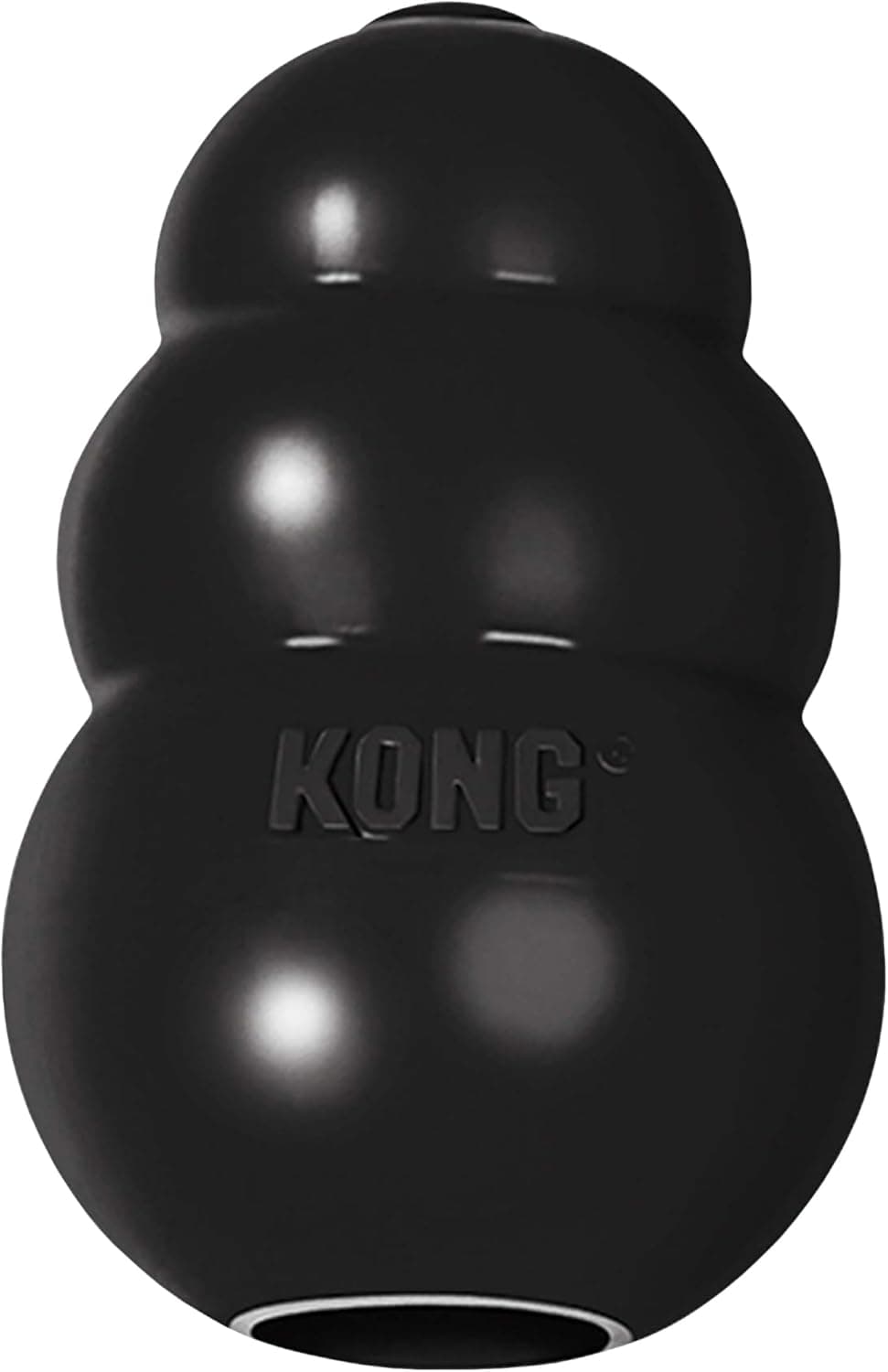
KONG
💪 Best for Power Chewers
Tradeoff: The toughest KONG still needs inspecting — replace it once pieces start coming off.
Best for long-distance fetch
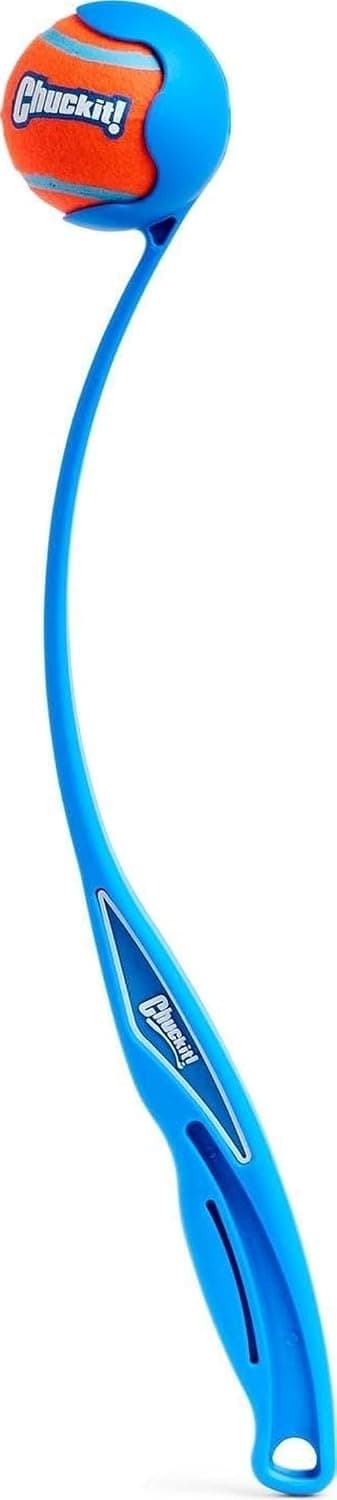
Chuckit!
🎾 Best for Long-Distance Fetch
Tradeoff: Fits only 2.5" balls, so your existing tennis balls won't load.
Best puppy chew toy
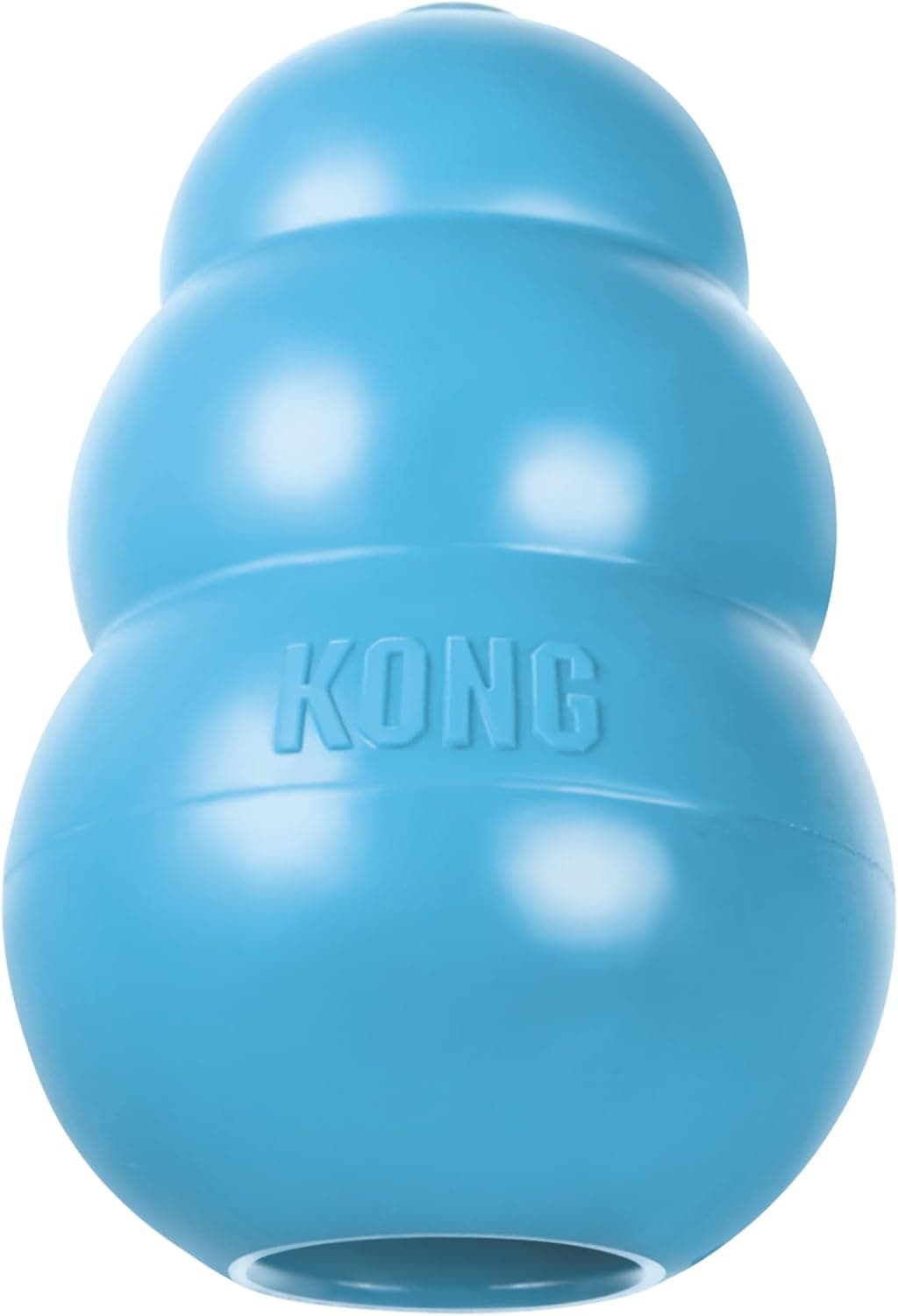
KONG
The single most recommended puppy toy in existence: soft-rubber chew, treat-stuffable, and the foundation of alone-time training.
Tradeoff: Heavy chewers graduate to the Classic fast.
Best crate for most dogs
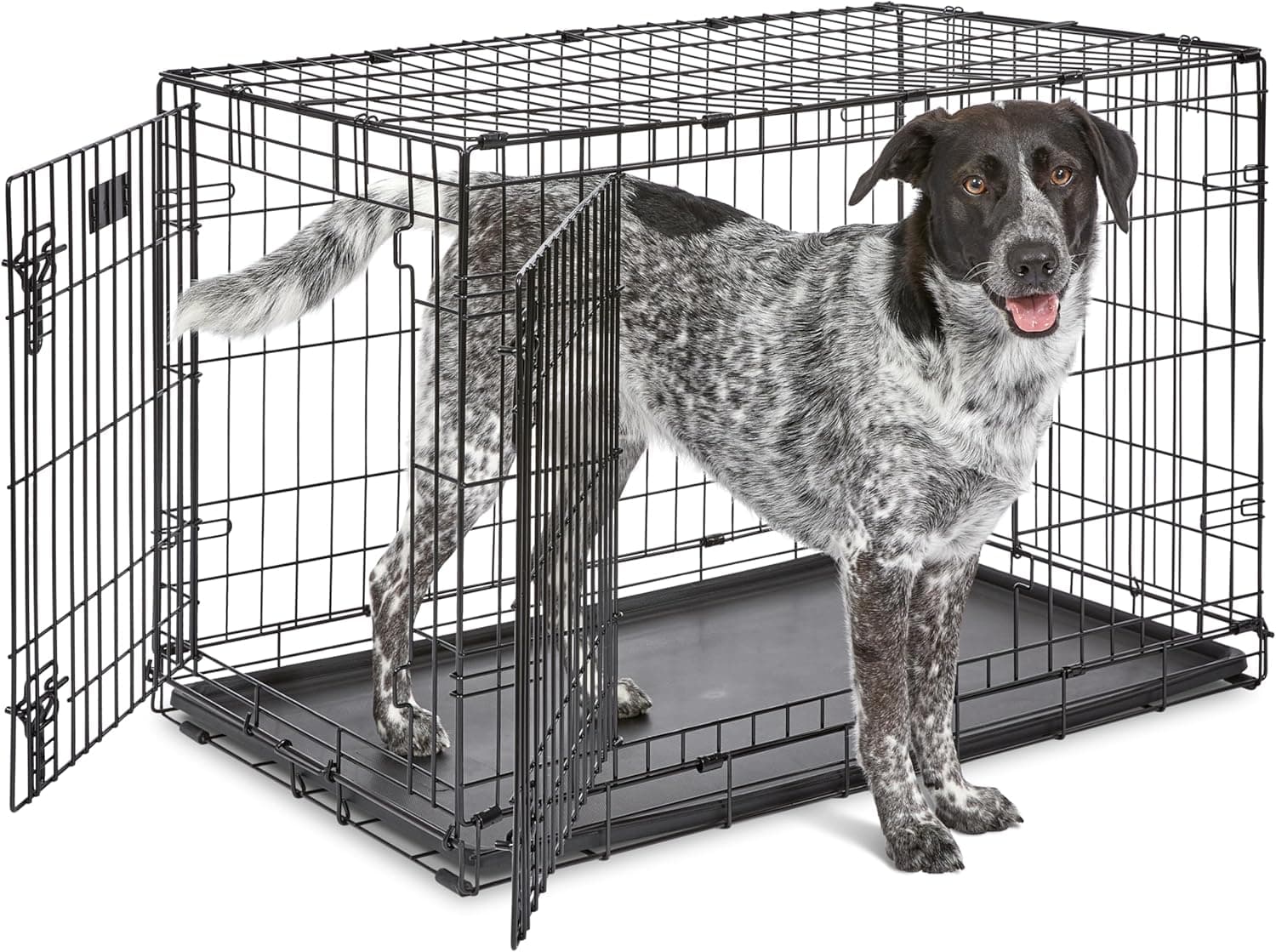
MidWest Homes for Pets
🏆 Best Overall Crate
Tradeoff: Determined escape artists can bend the wire.
Best for mental stimulation
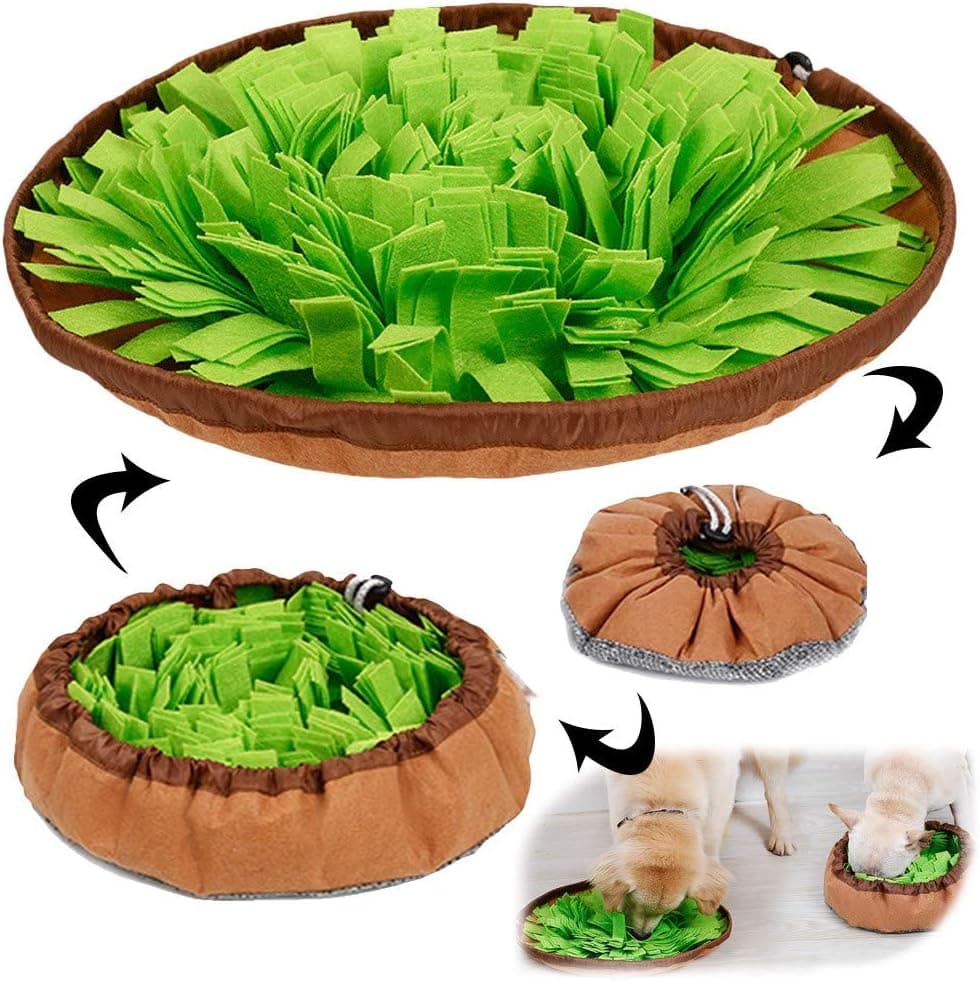
AWOOF
🧠 Best for Mental Stimulation
Tradeoff: Supervise it — some dogs decide the mat itself is the snack.
The first year, stage by stage — setup, socialization, feeding, and surviving the chewing phase. The early window matters more than anything you buy: the weeks in which a puppy readily accepts new people, surfaces, sounds, and handling are limited, and calm positive exposure during that period does more for the adult dog than any later training will. Balance that against your vet's guidance on where an incompletely vaccinated puppy can safely go — carried outings and controlled meetings with healthy vaccinated dogs are the usual compromise. Expect to feed more often than an adult dog, and to switch to adult food at a point that depends on the breed's eventual size, with large breeds needing a slower growth curve. Biting is normal and outgrown. Chewing is not something to stop, only to redirect. Buy crates, collars, and harnesses for the adult size wherever an adjustment or divider makes that possible. Sleep will be broken for a few weeks, and nearly everything alarming at this stage is a stage.
Roughly four meals a day up to about twelve weeks, three a day until around six months, and twice a day after that. Small breeds need the frequent end of that because they are prone to low blood sugar. Divide the daily amount across meals rather than adding a meal to it.
That is a question for your own vet, because the answer depends on local disease risk and the vaccine schedule they are following. The common middle ground is carried outings, private gardens, and meetings with known, healthy, fully vaccinated dogs during the socialization window, with dog parks and public ground waiting until the course is complete.
Redirect onto something it is allowed to bite, every time, and end the game briefly when teeth find skin — a short, boring pause teaches more than a scold. Puppies bite hardest when overtired, so a bitey spell late in the evening is usually a nap problem rather than a training one.
Most puppies have their full adult set by around six to seven months, with the worst of the chewing in the middle of that. Frozen chews and appropriate chew toys get you through it. Baby teeth still present once the adult tooth is in are worth mentioning at the next vet visit.
Socialization & vaccines
The window, what to expose them to safely, and how the vaccine schedule interacts with it.