Best overall dog food
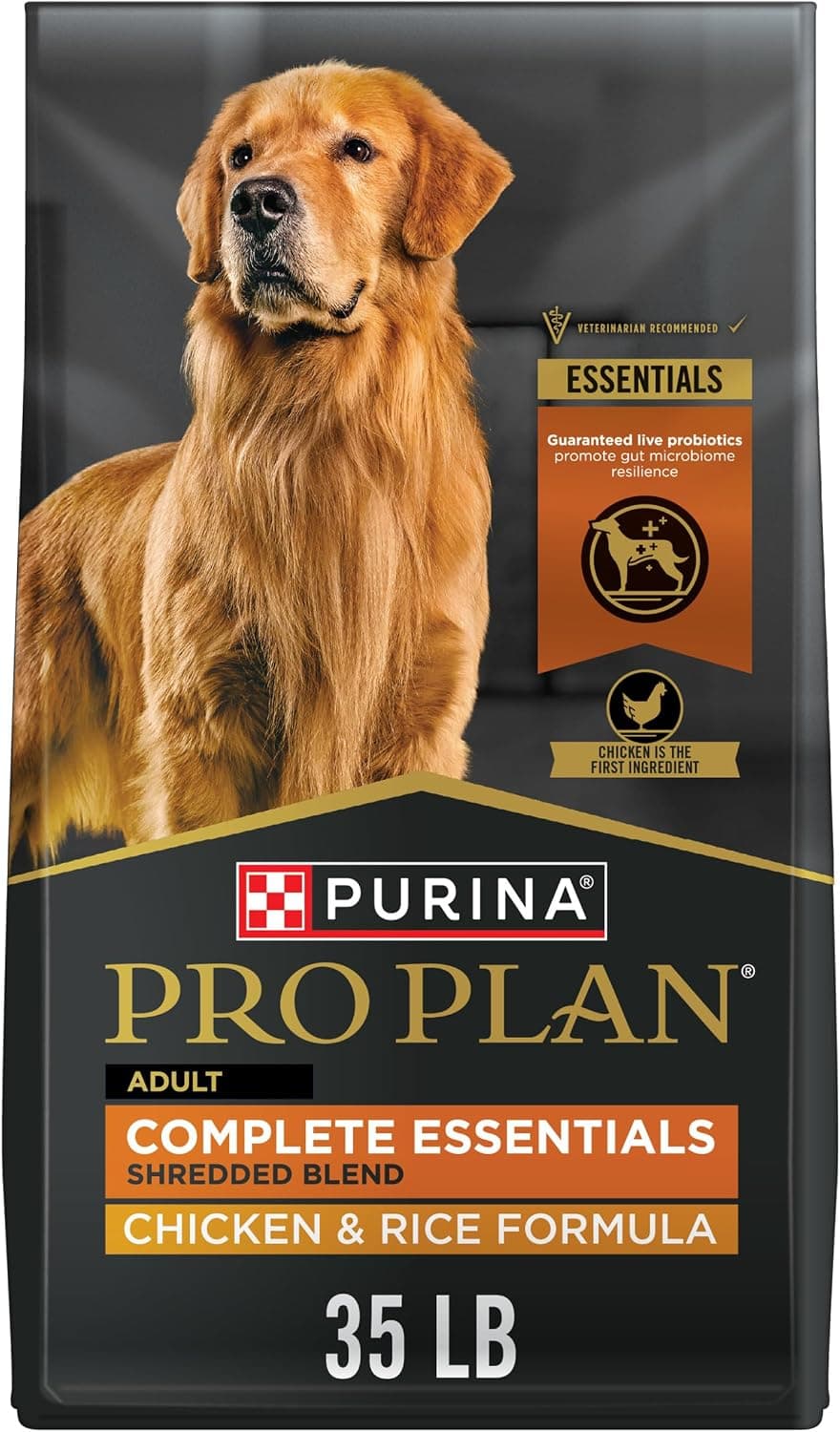
Purina Pro Plan
Purina Pro Plan Adult Chicken & Rice Dry Dog Food
4.8
🏆 Best Overall Dog Food
Tradeoff: By-product meal in the ingredient list — nutritionally sound, but it puts some owners off.
Most feeding questions come down to three numbers and one habit: the calories your dog needs, the calories per cup in the bag you actually bought, the share of the day going to treats — and a hands-on body-condition check every few weeks. The guideline printed on the bag is a starting point calculated for an average dog, not a prescription for yours.
18 guides on food & nutrition, grouped by what you're trying to work out.
Portion sizes, calorie math, meal frequency, and how to tell by eye and by hand whether you have it right.
Reading the label, what AAFCO statements mean, wet versus dry, and which marketing claims are regulated.
The safe list, the dangerous list, and sensible portions for the foods that fall in between.
What changes at each life stage, when to switch, and how large-breed growth differs.
Fussy eaters, food allergies, weight gain, and the appetite changes that are a vet call rather than a preference.
Researched picks from the categories this section covers.
Best overall dog food
Purina Pro Plan
🏆 Best Overall Dog Food
Tradeoff: By-product meal in the ingredient list — nutritionally sound, but it puts some owners off.
Best for sensitive stomachs
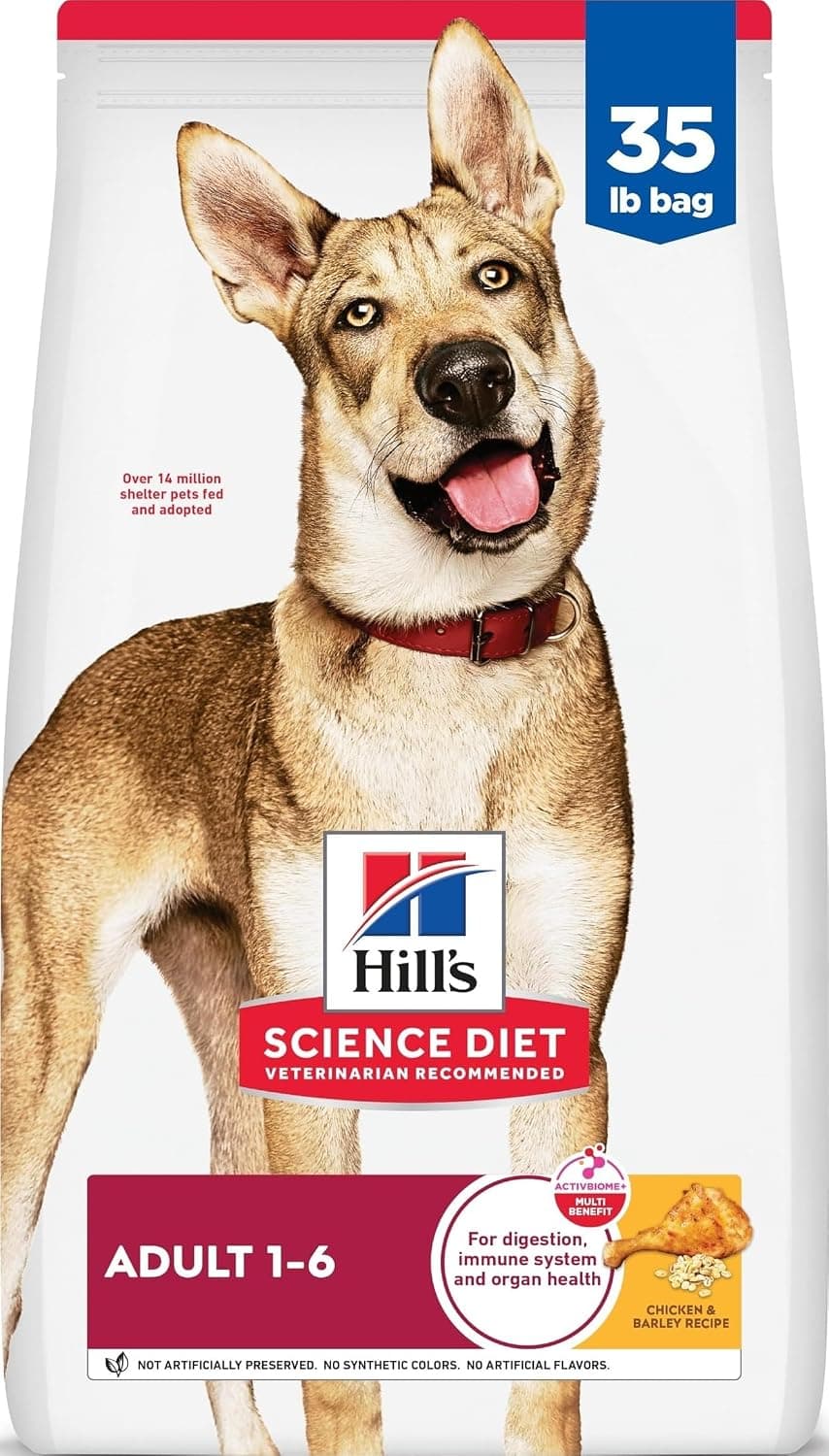
Hill's Science Diet
🌿 Best for Sensitive Stomachs
Tradeoff: Costs more per pound than Pro Plan for similar manufacturer standards.
Best high-protein dog food
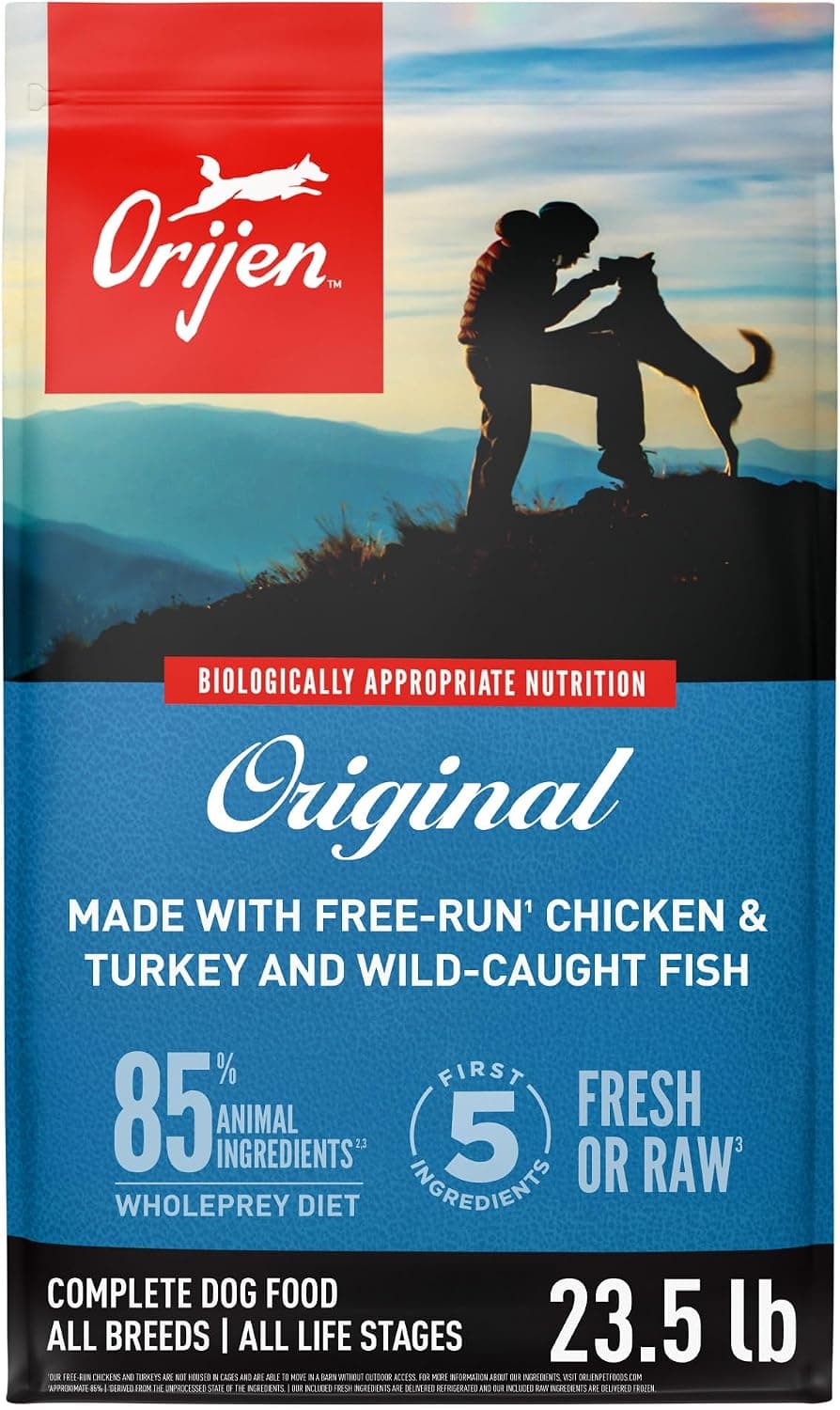
ORIJEN
💪 Best High-Protein Dog Food
Tradeoff: The richest food here — the price and the transition period both bite.
Best ethically sourced ingredients
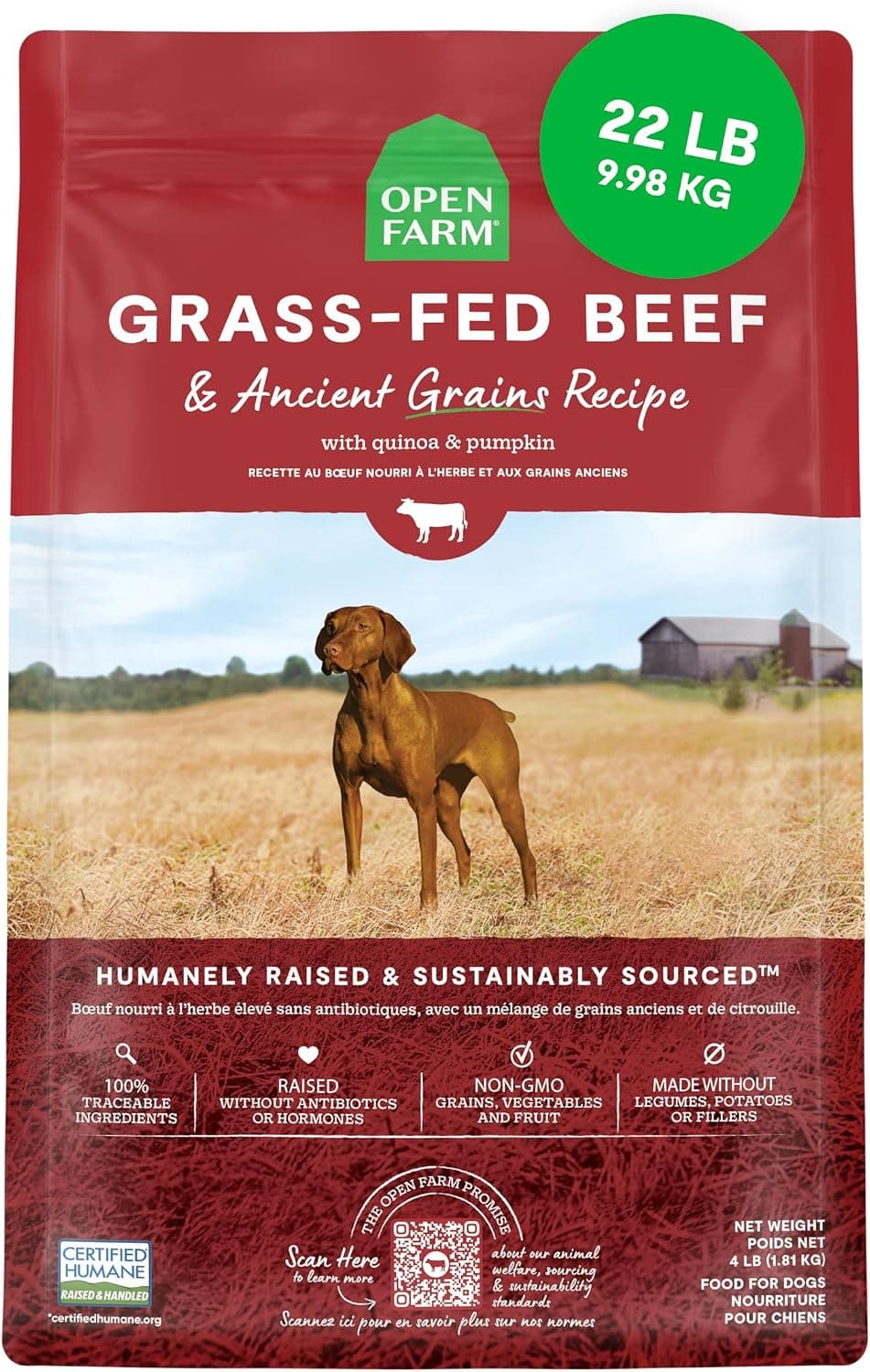
Open Farm
🌍 Best Ethically Sourced Ingredients
Tradeoff: You are paying for verified sourcing, and it is the priciest bag on this page.
Best single-ingredient treat
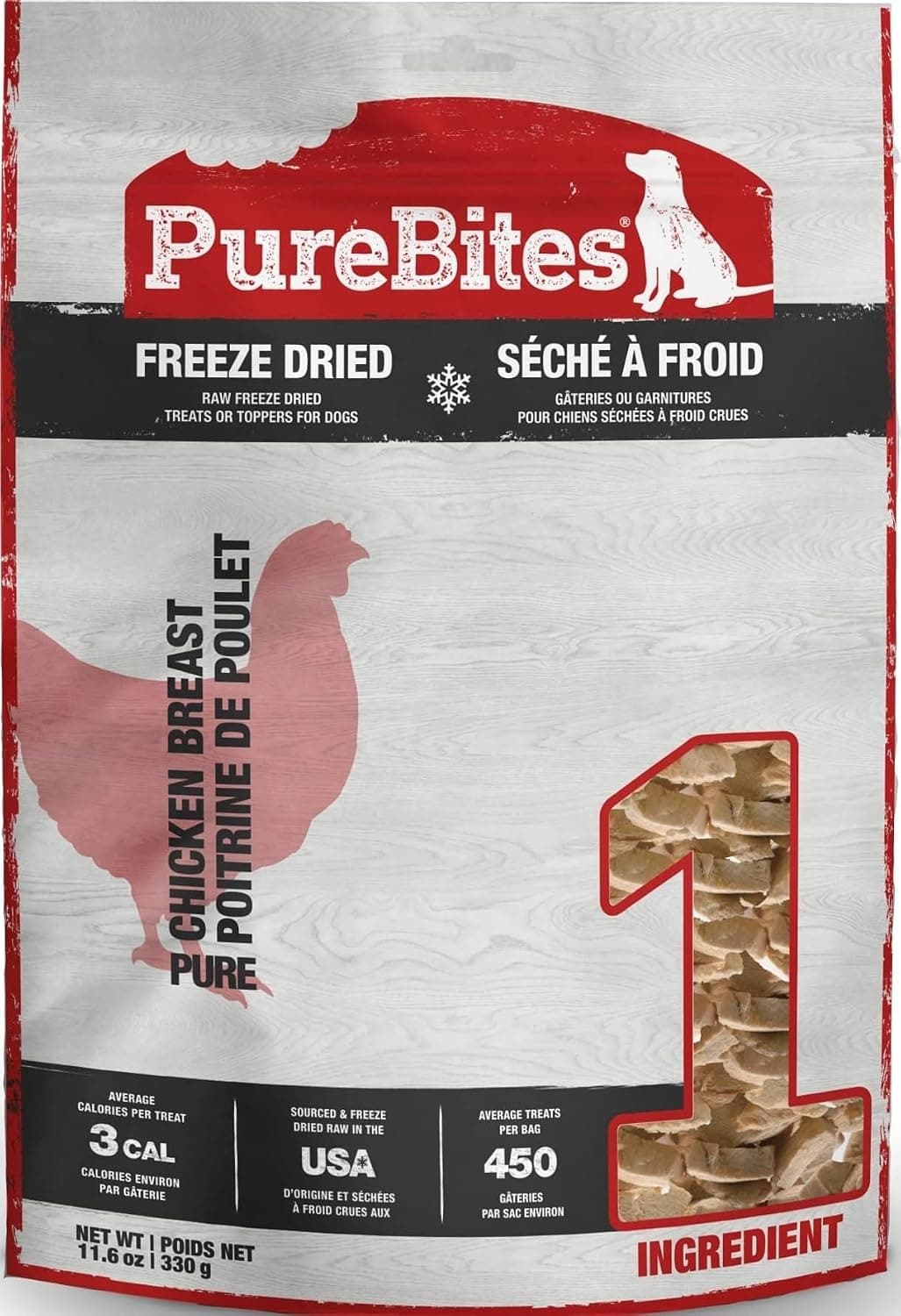
PureBites
🥇 Best Single-Ingredient Treat
Tradeoff: Nothing cleaner on the label, and you pay for the water they removed.
Best high-value training treat
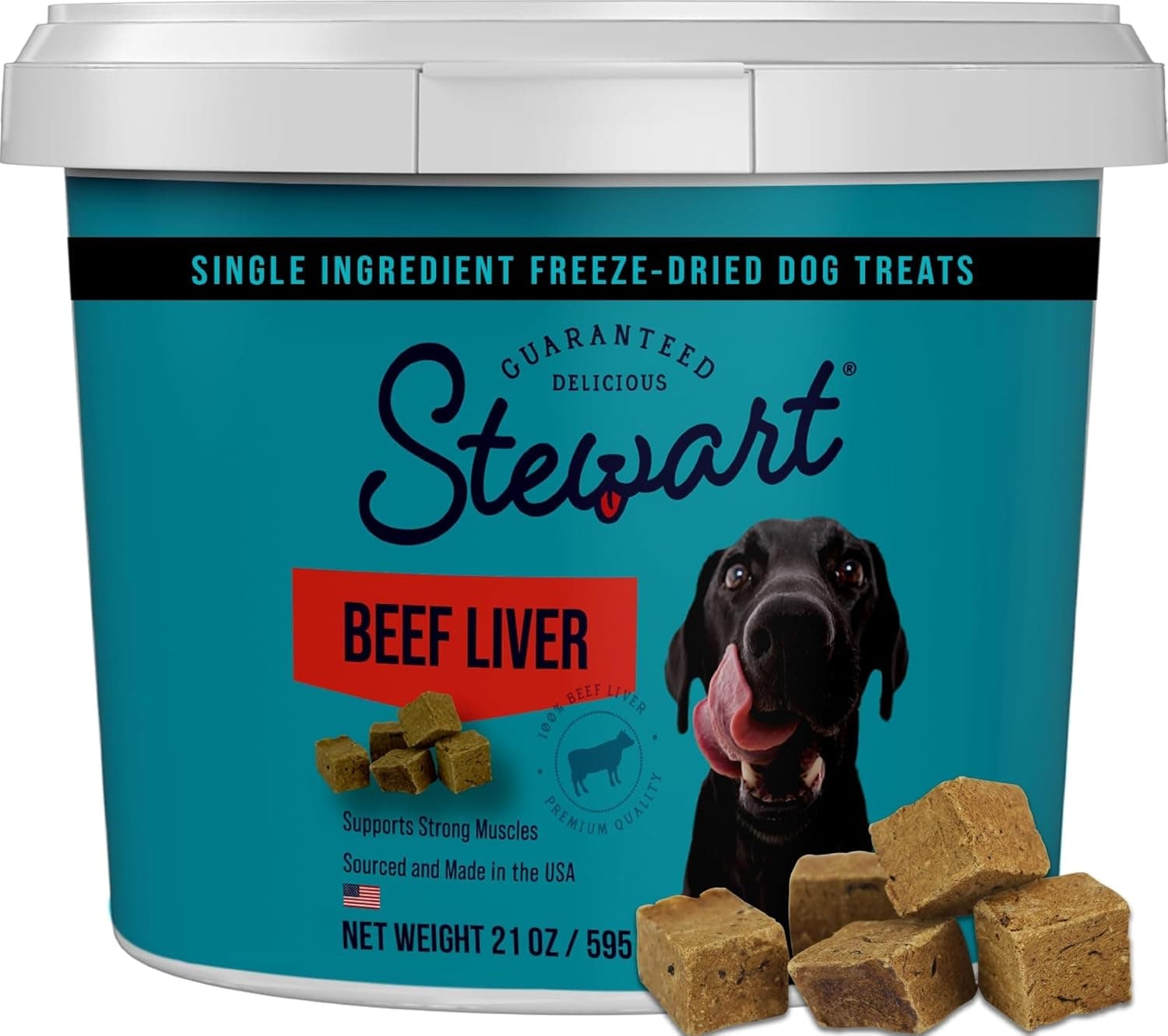
Stewart
⭐ Best High-Value Training Treat
Tradeoff: Save it for the hard recalls — daily liver in quantity means loose stools.
What to feed, how much, and which foods are actually worth buying — from kibble comparisons to what's safe to share from your plate. Most feeding questions come down to three numbers and one habit: the calories your dog needs for its weight and activity, the calories per cup in the specific bag you bought, the share of the day's total going to treats — and a hands-on body-condition check every few weeks, which catches gradual weight gain long before the scale conversation at the vet does. The feeding guideline printed on a bag is a starting point calculated for an average dog, not a prescription for yours; adjust from what you can see and feel over the ribs. Food changes belong on a gradual schedule rather than happening overnight. And the human-food question has genuinely dangerous answers as well as harmless ones — grapes, raisins, xylitol, onions, and chocolate are the ones worth memorizing before someone in the house shares a snack.
Start from the calories your dog needs for its weight and activity, then divide by the calories per cup printed on your specific bag — that number varies enormously between foods, which is why cup counts do not transfer between brands. Recheck the portion against a hands-on body-condition score every few weeks and adjust from what you feel, not from the chart.
Not by default. Grain allergies are uncommon in dogs, and the FDA has investigated a possible association between some grain-free diets and dilated cardiomyopathy without reaching a settled conclusion. Unless your vet has diagnosed a specific grain sensitivity, there is no general reason to pay for grain-free.
Mix the new food into the old over about a week, moving from roughly a quarter new, to half, to three quarters, to all of it. Slow down if stools loosen. Dogs with sensitive stomachs may need two weeks.
Grapes and raisins, xylitol (in sugar-free gum and some peanut butters), chocolate, onions and garlic, macadamia nuts, alcohol, and cooked bones that splinter. If your dog has eaten any of them, call your vet or an animal poison-control line immediately rather than waiting for symptoms.