Best for furniture hair removal

ChomChom
ChomChom Roller Reusable Pet Hair Remover
4.7
🛋️ Best for Furniture Hair Removal
Tradeoff: Brilliant on fabric, no use at all on hard floors.
The household hazards are boring and predictable, which is exactly why they are worth listing. Keep your vet's number, the nearest emergency clinic's number, and an animal poison-control line somewhere you can find them at two in the morning — the decisions in this section are all easier made before you need them.
20 guides on safety, grouped by what you're trying to work out.
What is dangerous, at what dose, and what to do in the first ten minutes.
Choking, bleeding, heatstroke, seizures, and what belongs in a dog first-aid kit.
Fences, doors, microchips, tags, GPS trackers, and what to do in the first hour of a lost dog.
Hot cars, pavement, winter salt, fireworks, and holiday hazards.
Dog parks, off-leash judgement, wildlife, water safety, and dog-to-dog conflict.
Researched picks from the categories this section covers.
Best for furniture hair removal
ChomChom
🛋️ Best for Furniture Hair Removal
Tradeoff: Brilliant on fabric, no use at all on hard floors.
Best for waste pickup

Earth Rated
🗑️ Best for Waste Pickup
Tradeoff: Refill rolls only — you'll need a dispenser you already own.
Best for pet accidents
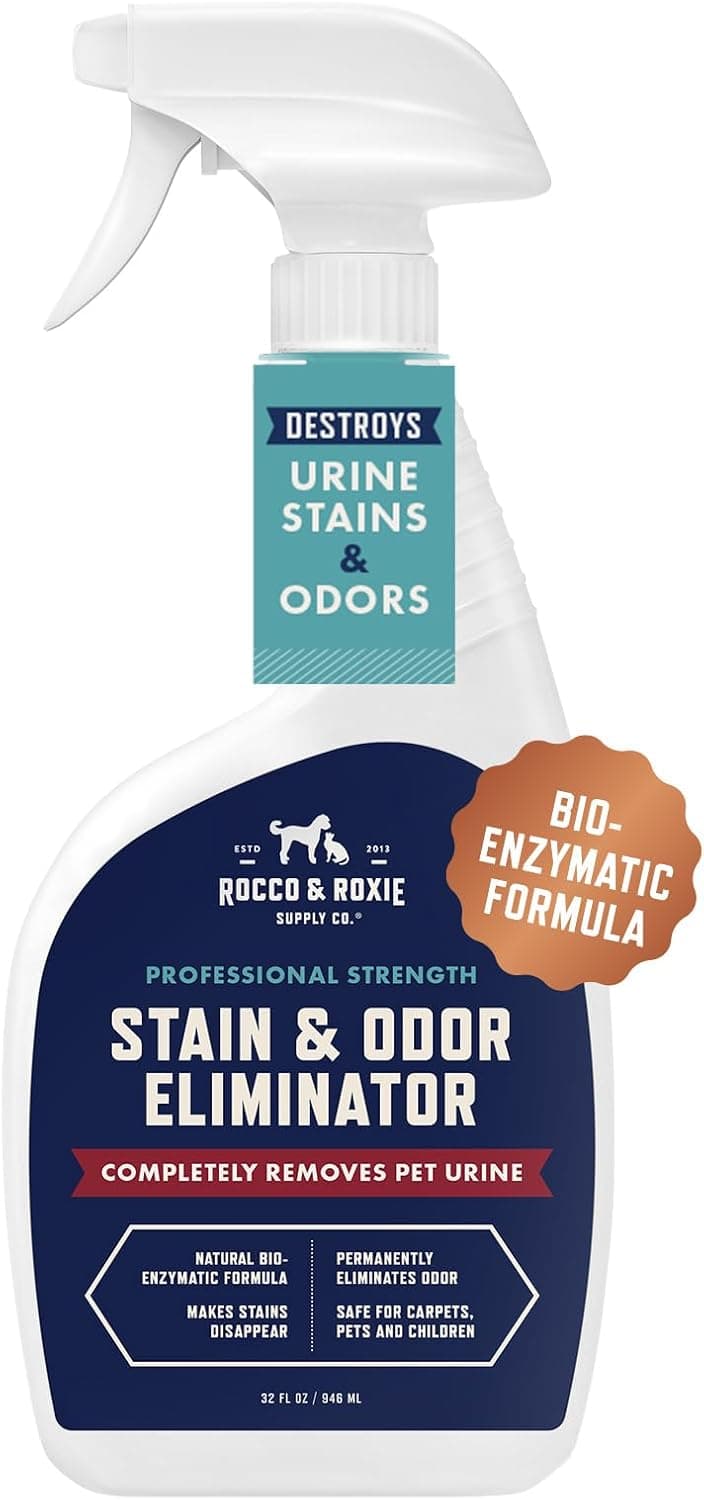
Rocco & Roxie
🧴 Best for Pet Accidents
Tradeoff: Needs dwell time to actually work.
Best for tough set-in stains
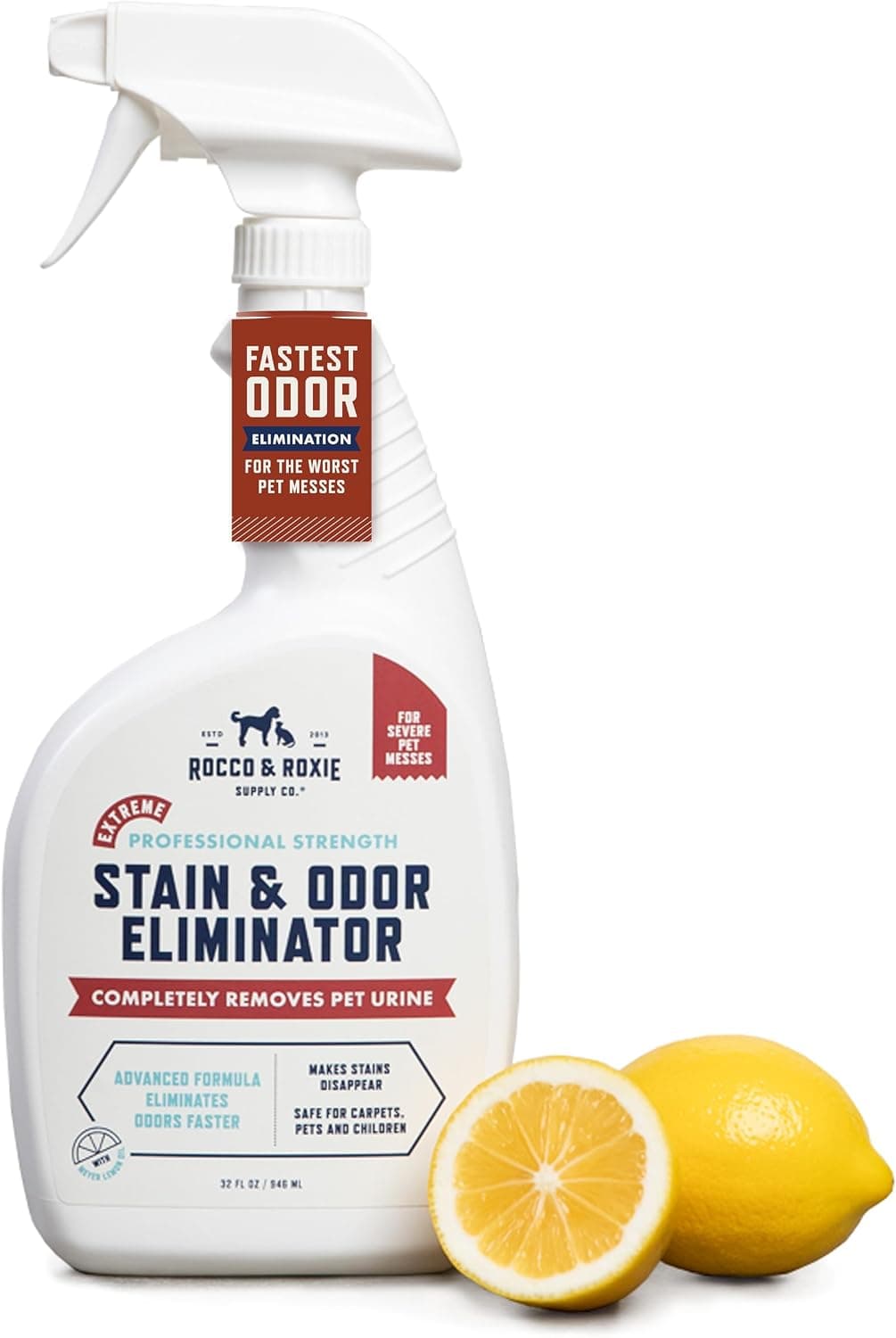
Rocco & Roxie
🧪 Best for Tough Stains
Tradeoff: More aggressive than the standard formula — spot-test before you soak a rug.
Best for muddy paws
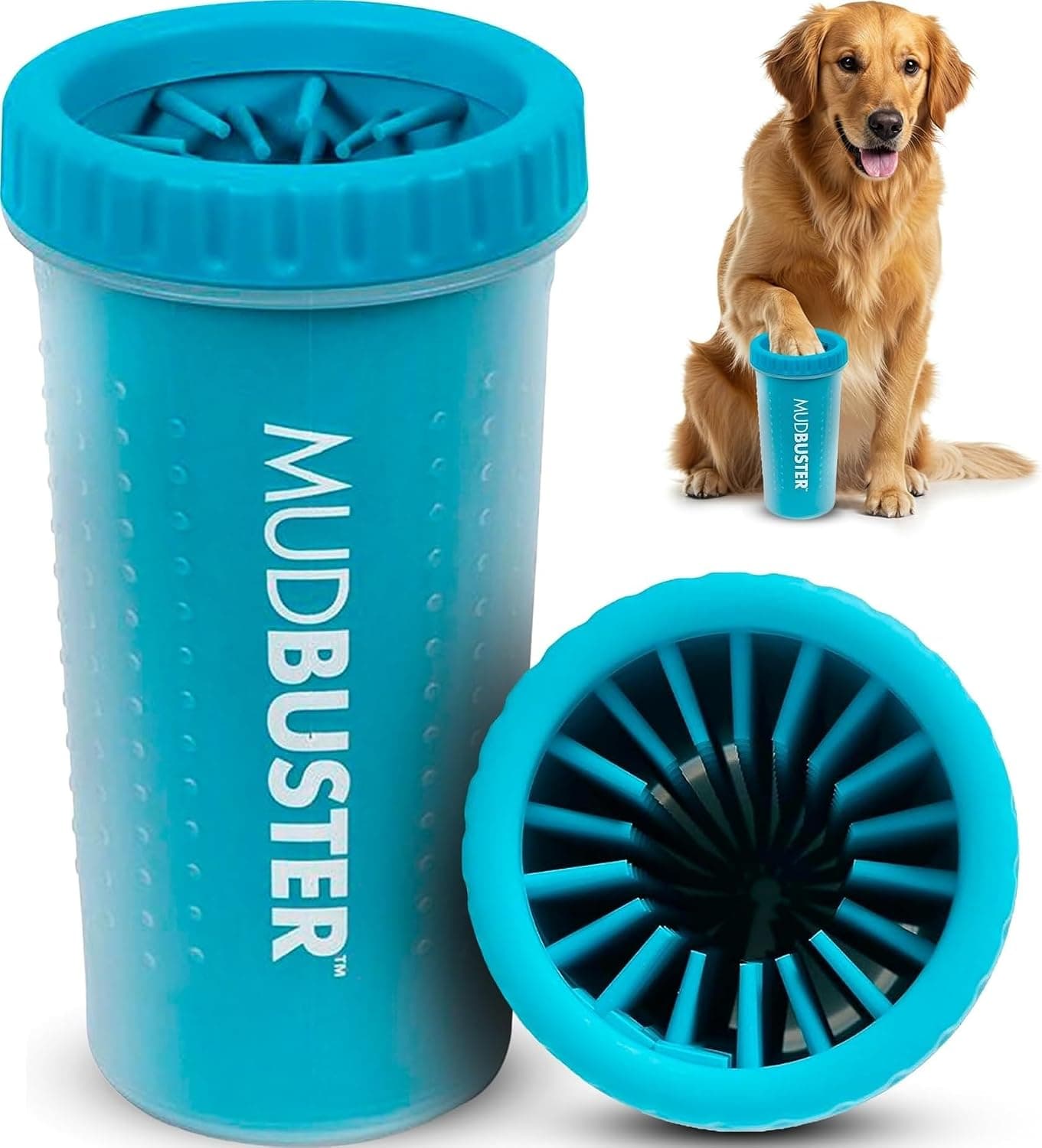
Dexas
🐾 Best for Muddy Paws
Tradeoff: Get the size right — and expect a few sessions before your dog accepts it.
Best for car interiors
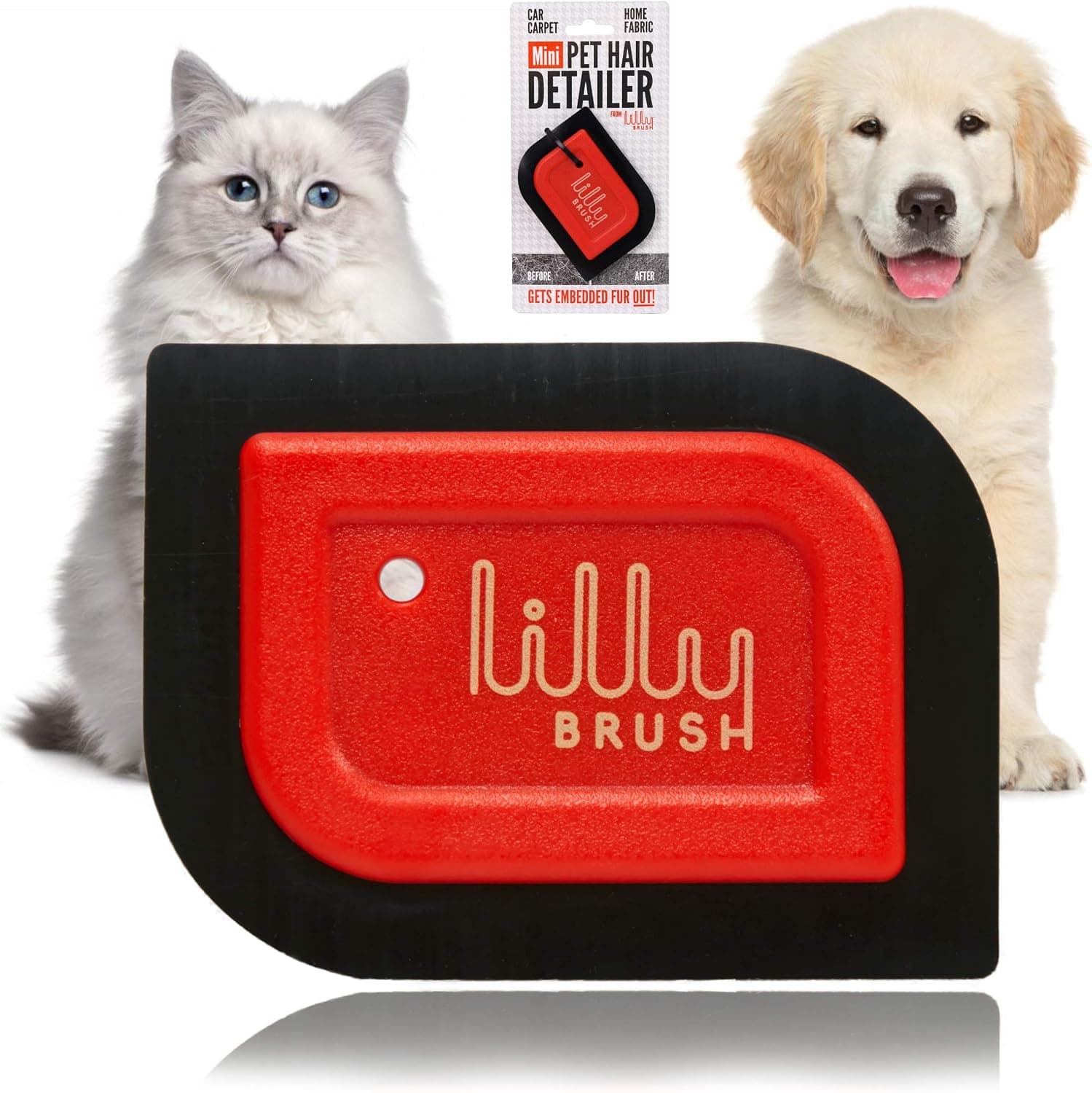
Lilly Brush
🚙 Best for Car Interiors
Tradeoff: Made for tight spaces — too small to be practical on a full sofa.
Toxic foods, escape-proofing, GPS trackers, and emergency readiness. The household hazards are boring and predictable, which is exactly why they are worth listing: chocolate, grapes and raisins, onions and garlic, xylitol in sugar-free gum and peanut butter, alcohol, macadamia nuts, cooked bones that splinter, human medication left on a counter, antifreeze, and a surprising number of common houseplants. Keep your vet's number and the nearest emergency clinic's number somewhere you can find them at two in the morning, along with an animal poison-control line. Escape-proofing is mostly about gaps and gates — dogs get out through a door a guest left open far more often than over a fence. A microchip that is actually registered to a phone number you still use is the highest-value safety item there is, and it costs almost nothing. Heat is the seasonal one: a parked car warms up fast, and pavement too hot for your hand is too hot for a paw.
Call your vet or an animal poison-control line straight away, before symptoms appear, with the product name, the amount, and the time. Do not induce vomiting unless a professional tells you to — for some substances, bringing it back up causes more damage than leaving it down.
Judge the ground, not the air. Press the back of your hand to the pavement for seven seconds; if you cannot hold it there, it will burn paw pads. On hot days move walks to early morning or late evening, shorten them, and take water. Flat-faced breeds and heavy-coated dogs overheat considerably faster.
Only if it is registered and the contact details are current — an unregistered chip is a number that leads nowhere, and this is the single most common failure. Pair it with a physical ID tag, which anyone can read immediately without a scanner and a database lookup.
Heavy frantic panting, bright red gums, thick drool, unsteadiness, vomiting, and collapse. Move the dog into shade, wet it with cool — not ice-cold — water, and get to a vet immediately. Heatstroke damages organs internally, so a dog that appears to recover still needs to be seen.