Best crate for most dogs
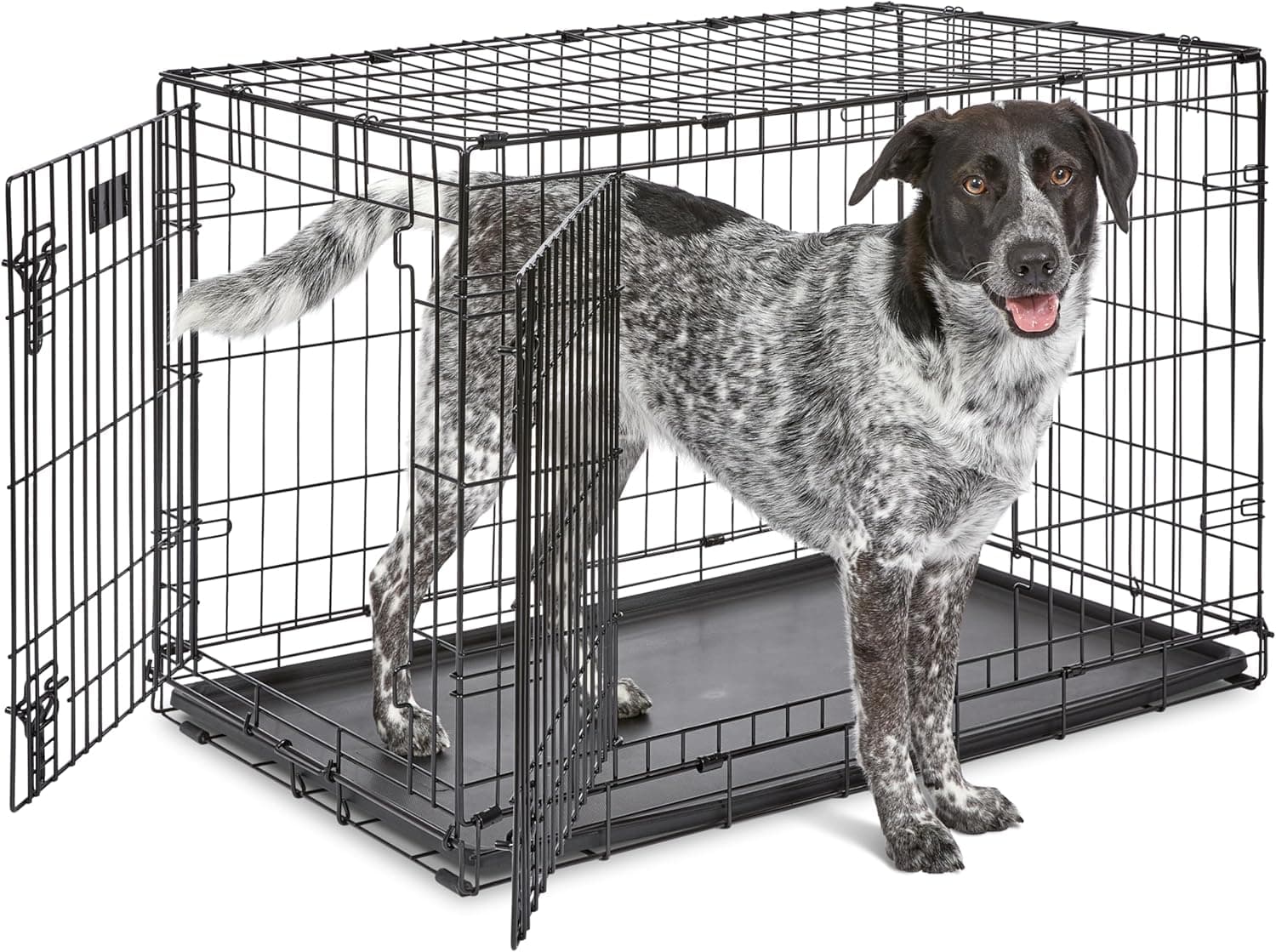
MidWest Homes for Pets
MidWest iCrate Double-Door Folding Dog Crate, 36"
4.6
🏆 Best Overall Crate
Tradeoff: Determined escape artists can bend the wire.
An unrestrained dog in a car is a hazard to itself and to everyone else in the vehicle. Beyond that, most travel trouble is preparation trouble: get the crate or carrier out well before travel day, so it is familiar rather than the thing that only appears before something stressful.
18 guides on travel, grouped by what you're trying to work out.
Harnesses, crates, barriers, car sickness, and the dog that hates the car.
In-cabin versus hold, carrier requirements, paperwork, and breed and season restrictions.
Planning stops, packing lists, dog-friendly hotels and rentals, and camping.
Crate conditioning, short practice trips, vet records, and anxiety.
Kennels, sitters, daycare, and what to hand over to whoever is looking after your dog.
Researched picks from the categories this section covers.
Best crate for most dogs
MidWest Homes for Pets
🏆 Best Overall Crate
Tradeoff: Determined escape artists can bend the wire.
Best crate for medium breeds
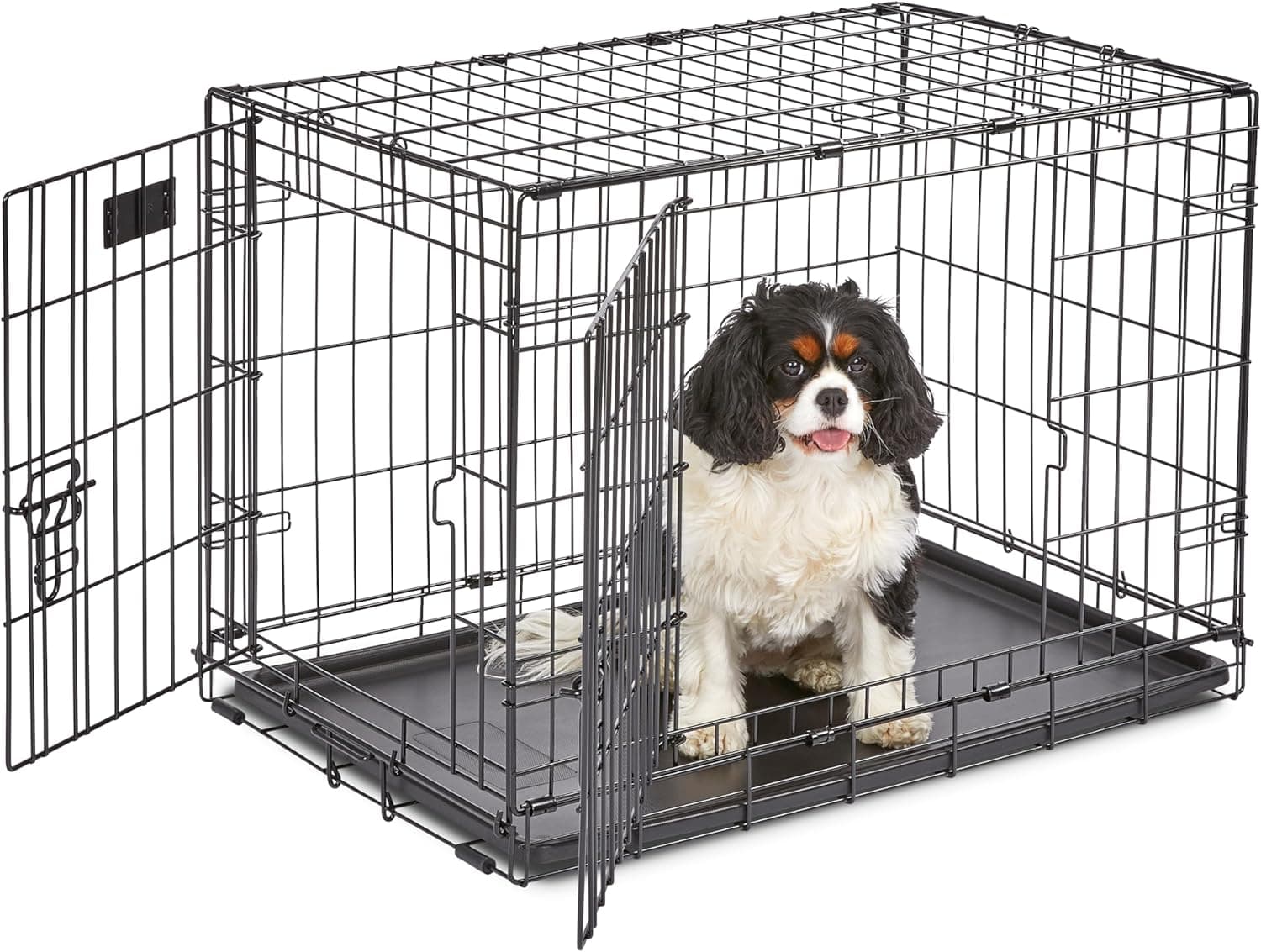
MidWest Homes for Pets
🐕 Best Crate for Medium Breeds
Tradeoff: Get the weight range right — this one caps out around 40 lb.
Best crate for large breeds
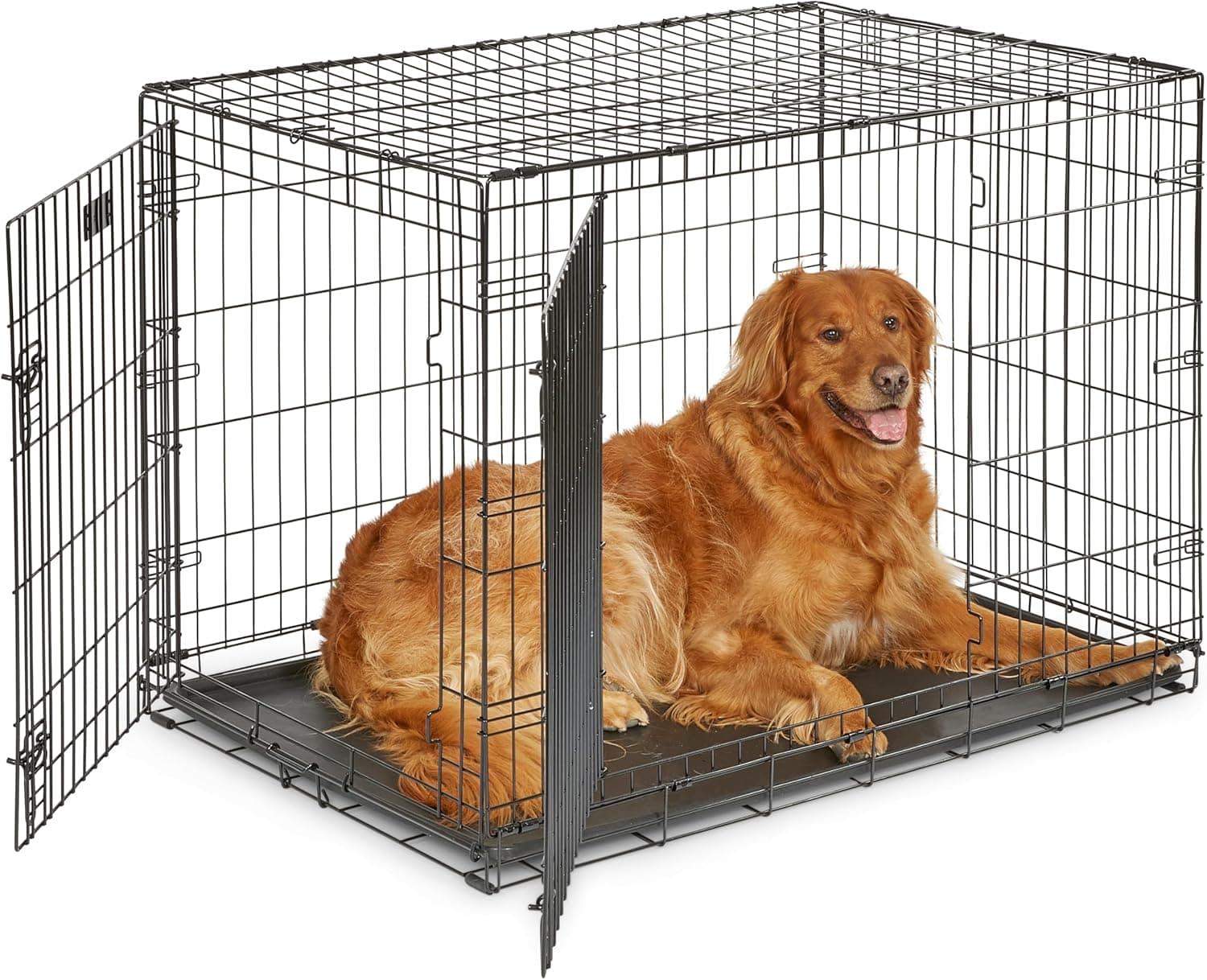
MidWest Homes for Pets
📏 Best Crate for Large Breeds
Tradeoff: Costs about double the 36", and it is a two-person job to move assembled.
Best for air travel
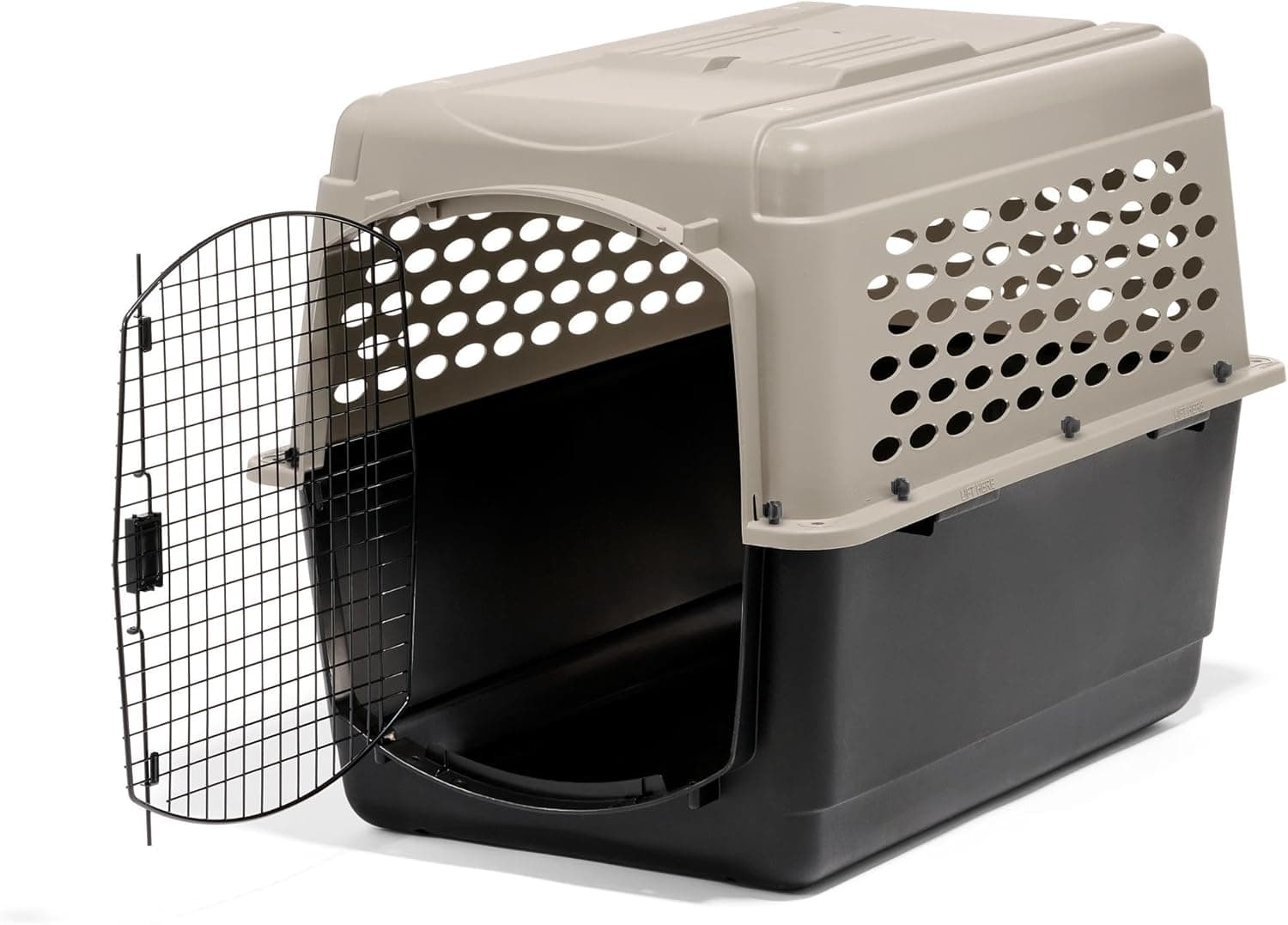
Petmate
✈️ Best for Air Travel
Tradeoff: Airline-shaped, but confirm your carrier's current rules — plastic fasteners are a common sticking point.
Best starter bowls
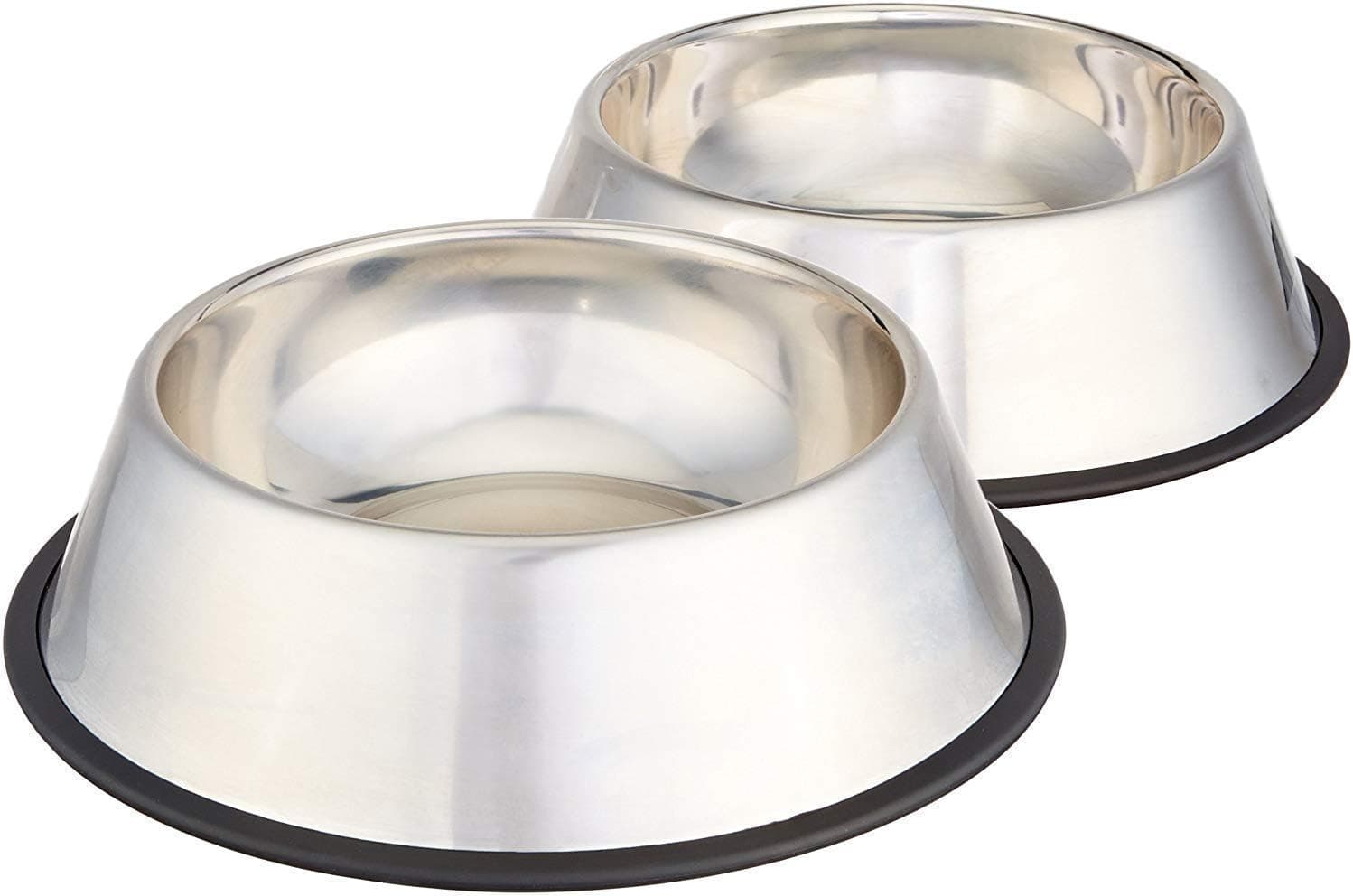
Amazon Basics
Stainless is the vet-default: dishwasher-safe, chew-proof, and doesn't harbor bacteria like scratched plastic. This non-skid 2-pack costs less than lunch.
Tradeoff: Basic looks — it's a steel bowl.
Best soft travel crate
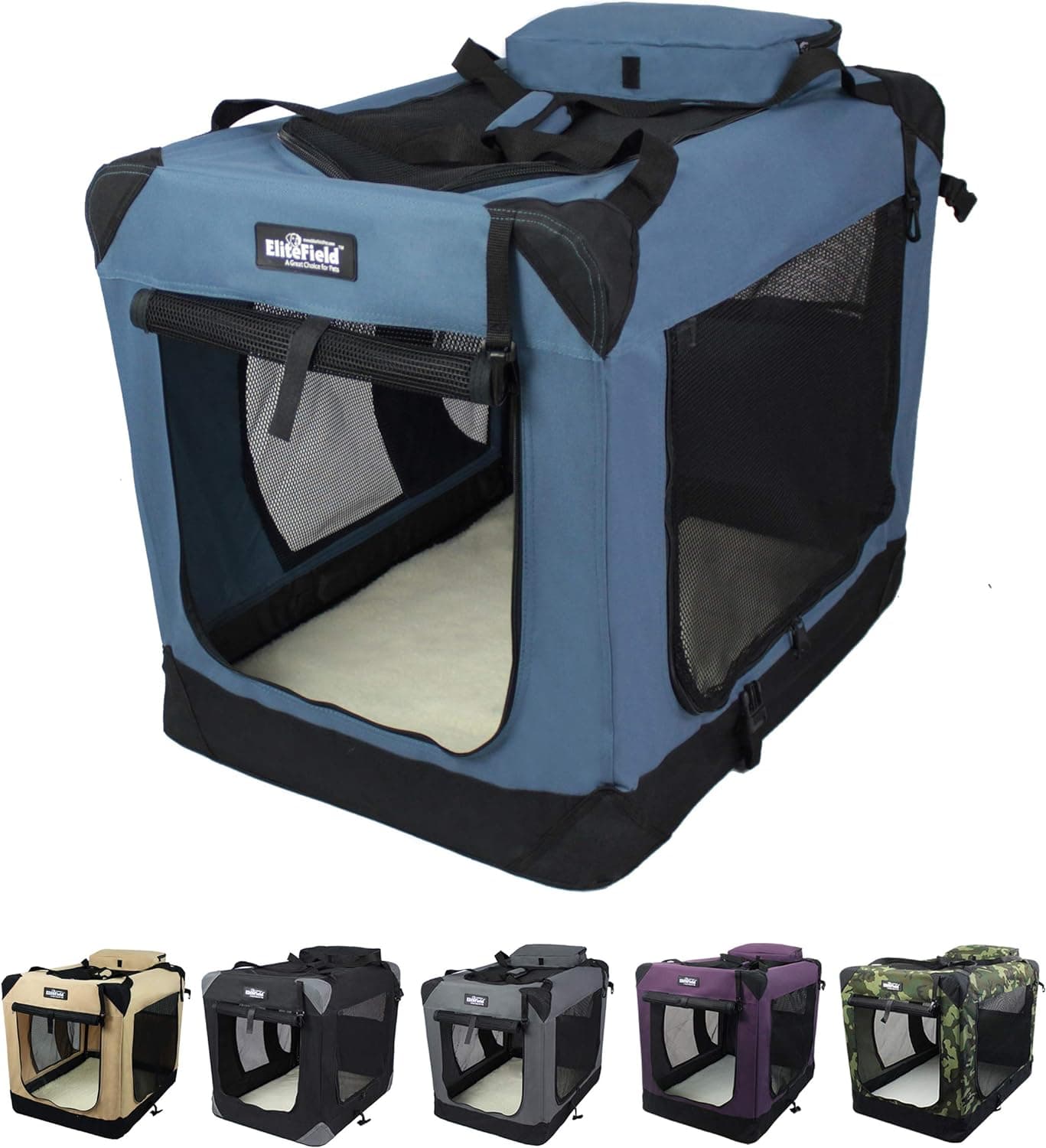
EliteField
🧳 Best for Travel
Tradeoff: Fabric — not for chewers or escape artists.
Car restraints, airline rules, and road-trip logistics with a dog. An unrestrained dog in a car is a hazard to itself and to everyone else in the vehicle, and a harness clipped to a seatbelt is the low-effort baseline; a secured crate is sturdier if you have the space for one. Note that crash-test standards for pet restraints are voluntary rather than regulated, so claims in this category vary in what they are worth. Airlines set their own rules and change them, and those rules differ by cabin versus hold, by carrier dimensions, by breed, and by season — check the specific airline for the specific flight rather than trusting any general guide, this one included. For road trips, plan stops more often than you would for yourself, never leave a dog in a parked car in warm weather, and bring water your dog is used to. Get the crate or carrier out well before travel day, so it is familiar rather than a thing that only appears before something stressful.
Restrained, in the back. A crash-tested harness clipped to a seatbelt or a securely anchored crate both work; loose in the cabin and unrestrained in a truck bed do not. Note that pet restraint testing is voluntary rather than regulated, so look for a manufacturer that publishes its actual test results.
Usually only if the dog plus its carrier fits under the seat in front, which in practice means small dogs. Every airline sets its own dimensions, fees, breed restrictions and seasonal embargoes, and they change — confirm with the airline you are booked on rather than relying on a general guide.
Roughly every two to three hours for a toilet break, water and a short leg-stretch, and more often for puppies and seniors. Keep the leash on before the door opens at every stop — an excited dog bolting into a service station car park is the classic road-trip incident.
Boarding suits sociable dogs that cope well with noise and other dogs, and it has staff on site. A sitter in your own home suits anxious dogs, seniors, and anyone on medication, because nothing about the routine changes. Whichever you choose, hand over your vet's details, written feeding and medication instructions, and a spending limit you have agreed in advance.