Best single-ingredient treat
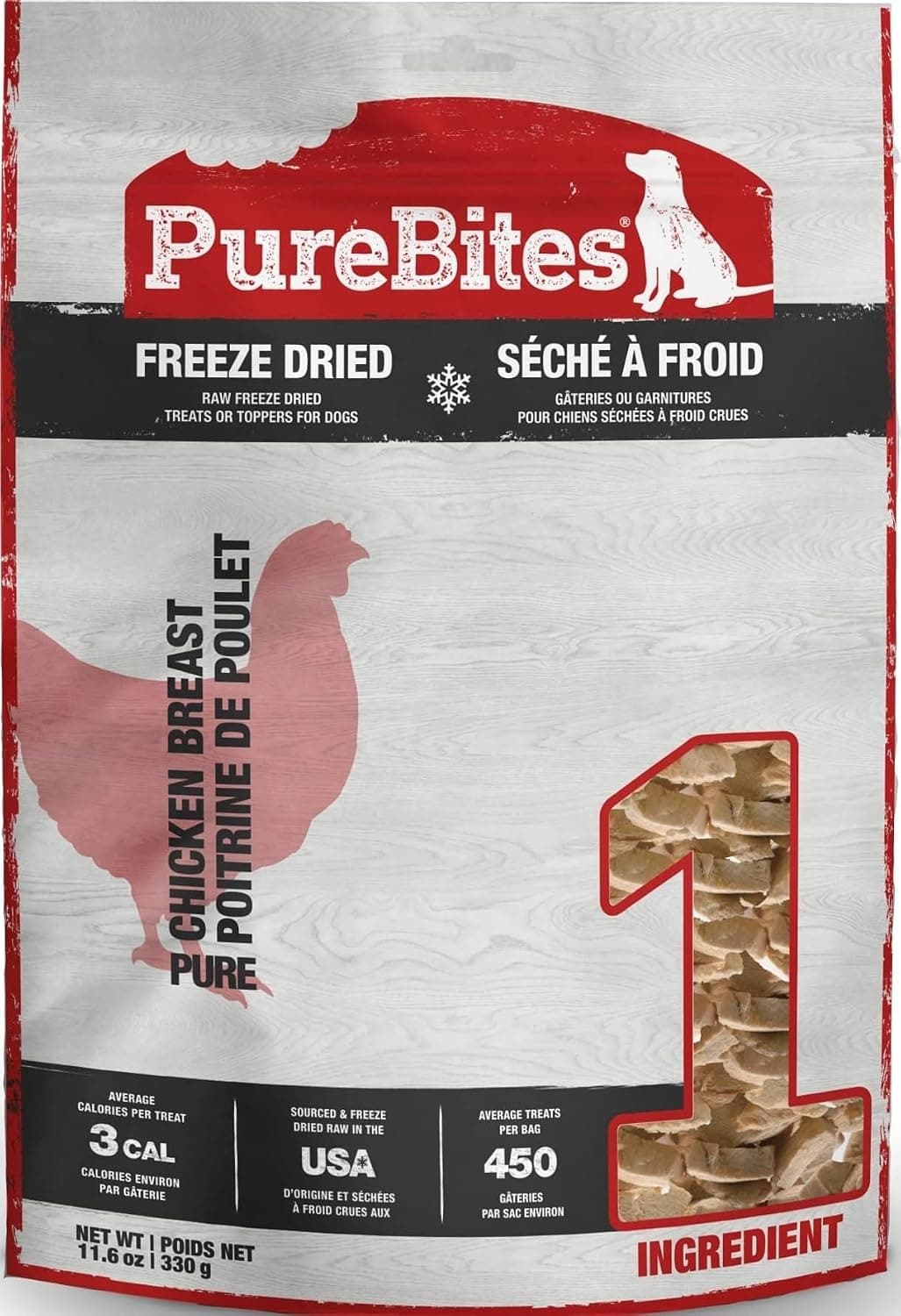
PureBites
PureBites Chicken Freeze-Dried Dog Treats (11.6 oz)
4.6
🥇 Best Single-Ingredient Treat
Tradeoff: Nothing cleaner on the label, and you pay for the water they removed.
Most training problems are timing problems. Reinforcement has to land within a second or two of the behavior for a dog to connect the two, which is why a marker word is worth more than any gadget. Punishment delivered after the fact teaches a dog that you are unpredictable, not that the shoe was off-limits.
19 guides on training & behavior, grouped by what you're trying to work out.
Schedules, accidents, night-time, apartments, and the older dog that was never fully trained.
Introducing a crate, night one, crying, and how long is too long.
Sit, stay, recall, and loose-leash walking — taught in the order that makes each one easier.
Barking, pulling, jumping, chewing, digging, and separation anxiety.
Body language, play signals, and the behaviors owners most often read backwards.
Researched picks from the categories this section covers.
Best single-ingredient treat
PureBites
🥇 Best Single-Ingredient Treat
Tradeoff: Nothing cleaner on the label, and you pay for the water they removed.
Best high-value training treat
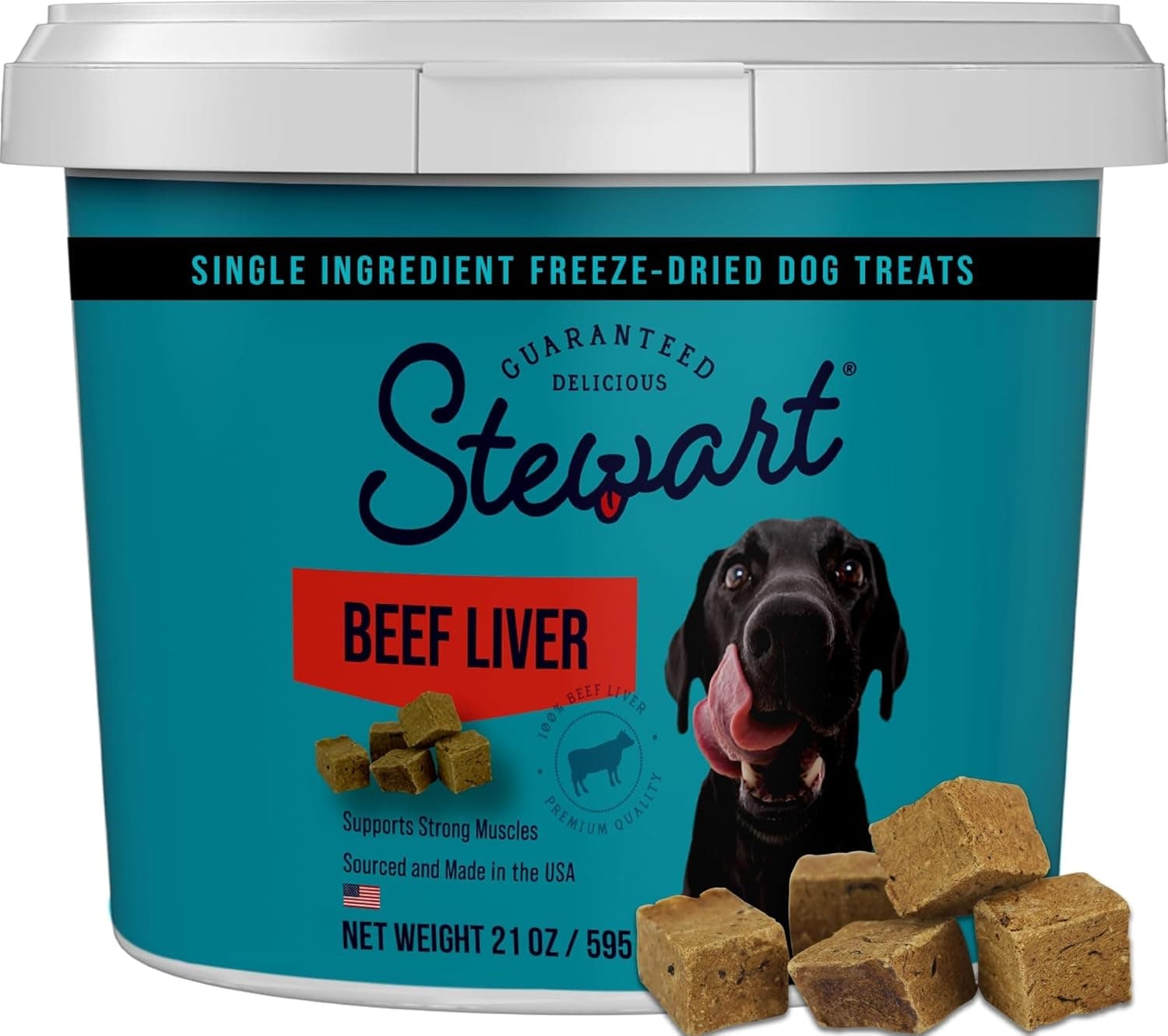
Stewart
⭐ Best High-Value Training Treat
Tradeoff: Save it for the hard recalls — daily liver in quantity means loose stools.
Best for puppies
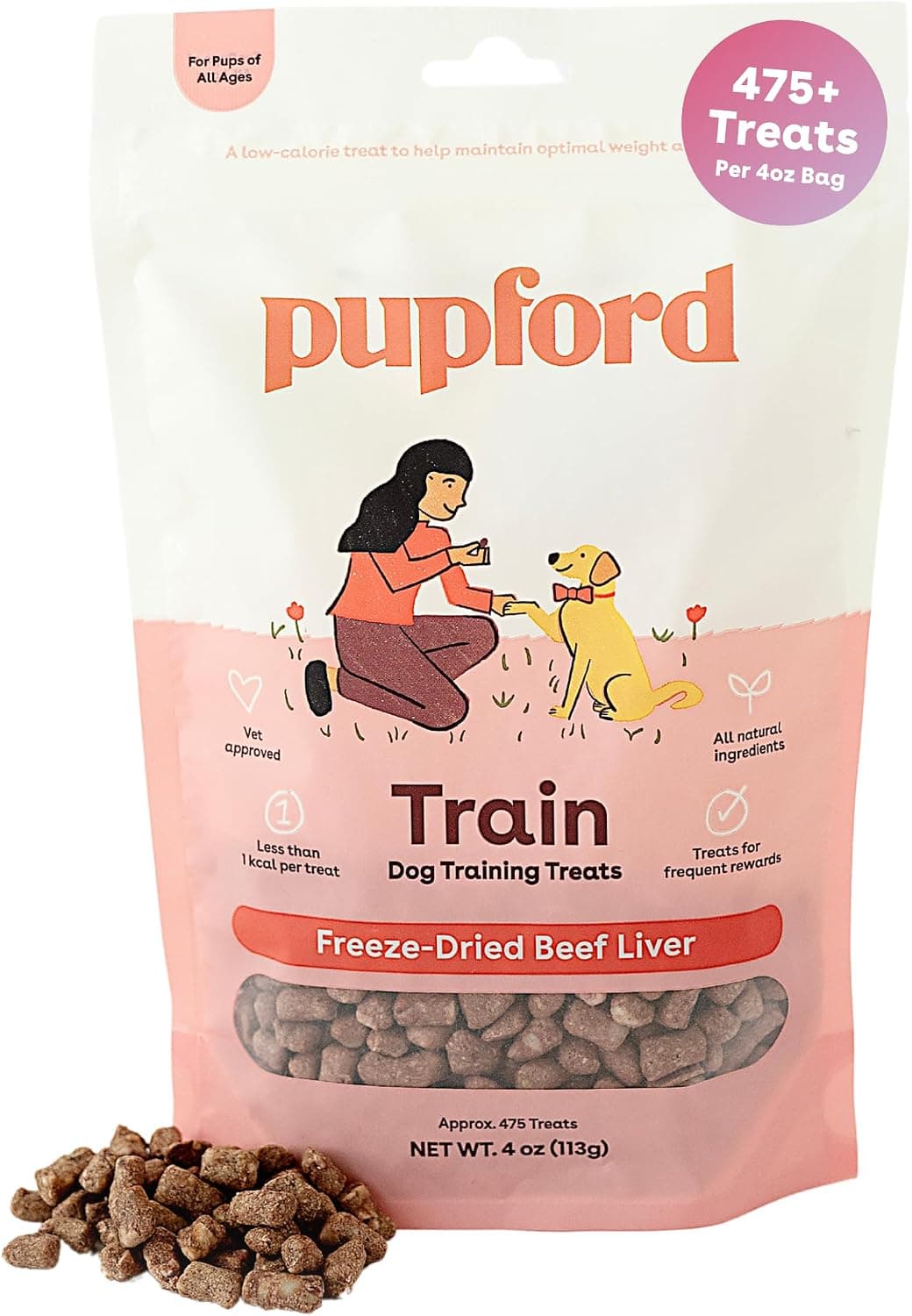
Pupford
🐶 Best for Puppies
Tradeoff: Perfectly sized for puppy reps, and a 4 oz bag goes quickly at that rate.
Best crate for most dogs
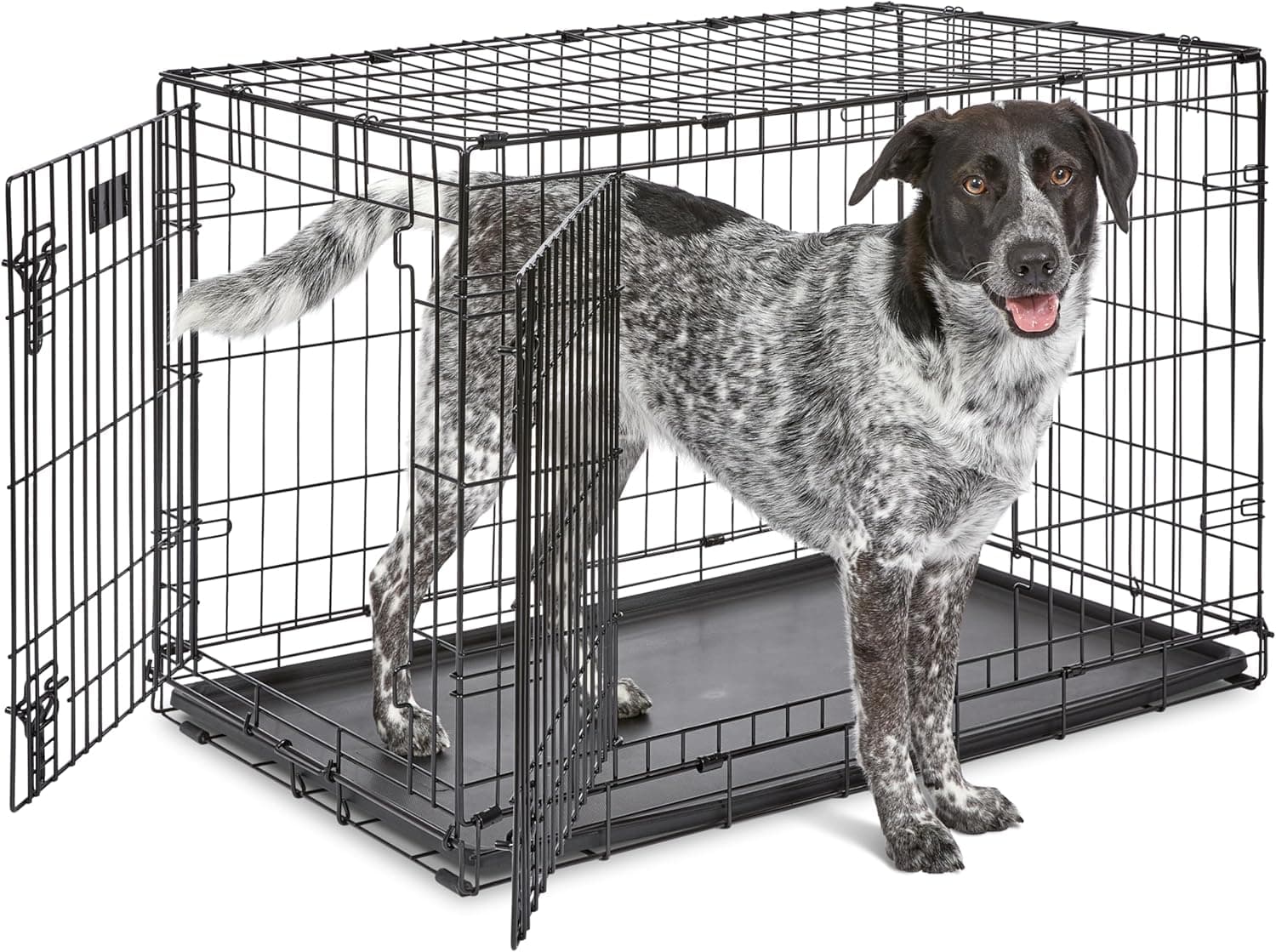
MidWest Homes for Pets
🏆 Best Overall Crate
Tradeoff: Determined escape artists can bend the wire.
Best for dental health
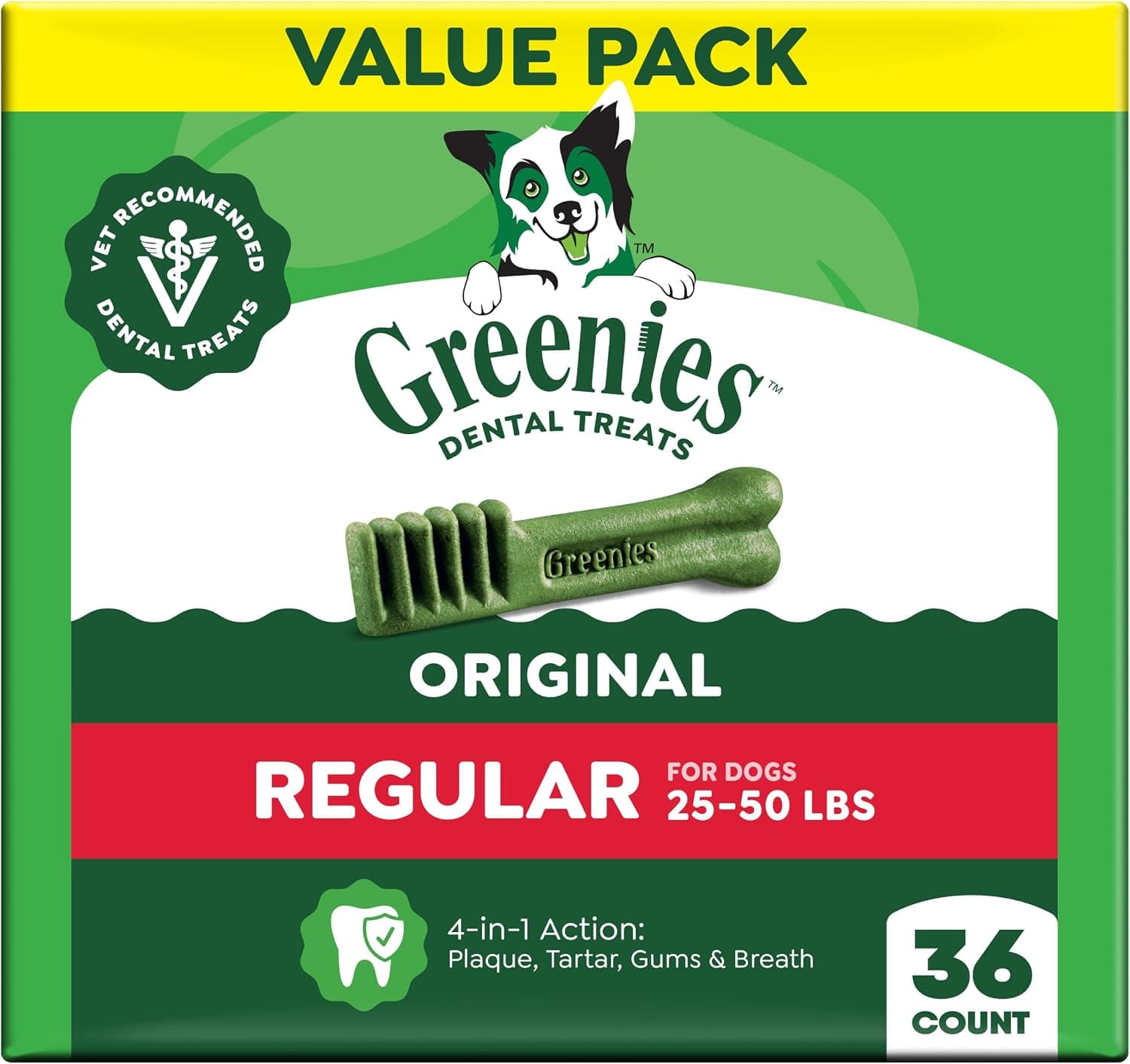
Greenies
🦷 Best for Dental Health
Tradeoff: Real dental benefit, at roughly 90 calories and a dollar a chew.
Best human-grade ingredients

Full Moon
🌾 Best Human-Grade Ingredients
Tradeoff: The cleanest sourcing standard here, at a price that reflects it.
House training, crate training, and understanding why your dog does that — with the gear that actually helps. Most training problems are timing problems. Reinforcement has to land within a second or two of the behavior for a dog to connect the two, which is why a marker word or a clicker is worth more than any gadget. Punishment delivered after the fact teaches a dog that you are unpredictable, not that the shoe was off-limits. House training runs on schedule and supervision rather than correction: out after waking, after eating, after play, and reward outside where the behavior happened rather than back indoors afterwards. Crates work when they are introduced as a good place, with food and quiet, and fail when used as punishment. Chewing, digging, barking, and counter-surfing are normal behaviors happening in inconvenient places — the fix is management plus an acceptable outlet, not suppression. A sudden behavior change in an adult dog can be medical, so rule out pain before assuming stubbornness.
Most puppies are reliable indoors somewhere between four and six months old, and full bladder control arrives later than good habits do. Progress tracks supervision more than age: a puppy that is never given the chance to make a mistake indoors learns faster than one left loose in the house between outings.
Not when the crate is introduced properly and the hours are reasonable. Most dogs will choose a crate to sleep in once it reliably means quiet and food. It becomes cruel when it is used as punishment, or when it is used to store a dog for most of the day.
Stop moving when the leash goes tight and move again when it slackens, so pulling never once succeeds in getting your dog closer to what it wants. A front-clip harness makes this practical while you teach it, by turning forward pressure into a redirect. It is slow at first and it is the version that lasts.
In an adult dog with no history of it, consider pain first — arthritis, dental pain, and ear infections all show up as irritability, reluctance, or house soiling before they show up as a limp. After medical causes, look at what changed in the household schedule, and at whether exercise has quietly dropped off.